

Belt splice press machine
Reliable belt joining is critical wherever conveyor systems run continuously and unplanned downtime is expensive. In food processing, logistics, packaging, and general industrial handling, a consistent splice helps maintain belt tracking, product flow, and overall line stability. Choosing the right Belt splice press machine is therefore not only a maintenance decision, but also a production efficiency decision.
This category focuses on press machines used for belt splicing with controlled heat, pressure, and working dimensions suited to different belt widths and plant requirements. Whether the application involves PVC belts or wider conveyor belts that require water-cooled pressing, the available range supports both compact setups and larger-format joining tasks.
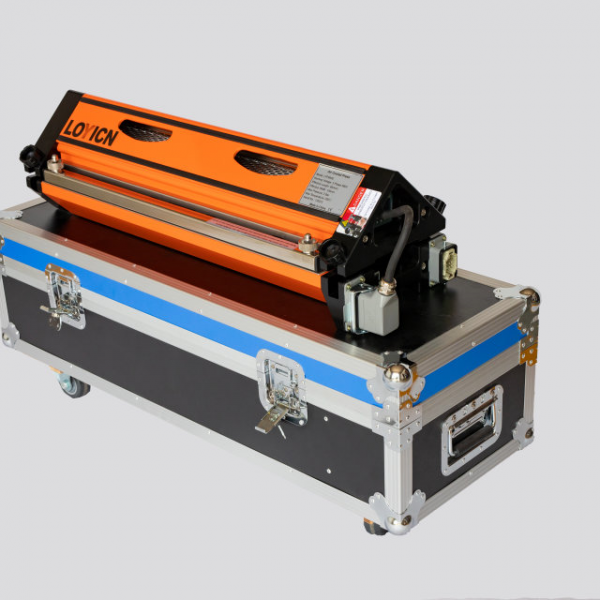
Where belt splice press machines fit in industrial production
Conveyor belts are part of a much broader material handling and packaging environment, so splice quality directly affects upstream and downstream equipment performance. A weak or uneven joint can lead to mistracking, inconsistent transport, or unexpected stops that disrupt the entire line. For operations that also use equipment such as a carton sealer or automated packing stations, belt reliability becomes even more important.
Press machines in this category are designed to apply a controlled combination of heat and pressure during the splicing process. This helps create a more uniform joint and supports repeatable maintenance work, especially in facilities where belts must be serviced regularly to keep production schedules on track.
Typical machine range in this category
The product selection shown here is centered on Loyicn belt splice press solutions. The lineup includes water-cooled splice press machines across multiple sizes, from more compact models such as the Loyicn LYPB600 and Loyicn LYPB900 to larger units like the Loyicn LYPB3200 and Loyicn LYPB4200 for wider belt applications.
The category also includes PVC belt splice press models such as the Loyicn LYPA2100-B, LYPA2200-B, and LYPA2400-B. These machines illustrate that belt splicing requirements can vary significantly depending on belt material, working width, and the pressure and temperature profile needed for the joining process.
How to choose the right machine
The first point to check is belt width compatibility. The suggested belt width and effective heating area should match the actual belt dimensions used in your process. A machine that is too small may not provide proper coverage across the splice area, while an oversized unit may add unnecessary footprint and handling effort.
The second factor is temperature and pressure capability. In this category, several water-cooled models operate up to 7 Bar and around 200 to 210°C, while the listed PVC belt splice press machines are shown with a different pressure profile. These differences matter because the splicing method must align with the belt construction and the maintenance procedure used on site.
It is also worth considering machine dimensions and net weight in relation to the maintenance environment. Some plants need a press that can be used in tighter access areas, while others prioritize coverage for wider belts and accept a larger machine body as part of planned maintenance work.
Understanding water-cooled and PVC belt splice press options
Water-cooled splice press machines are commonly selected where stable thermal control and wider belt handling are required. Models such as the Loyicn LYPB1100, LYPB1600, LYPB2100, and LYPB2600 show how the range scales with heating area, power, and overall machine size. This makes it easier to align the press with actual production belt widths instead of forcing one machine to fit every job.
PVC belt splice press machines in the LYPA-B series address another common requirement in conveyor maintenance. For lines using PVC belts, matching the press type to the belt material can help support a cleaner and more consistent splice process. In practical terms, this can be especially relevant in packaging and product transfer applications where belt surface condition and joint quality affect daily operation.
Selection logic for maintenance teams and OEM buyers
For maintenance teams, the key question is often how quickly and consistently a belt can be returned to service. A press machine with suitable heating area, workable dimensions, and appropriate pressure capability can simplify scheduled repairs and reduce variability between technicians. This is especially useful in production environments that rely on repeatable line performance.
For OEMs, integrators, and industrial buyers, selection usually extends beyond the splice itself. The press should fit into the wider machine ecosystem, including conveyor layout, service access, and the rest of the packaging line. In lines that also include a labeling machine or a case packer, dependable belt joining helps protect throughput across multiple stages of the process.
Examples from the available product range
For narrower belt applications, the Loyicn LYPB600 and LYPB900 offer a more compact starting point, with lower machine weight and smaller dimensions that may be easier to handle in constrained maintenance spaces. Moving upward, the Loyicn LYPB1300 and LYPB1600 cover intermediate requirements where broader heating area and increased capacity are needed.
For larger conveyor widths, the Loyicn LYPB2100, LYPB2600, LYPB3200, and LYPB4200 represent higher-capacity options within the water-cooled series. On the PVC side, the Loyicn LYPA2100-B, LYPA2200-B, and LYPA2400-B highlight options for wider-format splicing tasks where the belt type and application call for that machine format.
What matters beyond headline specifications
While power, pressure, and maximum temperature are important, day-to-day usability should not be overlooked. Maintenance teams often benefit from choosing a machine that balances handling weight, setup practicality, and coverage of the actual splice area. A technically capable press is most useful when it also fits the service workflow on the factory floor.
It is also helpful to think in terms of process consistency rather than isolated machine data. When the press is properly matched to belt type and width, the result is typically a more predictable splice process, less rework, and smoother reintegration of the conveyor into production.
Conclusion
This category brings together belt splice press machines for a range of conveyor maintenance and belt joining needs, from compact water-cooled models to larger PVC belt splice press equipment. The most suitable choice depends on belt width, heating area, pressure and temperature requirements, and the working conditions in your plant.
If you are comparing options, start with the actual belt dimensions and splice method used in your operation, then narrow the selection based on machine format and operating range. That approach makes it easier to identify a press machine that supports stable maintenance work and dependable conveyor performance over time.
-
-
-
-
-
-
-
-
-
-
-
-
-
-
-
-
-
-
-
-
-
-
-
-