

Conductivity TDS Sensors, Online Controller Inspection Service
Stable water quality monitoring depends on more than installing a sensor and controller. In continuous process environments, conductivity and TDS instruments are exposed to fouling, drift, wiring issues, controller setup errors, and application conditions that can gradually affect measurement reliability. This is why Conductivity TDS Sensors, Online Controller Inspection Service is an important part of maintaining dependable online analysis in treatment systems, industrial water loops, utilities, and process control applications.
This category focuses on inspection services for conductivity and TDS sensors used with online controllers. The goal is to help users verify measurement performance, identify installation or signal problems, and keep monitoring systems aligned with real operating conditions. Whether the system is used for general water quality control or part of a broader analytical setup, periodic inspection supports better process visibility and more confident maintenance planning.
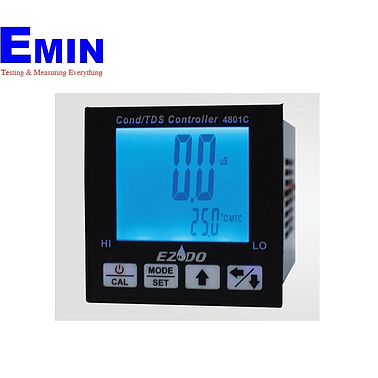
Why conductivity and TDS inspection matters in online systems
Conductivity measurement is widely used to track ionic concentration in water and process liquids, while TDS is often interpreted from conductivity values for practical monitoring and control. In online installations, these measurements are expected to remain stable over time, but field conditions can influence both sensor response and controller interpretation.
Inspection service helps detect common issues before they become process problems. These may include sensor contamination, scaling, unstable readings, response lag, cable or connector faults, and mismatched controller settings. In many facilities, inspection is also useful after maintenance shutdowns, sensor replacement, or unexpected changes in water chemistry.
What this inspection service typically helps evaluate
For a conductivity or TDS measurement loop, performance depends on the sensor, the online controller, the installation point, and the surrounding operating environment. A proper inspection reviews the system as a whole rather than looking at only one device in isolation. This is especially important in continuous monitoring where a small measurement error can influence alarms, dosing logic, trending, or reporting.
Typical inspection objectives include verifying signal stability, checking whether the sensor is still suitable for the process medium, reviewing controller communication and display behavior, and identifying signs of wear or contamination. For plants using multiple water quality parameters, this service can also be considered alongside related categories such as chlorine sensor inspection service when a broader analytical chain needs attention.
Applications where conductivity and TDS monitoring is commonly used
Online conductivity and TDS instruments are often found in water treatment, filtration skids, RO systems, boiler and cooling water circuits, chemical dosing lines, rinse processes, and general utility monitoring. In these environments, users rely on continuous measurement to detect water quality changes quickly and to keep process conditions within target ranges.
Inspection becomes especially valuable in applications where process interruptions are costly or where water quality affects downstream equipment. A stable measuring point supports better troubleshooting and reduces the risk of making process decisions based on inaccurate data. For facilities that monitor several analytical parameters in parallel, it may also be helpful to review related services such as free ion sensor inspection depending on the overall treatment or production setup.
Supported brands and example service scope
This category includes inspection support for systems from recognized manufacturers such as HACH, HORIBA, Eutech, HANNA, HM Digital, WTW, EZDO, GLobal Water, Meinsberg, and SENSOREX. Brand coverage matters because controller architecture, sensor interface, and service workflow can vary between product families even when the measured parameter is the same.
Representative product listings in this category include HACH Controller Sensors Conductivity EC/TDS Online Inspection Service, HORIBA Controller Sensors Conductivity EC/TDS Online Inspection Service, Eutech Controller Sensors Conductivity EC/TDS Online Inspection Service, and HANNA Controller Sensors Conductivity EC/TDS Online Inspection Service. These examples show that the category is intended for online analytical systems where both the sensing element and the controller need to be considered during inspection.
How to choose the right inspection service for your setup
When selecting a service option, start with the actual measurement point and operating condition. The most useful information usually includes the measured medium, installation environment, controller model family, symptom observed, and whether the problem is related to drift, communication, display behavior, or process mismatch. Clear application context helps determine the most appropriate inspection path.
It is also useful to distinguish between a routine condition check and a fault-focused inspection. A routine inspection may be intended to confirm normal operation and catch early signs of degradation, while a fault-oriented request is often triggered by unstable values, implausible TDS trends, repeated alarms, or maintenance concerns after prolonged operation. If the system is part of a wider suspended solids monitoring setup, users may also compare requirements with SS and MLSS sensor inspection services.
Benefits of periodic inspection for maintenance and process control
Regular inspection supports measurement reliability and makes preventive maintenance more practical. Instead of waiting for obvious failure, maintenance teams can identify early signs of sensor fouling, installation stress, or controller issues that may gradually degrade data quality. This approach is especially useful for systems tied to water treatment efficiency, compliance-related monitoring, or process optimization.
Another advantage is better confidence in trend data. Conductivity and TDS values are often used for operational decisions, so improving trust in the measurement chain can help reduce unnecessary interventions and support more consistent process performance. In industrial environments where several instrument types are maintained together, structured inspection routines can also simplify asset planning and service scheduling.
Finding a suitable service option in this category
Because online conductivity and TDS systems can differ by controller platform, sensor design, and installation purpose, choosing the right listing is easier when you match the service to the brand and measurement type already in use. Categories such as GLobal Water Controller Sensors Conductivity EC/TDS Online Inspection Service, EZDO Controller Sensors Conductivity EC/TDS Online Inspection Service, Meinsberg Controller Sensors Conductivity EC/TDS Online Inspection Service, and WTW Controller Sensors Conductivity EC/TDS Online Inspection Service help narrow the selection according to the installed equipment base.
For organizations standardizing around a particular supplier, browsing by manufacturer can also be practical. For example, users working mainly with Eutech systems may prefer to review the available Eutech product range to align inspection needs with the rest of their instrumentation portfolio. This can be useful when multiple analytical loops are managed under one maintenance strategy.
Conclusion
Online conductivity and TDS measurement plays a key role in many water and process monitoring applications, but dependable readings require periodic attention to both sensors and controllers. A focused inspection service helps verify system condition, uncover hidden issues, and support more stable long-term operation.
If you are selecting service coverage for an existing analytical installation, this category offers a practical starting point for reviewing conductivity and TDS sensor-controller combinations by brand and application context. The right inspection approach can help preserve data quality, improve maintenance efficiency, and keep online monitoring systems working as intended.
-
-
-
-
-
-
-
-
-
-
-
-
-
-
-
-
-
-
-
-
-
-
-
-