

SS, MLSS Sensor, Online Controller Inspection Service
Reliable solids measurement is critical in wastewater treatment, process water monitoring, and sludge handling. When SS or MLSS sensors and their online controllers drift out of tolerance, operators can see unstable process control, inconsistent reporting, and avoidable maintenance issues. This category focuses on SS, MLSS sensor and online controller inspection service for systems that need dependable performance in continuous monitoring applications.
Why inspection service matters for SS and MLSS measurement
SS and MLSS measurement is commonly used to monitor suspended solids concentration in liquid processes. In practical operation, sensor surfaces can foul, signal response can shift, and controller readings may no longer reflect actual process conditions. An inspection service helps verify whether the sensing element, controller input, and overall measurement chain are still working as intended.
For plants that rely on online solids data to support dosing, aeration, sludge return, or discharge control, regular inspection reduces the risk of hidden measurement error. It also helps maintenance teams identify whether issues come from the sensor itself, cable connections, installation conditions, or controller configuration rather than replacing parts unnecessarily.
Scope of service for online SS and MLSS systems
This category is intended for inspection work on installed SS and MLSS sensing systems with online controllers. The service typically supports evaluation of measurement stability, signal condition, and basic functional status of the monitoring setup in the field or within a maintenance workflow.
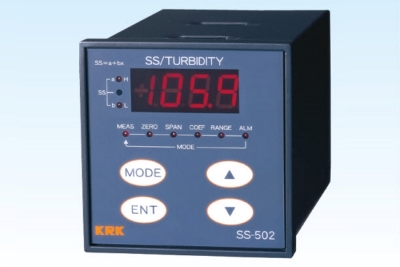
Where relevant, users may also work with solutions from DYS, including representative items such as the DYS Controlller, Sensor SS, MLSS online Inspection Service. In this context, the service is not just about the controller display; it is about checking the relationship between the sensor, signal transmission, and controller response so the full monitoring loop can be assessed more effectively.
Common applications and operating environments
SS and MLSS sensors are widely associated with water and wastewater processes where suspended solids concentration changes over time and directly affects process performance. Inspection service is especially relevant in environments with high fouling potential, variable flow conditions, or long operating hours, where online instruments are exposed to contamination and gradual signal degradation.
Facilities may schedule this type of service during periodic maintenance, troubleshooting, process optimization, or before making control adjustments based on online solids data. If your measurement point is part of a larger water quality monitoring setup, related services such as chlorine sensor and online controller inspection can also be relevant for broader system reliability.
What users typically check during an inspection
An effective inspection usually starts with the physical condition of the sensor and installation point. This may include checking contamination, buildup, mounting condition, cable integrity, and visible signs of wear that can influence measurement quality. For online controller systems, attention is also given to input status, reading consistency, alarm behavior, and whether the indicated values appear reasonable for the process.
The purpose is not to turn the category page into a detailed service procedure, but to clarify the logic behind the service. In many cases, inspection helps answer practical questions: is the sensor still responsive, is the controller receiving a stable signal, and is the system suitable to continue operating without corrective action? These are often the first steps before calibration, repair, or replacement decisions are made.
How to choose the right service for your installed system
When selecting an inspection service, it is useful to prepare basic information about the installed sensor type, controller model, application point, and the symptoms observed in operation. Unstable readings, slow response, unexplained deviation, or increased cleaning frequency can all indicate that the system should be checked. Clear operating context helps service teams focus on the most likely source of the problem.
It is also worth considering whether the issue is isolated to suspended solids monitoring or part of a broader instrumentation concern. In some process lines, users may need parallel support for other analytical devices, such as conductivity and TDS sensor inspection service or free ion sensor inspection service, especially when several online measurements are used together for process control.
Benefits of periodic inspection in continuous monitoring systems
Routine inspection supports measurement reliability and helps keep online monitoring aligned with actual process conditions. For B2B users, this matters not only for process efficiency but also for maintenance planning, troubleshooting speed, and confidence in operational data used for control or reporting.
Periodic service can also help extend the usable life of sensors and controllers by identifying early signs of fouling, wiring issues, or installation-related stress before they become more serious failures. In environments where downtime or poor-quality readings can affect treatment performance, preventive inspection is often more cost-effective than reactive maintenance.
Support for SS, MLSS online controller service needs
This category is designed for buyers and maintenance teams looking for a focused service option around online solids monitoring. Whether the goal is routine inspection, performance checking, or investigating unstable readings, the service helps create a clearer basis for maintenance action on SS and MLSS sensor systems.
If your operation depends on continuous solids measurement, choosing the right inspection scope can improve confidence in the data coming from the field. A well-timed service visit or inspection request can make it easier to determine the next step, whether that means cleaning, recalibration, repair, or broader review of the monitoring setup.
-
-
-
-
-
-
-
-
-
-
-
-
-
-
-
-
-
-
-
-
-
-
-
-