

Chlorine Sensor, Online Controller Inspection Service
Reliable chlorine measurement is critical wherever water quality must be controlled continuously. In treatment plants, process water systems, cooling circuits, and hygiene-sensitive applications, even a small drift in sensor response or controller reading can affect dosing decisions, compliance checks, and overall process stability.
Chlorine Sensor, Online Controller Inspection Service supports users who need to verify the condition and performance of installed monitoring equipment rather than simply replace parts without diagnosis. For B2B operations, this kind of service helps confirm whether the online chlorine sensing loop is still delivering dependable data, whether maintenance is required, or whether a controller and sensor pair should be recalibrated, repaired, or evaluated further.
Why online chlorine inspection matters
Online chlorine measurement is often tied directly to disinfection control, chemical dosing, and operating records. When a sensor ages, becomes contaminated, or loses response stability, the displayed value may no longer reflect actual process conditions. An inspection service helps identify these issues before they lead to over-dosing, under-dosing, or unnecessary troubleshooting elsewhere in the system.
For facilities that depend on continuous measurement, inspection is also useful as part of preventive maintenance. Instead of reacting only when alarms appear or values become obviously abnormal, service checks can review the sensor-controller chain in a more structured way and reduce the risk of hidden measurement errors.
Scope of service for chlorine sensors and online controllers
This category focuses on inspection services for chlorine sensors and their associated online controllers. In practice, the work typically centers on the measuring condition of the sensor, signal behavior, controller response, and the overall integrity of the installed monitoring point. The goal is to assess whether the device remains suitable for operation and whether the measured chlorine value can still be trusted for process decisions.
Because the sensor and controller operate as a system, inspection should not be viewed as a sensor-only task. A healthy sensor connected to a poorly configured or unstable controller can still produce misleading results. Reviewing both elements together gives a more realistic picture of field performance.
Typical situations where inspection is needed
Many users request service when chlorine readings start to fluctuate unexpectedly, respond too slowly, or no longer align with spot checks. Others need inspection after extended operation, process upset, maintenance shutdown, or before bringing a water treatment line back into regular service. In these cases, verifying the online measurement loop is often faster and more cost-effective than replacing equipment without evidence.
Inspection is also relevant when a site is standardizing maintenance routines across multiple analytical points. Facilities that monitor more than chlorine may also review related instrumentation such as conductivity and TDS sensor inspection services to maintain broader consistency in water quality monitoring.
Representative brands and service examples
This category includes service references associated with established manufacturers used in online analytical measurement. Examples include solutions from HANNA, Meinsberg, SENSOREX, and HUMAS, depending on the installed controller or sensor architecture.
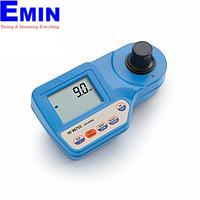
Representative items in this category include the SENSOREX Controller, Clo Sensor online Inspection Service, the HUMAS Controller, Clo Sensor online Inspection Service, and the Meinsberg Controller, Clo Sensor online Inspection Service. For portable verification workflows or supplementary field checking, the HANNA Chloride Portable Photometer Inspection Service may also be relevant, especially where users compare online readings with handheld measurement methods during maintenance or diagnosis.
How to choose the right inspection service
The most suitable service option depends on how your chlorine measurement point is used in the process. Some systems are focused on continuous control, where stable controller behavior and signal reliability are the priority. Others rely on online measurement mainly for monitoring and routine reporting, where repeatability and confidence in trend data may be more important than fast control action.
When selecting a service, it helps to confirm whether the issue is centered on the sensor, the online controller, or the interaction between both. It is also useful to identify whether the installed equipment is part of a wider analytical network. If your site also operates similar continuous analyzers, related categories such as free ion sensor inspection services or SS and MLSS sensor inspection services may help organize maintenance planning across the full instrumentation set.
Benefits for water treatment and process operations
A structured inspection approach can improve confidence in measured chlorine values, support more consistent dosing decisions, and reduce unnecessary downtime caused by uncertain instrument status. This is especially important in industrial and utility environments where process continuity, product quality, and water safety depend on dependable online data.
Inspection also supports better asset management. Instead of treating every unstable reading as a replacement event, maintenance teams can use service findings to separate routine wear, installation issues, controller-related problems, and broader process effects. That makes follow-up actions more targeted and often more efficient.
When portable and online measurement are used together
Some operations use a portable photometer alongside fixed online instrumentation to support verification and troubleshooting. This can be useful when investigating suspected sensor drift, validating field readings after maintenance, or checking whether a controller output remains aligned with practical measurement results under operating conditions.
In this context, a service item such as the HANNA Chloride Portable Photometer Inspection Service fits naturally into a broader maintenance workflow. Portable instruments do not replace continuous monitoring, but they can complement it when technicians need an independent point of reference during inspection activity.
Choosing with confidence
For facilities that depend on continuous chlorine monitoring, inspection service is not just a maintenance formality. It is a practical way to protect measurement quality, support process control, and make better decisions about service, repair, or equipment replacement based on actual instrument condition.
Whether your system uses equipment from HANNA, Meinsberg, SENSOREX, or HUMAS, this category helps you identify relevant inspection service options for chlorine sensing and online control. If your plant manages multiple analytical measurement points, building a coordinated service plan across related instruments can improve reliability throughout the wider water quality monitoring system.
-
-
-
-
-
-
-
-
-
-
-
-
-
-
-
-
-
-
-
-
-
-
-
-