

Flame Photometer Repair Service
Accurate elemental analysis depends on stable flame conditions, reliable optical detection, and repeatable sample introduction. When a flame photometer starts showing drift, ignition issues, weak signal response, or inconsistent readings, timely service helps restore dependable performance and reduces disruption in routine laboratory work. This page focuses on Flame Photometer Repair Service for laboratories that need practical support for troubleshooting, repair, and return-to-operation of this important analytical instrument.
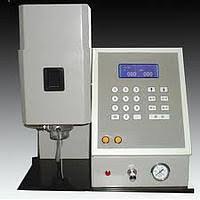
Why flame photometer repair matters in laboratory workflows
A flame photometer is commonly used where fast measurement of specific metal ions is required, so even minor faults can affect daily testing schedules. Problems such as unstable flame output, blocked sample pathways, worn components, or detector-related issues may lead to unreliable results, repeated measurements, and avoidable downtime.
Professional repair support is especially valuable when the instrument remains essential to teaching labs, quality control environments, or routine analytical work. Rather than replacing equipment prematurely, a focused repair process can help identify the real source of failure and restore the unit to a usable condition.
Common issues seen in flame photometer service work
Many faults develop gradually. Users may notice baseline instability, slow warm-up behavior, poor sensitivity, difficulty maintaining a flame, or readings that no longer align with expected standards. In other cases, the instrument may fail to ignite or may shut down unexpectedly during operation.
Service work on a flame photometer typically begins with fault isolation across the main functional areas: flame generation, sample aspiration, optics, detection, and control electronics. This approach helps distinguish between routine wear, contamination, and deeper component-level problems that require repair or replacement.
Issues are not always purely mechanical. Performance can also be affected by contamination in fluid pathways, aging electronic parts, alignment changes, or unstable supporting systems. Laboratories that also maintain other instruments may benefit from planning service intervals across related equipment such as water bath repair service or pharmacy refrigerators repair service where uninterrupted operation is equally important.
What a repair service may include
A structured repair process usually starts with inspection and symptom verification. The aim is to confirm reported faults, assess the current operating condition, and identify whether the issue is linked to ignition, aspiration, burner condition, optical response, display/control behavior, or general instrument stability.
Depending on the condition of the unit, repair may involve cleaning critical pathways, correcting worn or damaged parts, restoring electrical connections, checking functional response, and verifying that the instrument can return to normal laboratory use. The goal is not simply to make the equipment power on, but to recover consistent analytical performance as far as the actual condition of the instrument allows.
For laboratories using equipment from JENWAY, model familiarity can be helpful when diagnosing recurring operational faults. An example from this category is the JENWAY Flame Photometer Repair Service, which reflects the need for brand-relevant service support without treating every symptom as the same type of failure.
How to decide when repair is the right choice
Repair is often the practical option when the instrument still fits the laboratory workflow and the fault appears localized rather than catastrophic. If the unit has been reliable for years and the problem is tied to ignition, aspiration, unstable readings, or degraded response, service can be more sensible than immediate replacement.
It is also worth considering the role of the instrument in the wider lab environment. If testing continuity matters, repairing the existing unit may be the fastest route to restore throughput while maintaining established methods. For laboratories managing multiple instrument types, a broader maintenance strategy may also include services such as rotary evaporator repair service or biosafety cabinet repair service to reduce cumulative downtime across departments.
Information that helps speed up diagnosis
Before requesting service, it helps to record the actual symptoms as clearly as possible. Useful details include whether the unit powers on, whether ignition starts normally, whether the flame remains stable, how the readings behave over time, and whether the issue appeared suddenly or after gradual performance decline.
Laboratories should also note any recent cleaning, relocation, gas supply changes, abnormal noises, warning behavior, or sample aspiration problems. Clear symptom reporting often shortens the diagnostic process and helps service teams focus on the most likely fault areas first.
Support for JENWAY flame photometer equipment
Where JENWAY instruments are in use, repair requirements often center on restoring stable operation rather than only replacing obvious failed parts. A practical service approach considers how the instrument behaves as a complete system, including flame behavior, signal response, fluid handling, and operational controls.
This matters because analytical instruments rarely fail in a single, isolated way. A weak signal may relate to contamination, flame instability, optical issues, or electronic degradation, and effective service depends on understanding those interactions. That is why brand-aware troubleshooting can be useful, especially for laboratories that want to preserve existing workflows and avoid unnecessary equipment changes.
Choosing a service path that fits laboratory priorities
Not every laboratory needs the same level of intervention. Some cases involve straightforward restoration after contamination or wear, while others require deeper inspection due to repeated instability or failure to operate normally. The right service path depends on instrument condition, urgency, and how critical the analyzer is to current testing schedules.
When evaluating a repair service for flame photometers, it helps to look for a clear diagnostic process, realistic assessment of equipment condition, and a practical focus on returning the instrument to dependable use. That combination is often more valuable than generic service language or assumptions that every fault has the same root cause.
Conclusion
Reliable flame photometer operation supports faster laboratory work, more stable measurements, and fewer interruptions in routine analysis. When performance problems appear, a focused repair process can help identify the source of the fault and restore the instrument with less disruption than a rushed replacement decision.
If your laboratory is dealing with ignition problems, unstable readings, or general performance decline, this category is intended to help you find the right Flame Photometer Repair Service option for your equipment and workflow. A well-scoped repair approach can extend instrument usability and support more consistent day-to-day operation.
-
-
-
-
-
-
-
-
-
-
-
-
-
-
-
-
-
-
-
-
-
-
-
-