

Pharmacy Refrigerators Repair Service
Temperature-sensitive medicines, vaccines, reagents, and clinical supplies depend on stable cold storage every hour of the day. When a unit begins to drift, cycle abnormally, or stop cooling reliably, a fast and technically sound Pharmacy Refrigerators Repair Service becomes essential to protect stored products and restore daily operation with minimal disruption.
This category is intended for organizations that need repair support for pharmacy-grade refrigeration and related cold-storage equipment used in laboratories, healthcare facilities, research environments, and controlled storage areas. It covers service needs ranging from standard refrigerator faults to deeper issues involving temperature control, compressors, sensors, alarms, or system recovery after unstable performance.
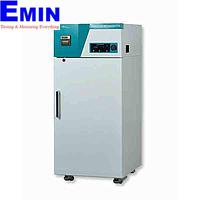
Why repair quality matters for pharmacy refrigeration
Unlike general-purpose cooling equipment, pharmacy refrigerators are expected to support temperature stability, product integrity, and dependable operation under regulated storage conditions. Even when a unit still appears to run, inconsistent cooling, delayed recovery after door opening, or alarm-related issues can create risk for stored materials and interrupt compliance-focused workflows.
A professional repair approach helps identify the actual source of failure instead of only treating visible symptoms. In many cases, performance problems may be linked to the cooling circuit, control board behavior, sensor accuracy, door sealing, airflow conditions, or defrost-related faults. Proper diagnosis is especially important for facilities that cannot afford repeated downtime or uncertain temperature performance after service.
Common service scenarios in this category
Repair needs in this category often begin with practical problems: the cabinet is not reaching setpoint, displayed temperature does not match actual storage conditions, the compressor runs continuously, or alarms trigger unexpectedly. Users may also report frost buildup, unstable recovery after opening, excessive noise, or a complete loss of cooling.
These issues can affect upright pharmacy refrigerators as well as related cold-storage formats used in pharmaceutical and laboratory environments. Where the application extends into colder storage ranges, similar service logic may apply to freezers and ultra-low units. For organizations managing multiple types of equipment, it may also be helpful to review related support options such as water bath repair service for broader temperature-control maintenance planning.
Examples of supported brands and service needs
This category can be relevant for facilities operating equipment from manufacturers such as Binder, JEIOtech, Lauda, DaiHan, SH Scientific, and WITEG. Each brand may use different control layouts, cabinet formats, or cooling architectures, so repair work should be aligned with the actual equipment type and operating behavior rather than handled as a generic refrigeration issue.
Representative services in the wider cold-storage repair scope include the Binder Ultra Low Temperature Freezer Repair Service, JEIOTECH Laboratory Refrigerator Repair Service, DaiHan ULT Freezer Repair Service, Lauda Upright/Chest Freezers Repair Service, SH Scientific Recirculating Chiller Repair Service, and WITEG Ultra Low Temperature Freezer Repair Service. These examples illustrate the variety of equipment that may require attention across laboratory and pharmacy environments, from standard refrigerated storage to specialized low-temperature systems.
What to evaluate before requesting repair
Before arranging service, it helps to note how the problem appears in real operation. A useful report includes whether the unit has stopped cooling completely, is cooling too slowly, fluctuates around the setpoint, displays sensor or alarm errors, or shows signs of condensation, icing, or abnormal fan behavior. This kind of information speeds up troubleshooting and reduces unnecessary service delays.
You should also consider the storage role of the unit: routine medication storage, temperature-sensitive samples, backup stock, or controlled laboratory materials. The urgency, repair pathway, and verification steps may differ depending on whether the refrigerator supports critical inventory or works alongside other controlled devices such as a biosafety cabinet repair service workflow in a regulated lab environment.
Repair scope across pharmacy and laboratory cold storage
Although this category focuses on pharmacy refrigerators, service demand often overlaps with nearby equipment classes used in the same facility. Many sites manage a mix of pharmacy refrigerators, laboratory refrigerators, freezers, ultra-low freezers, and chillers, all of which contribute to a broader cold-chain support strategy inside the organization.
That is why repair planning should not be isolated from the rest of the equipment ecosystem. If a site also operates dedicated medicine storage units in adjacent applications, the related pharmacy refrigerators repair service page itself may be part of a larger maintenance structure that includes freezer and environmental control equipment from brands such as JEIOtech and others used across laboratory operations.
How to choose the right service path
The most effective repair path usually starts with matching the service request to the actual equipment type and fault pattern. For example, a temperature drift issue may call for different checks than a no-power condition, repeated alarms, or visible frost accumulation. Facilities should also consider whether the issue is isolated to one cabinet or indicates a wider maintenance problem affecting several cold-storage assets.
In environments with multiple specialized instruments, coordinating repair by equipment function can improve response and documentation. Alongside refrigeration support, some facilities also need service for devices used in sample preparation or process work, such as rotary evaporator repair service. Looking at service needs this way helps teams build a more consistent maintenance plan instead of reacting to each failure in isolation.
Supporting reliable operation after repair
Successful repair is not only about restoring cooling; it is also about returning the equipment to stable, predictable use. After service, users typically benefit from confirming setpoint behavior, alarm response, door sealing condition, recovery performance, and general cabinet stability under normal operating loads. This is especially important when the refrigerator is used for regulated or high-value stored materials.
For procurement teams, lab managers, and facility operators, choosing the right repair category makes the service process clearer from the start. A focused repair request helps connect the problem to the correct equipment type, reduces back-and-forth, and supports faster recovery of essential refrigerated storage in pharmacy and laboratory settings.
When cold storage reliability affects inventory protection and daily operations, clear diagnosis and category-specific support matter. This Pharmacy Refrigerators Repair Service category is designed to help buyers and technical teams navigate repair needs more efficiently, especially when managing specialized refrigerated equipment alongside the rest of a controlled laboratory or healthcare environment.
-
-
-
-
-
-
-
-
-
-
-
-
-
-
-
-
-
-
-
-
-
-
-
-