

Stirrer Calibration Service
Reliable mixing is easy to take for granted until test repeatability starts to drift, sample temperature behaves unexpectedly, or process timing no longer matches validated methods. In laboratory and light industrial environments, a professional Stirrer Calibration Service helps confirm that magnetic stirrers, hot plate stirrers, and overhead stirrers are operating within expected performance conditions, supporting more consistent workflows and better confidence in day-to-day results.
Calibration is especially relevant where stirring speed, thermal behavior, and uniform mixing influence product quality, analytical accuracy, or method compliance. Whether the equipment is used in R&D, quality control, education, or routine lab preparation, regular verification helps reduce uncertainty and provides a clearer basis for maintenance or adjustment decisions.
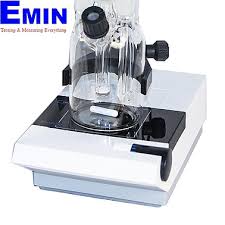
Why stirrer calibration matters in laboratory work
Stirrers are often used in procedures that depend on stable agitation, controlled heating, and repeatable sample preparation. If rotation speed drifts or heating behavior changes over time, the impact may not be obvious at first, yet it can affect dissolution, homogenization, reaction consistency, and operator confidence in the process.
A structured calibration service helps verify the actual performance of the device against expected operating conditions. This is useful not only for internal quality systems, but also for laboratories that want traceable equipment control across a broader maintenance and verification program alongside services such as water bath calibration service and rotary evaporator calibration service.
Equipment covered within this category
This category is centered on calibration support for common lab stirring platforms, including magnetic stirrers, hot plate stirrers, and overhead stirrers. These instrument types are widely used across chemistry, microbiology, environmental testing, pharmaceutical preparation, coatings, and materials laboratories.
Typical examples in this category include the STUART Hot Plate Stirrer Calibration Service, HANNA Magnetic Stirrer Calibration Service, SI ANALYTICS Magnetic Stirrer Calibration Service, JEIOtech Magnetic Stirrer Calibration Service, and IKA Overhead Stirrer Calibration Service. The range also includes services for THERMO hot plate stirrers, YSI magnetic stirrers, PCE magnetic stirrers, METABO stirrers, and TQCSheen hot plate stirrers, allowing users to find support relevant to the equipment already installed in their lab.
What is typically checked during calibration
The exact calibration scope can vary by equipment design, but the main goal is to assess whether the stirrer performs in line with its intended operating function. For magnetic and overhead units, this commonly relates to stirring speed verification, operational stability, and consistency across the usable range. For hot plate stirrers, heating behavior is also an important consideration because temperature and mixing frequently interact in the application.
In practical terms, calibration helps identify whether a unit is still suitable for routine work, whether it should be adjusted or serviced, or whether process instructions need to account for actual equipment behavior. This is particularly valuable in labs where one stirrer may be used across multiple methods and sample types, making repeatability more important than nominal settings alone.
Choosing the right service for your installed equipment
The most efficient way to select a service is to match it to the device type and manufacturer already in use. If your lab relies on IKA systems for overhead mixing, an IKA Overhead Stirrer Calibration Service is the natural fit. For facilities using benchtop magnetic stirrers from HANNA, a dedicated HANNA service page provides a more direct route to the relevant calibration option.
Manufacturer-specific service listings can also make coordination easier when a lab standardizes around certain brands such as THERMO, JEIOtech, SI ANALYTICS, STUART, PCE, YSI, METABO, or TQCSheen. Instead of comparing unrelated options, users can focus on the calibration path that aligns with their current asset base and maintenance planning.
Where calibrated stirrers make the biggest difference
Not every application demands the same level of control, but calibration becomes especially important when mixing quality directly affects the next step in the workflow. This includes sample dissolution, reagent preparation, suspension uniformity, thermal mixing tasks, and procedures where dwell time and agitation rate must remain consistent between batches or test runs.
In many labs, stirrers work alongside other controlled equipment, and overall process reliability depends on the whole chain rather than one instrument alone. For example, if temperature-sensitive preparation is involved, calibration planning may also extend to equipment such as pharmacy refrigerators calibration or other laboratory systems that support storage, conditioning, or downstream analysis.
Benefits of regular calibration over reactive maintenance
Waiting until a stirrer visibly fails can lead to interrupted work, questionable data history, and avoidable troubleshooting. By contrast, periodic calibration provides a more proactive view of equipment condition. It supports maintenance scheduling, helps document equipment status, and can reduce the chance of unnoticed drift affecting routine operations over long periods.
This approach is useful for both single-lab environments and larger organizations managing multiple instruments across departments. When calibration intervals are planned consistently, teams gain a more organized basis for equipment control, especially where audits, internal SOPs, or quality documentation require clear evidence of verification.
Support across a range of laboratory brands
This category includes service options associated with widely used laboratory manufacturers such as IKA, HANNA, THERMO, JEIOtech, SI ANALYTICS, STUART, PCE, YSI, METABO, and TQCSheen. The goal is not simply to list brands, but to help users find calibration coverage that reflects the real mix of equipment found in modern labs.
That matters because stirrer configurations vary by application. A compact magnetic stirrer used for routine sample prep has a different operating profile from a hot plate stirrer handling heated media, while an overhead stirrer may be selected for more demanding viscosity or mixing tasks. Calibration services grouped in one category make it easier to navigate these differences without losing sight of the practical requirement: confirming dependable instrument performance.
Finding the right calibration path for your lab
When reviewing options in this category, start with the instrument type, the manufacturer, and the role the stirrer plays in your workflow. A lab that depends on heating and agitation in the same step may prioritize hot plate stirrer verification, while another may focus on magnetic stirring consistency for sample preparation or overhead mixing for more robust applications.
Used as part of a broader laboratory equipment control strategy, stirrer calibration helps improve confidence in mixing performance and supports more predictable operation over time. If your work depends on repeatable agitation and stable process conditions, choosing the right service from this category is a practical step toward better equipment assurance.
-
-
-
-
-
-
-
-
-
-
-
-
-
-
-
-
-
-
-
-
-
-
-
-