

Sample Destructors Calibration Service
Reliable analytical work depends on more than the instrument itself. In laboratories that use digestion or sample destruction systems, consistent heating performance, stable operating conditions, and traceable verification all play a direct role in result quality, workflow safety, and compliance readiness. That is where Sample Destructors Calibration Service becomes important.
This service is relevant for laboratories involved in environmental testing, water analysis, chemical preparation, and routine sample treatment before measurement. When a sample destructor is operating outside expected parameters, the effect may not always be visible immediately, but it can influence preparation consistency, repeatability, and confidence in downstream analytical data.
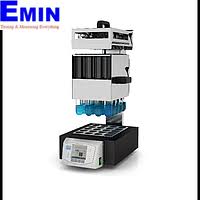
Why calibration matters for sample destruction equipment
Sample destructors are typically used in workflows where samples must be broken down or digested before further analysis. In this type of process, temperature control, timing behavior, and system stability are often central to achieving reproducible preparation conditions across batches.
Calibration helps verify that the equipment is performing within its intended operating range and that critical process variables are not drifting over time. For laboratories managing quality systems, scheduled calibration also supports documentation, audit preparation, and preventive maintenance planning rather than relying only on corrective action after a problem appears.
What this calibration service generally supports
A calibration service for sample destructors is typically used to assess whether the unit is operating as expected under normal laboratory conditions. Depending on the equipment design and the lab’s internal procedures, this may be relevant for checking thermal behavior, operating consistency, and the reliability of key control functions.
Beyond technical verification, the service can support laboratories that need better control over method repeatability and equipment lifecycle management. It is especially useful in environments where sample preparation quality has a direct impact on later measurement steps, whether in water testing, environmental monitoring, academic research, or industrial laboratories.
Common use cases in laboratory workflows
Sample destruction systems are often found in analytical workflows where proper pretreatment is required before photometric, titration-based, or other downstream testing methods. In these cases, calibration is not only about the device itself; it is also about protecting the integrity of the overall testing process.
Labs using digestion-based preparation alongside instruments and accessories from brands such as HACH, IKA, Aqualytic, or VELP may include calibration as part of a broader quality program. When several pieces of laboratory equipment must work together, routine verification helps reduce uncertainty and makes troubleshooting easier when process deviations occur.
Representative service options in this category
This category includes calibration services associated with selected manufacturers commonly used in laboratory environments. Examples include the Hach Sample Demolitions Calibration Service, IKA Sample Demolitions Calibration Service, Aqualytic Sample Demolitions Calibration Service, and VELP Sample Demolitions Calibration Service.
These listings are useful as reference points when your facility standardizes around a particular equipment brand or service pathway. Rather than treating all laboratory devices the same way, manufacturer-aligned service options can help buyers and lab managers identify the most relevant support route for their installed equipment base.
How to choose the right service
The best fit usually depends on your current instrument fleet, internal quality requirements, and the role the equipment plays in sample preparation. A lab with documented calibration intervals, regulated workflows, or frequent use of digestion equipment may need a more structured service schedule than a lab using the unit only occasionally.
It is also worth considering related equipment in the same facility. For example, if your laboratory maintains multiple thermal or controlled-environment devices, you may also review services such as water bath calibration service or pharmacy refrigerators calibration service as part of a broader equipment reliability plan.
Benefits for quality, safety, and documentation
A well-managed calibration program provides more than a pass/fail checkpoint. It helps laboratories build a clearer picture of equipment condition over time, identify performance drift earlier, and support more predictable operation in daily use. This is especially valuable when sample preparation is a prerequisite for regulated or high-importance testing activities.
There is also a practical safety dimension. Equipment used for heating, digestion, or sample breakdown should be monitored within a structured service framework to reduce the risk of unnoticed deviation. In many labs, calibration records become part of the broader traceability chain that supports method control, internal reviews, and external inspections.
Calibration as part of a wider laboratory service strategy
Sample destructors are rarely the only instruments that need periodic verification. Laboratories often coordinate calibration activities across several critical devices to reduce downtime and simplify service scheduling. Depending on the application, this may include adjacent services such as rotary evaporator calibration service or biosafety cabinet calibration service.
Looking at calibration in this wider context can help procurement teams, lab supervisors, and maintenance coordinators create a more consistent service schedule across departments. It also supports better planning for records management, annual reviews, and equipment readiness.
Final considerations
Choosing a sample destructor calibration service is ultimately about maintaining confidence in sample preparation, not simply checking a box on a maintenance list. For laboratories that depend on stable and repeatable pretreatment conditions, regular calibration supports both day-to-day performance and long-term quality assurance.
If your laboratory works with digestion or sample destruction systems from brands such as HACH, IKA, Aqualytic, or VELP, this category helps you identify relevant service options and align calibration planning with the rest of your laboratory equipment management process.
-
-
-
-
-
-
-
-
-
-
-
-
-
-
-
-
-
-
-
-
-
-
-
-