

Protein Distiller Calibration Service
Accurate nitrogen and protein analysis depends on more than a well-designed instrument. In routine laboratory work, even small deviations in a distillation system can affect repeatability, recovery, and confidence in analytical results. A reliable Protein Distiller Calibration Service helps laboratories maintain measurement quality, support internal quality control, and keep critical distillation equipment performing as expected.
This service is especially relevant for laboratories working with Kjeldahl-based workflows in food, feed, environmental, agricultural, and industrial testing. When a protein distiller is calibrated at appropriate intervals, teams can better verify operating conditions, reduce uncertainty in daily analysis, and align equipment performance with laboratory procedures.
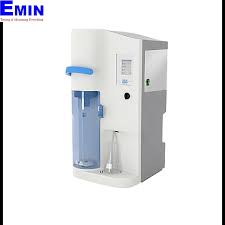
Why calibration matters for protein distillers
Protein distillers are used in analytical processes where distillation performance directly influences the transfer and recovery of analytes. In Kjeldahl analysis, this step is essential for converting prepared samples into measurable results. If the instrument drifts over time, the laboratory may see inconsistent outcomes between runs, operators, or batches.
A structured calibration service helps confirm that key operating parameters remain within the expected range. This is important not only for result consistency, but also for laboratories that need documented evidence of equipment control as part of internal audits, method validation, or routine quality systems.
What a calibration service typically supports
Although the exact procedure depends on the equipment design and laboratory requirements, calibration generally focuses on verifying that the distillation unit operates in a stable and repeatable manner. The goal is not simply to check whether the instrument turns on, but to assess whether it performs in a way that supports dependable analytical work.
For laboratories using systems such as the VELP Distillation Unit Calibration Service, calibration can be part of a broader equipment management plan covering analytical preparation, thermal control, and supporting lab devices. In practice, this helps reduce the risk of unnoticed drift affecting nitrogen or protein determination workflows over time.
- Verification of measurement consistency in routine operation
- Support for traceability and documented equipment control
- Improved confidence in laboratory comparison and repeat testing
- Better alignment between instrument performance and SOP-based workflows
Typical laboratories and applications
This category is relevant for laboratories that perform protein-related testing on raw materials, finished products, and process samples. Food and feed laboratories are common users, but the same calibration need also appears in research institutions, agricultural labs, education labs, and quality control environments where nitrogen determination is part of standard analytical practice.
Because protein distillers are often integrated into repetitive, high-importance workflows, calibration should be viewed as part of the analytical system rather than as an isolated maintenance task. Laboratories that depend on trend monitoring, batch release testing, or multi-operator workflows often benefit from a consistent calibration schedule.
How to choose the right service scope
When selecting a calibration service, it is useful to look at the instrument type, usage frequency, and the role of the equipment in your laboratory process. A unit used in daily production support may require a different service planning approach than one used occasionally for research or teaching. The objective is to match service scope with operational risk and documentation needs.
If your laboratory uses equipment from VELP, it can be helpful to choose service options that reflect the actual platform in use and the expectations of your method. Manufacturer-related service references can also make it easier to keep equipment records organized across the instrument lifecycle.
It is also worth considering nearby categories of laboratory equipment service when building a broader calibration plan. For example, laboratories managing multiple thermal and analytical devices may also review water bath calibration service needs or evaluate rotary evaporator calibration service requirements as part of a coordinated quality program.
Calibration as part of laboratory quality assurance
In many laboratories, calibration is closely tied to broader quality assurance activities. It supports the control of analytical equipment, provides documented checkpoints for performance review, and helps teams respond more effectively when investigating out-of-trend or unexpected results. This is particularly valuable where reproducibility and method discipline are priorities.
A well-managed calibration process also makes equipment oversight more practical. Instead of relying only on reactive troubleshooting, laboratories can use calibration records to support preventive planning, identify recurring issues earlier, and maintain a clearer history of instrument condition over time.
When to schedule protein distiller calibration
Service intervals depend on usage patterns, internal procedures, and the criticality of the analytical process. Laboratories often consider calibration after installation, at routine periodic intervals, after relocation, or whenever there is concern about measurement stability. A practical schedule should reflect both compliance needs and actual operating conditions.
It may also be appropriate to review calibration status after significant maintenance, repairs, or process changes that could influence instrument behavior. Establishing a repeatable service rhythm helps avoid gaps in equipment control and supports more predictable laboratory operation.
A practical approach to maintaining analytical confidence
Protein distillation is a critical step in many nitrogen and protein testing workflows, so calibration should be treated as a technical necessity rather than an administrative formality. By keeping the instrument aligned with laboratory expectations, a protein distiller calibration service supports reliable day-to-day work, clearer documentation, and stronger confidence in analytical output.
For laboratories building a dependable service strategy, this category provides a focused starting point for maintaining distillation equipment used in protein analysis. Choosing the right calibration support can help protect result quality, simplify quality management, and keep essential laboratory processes running with greater consistency.
-
-
-
-
-
-
-
-
-
-
-
-
-
-
-
-
-
-
-
-
-
-
-
-