

OXYGEN heat meter Calibration Service
Reliable calorimetric results depend on more than routine operation. In laboratories that work with combustion analysis, energetic material testing, fuel research, or thermal characterization, periodic verification of the instrument is essential to keep measurements stable, comparable, and technically defensible. That is where OXYGEN heat meter Calibration Service becomes an important part of the maintenance and quality workflow.
This service is intended for laboratories that need confidence in heat measurement performance over time. Whether the equipment is used for research, method validation, production support, or regulated testing, calibration helps confirm that the system continues to operate within expected measurement conditions and supports better traceability for recorded results.
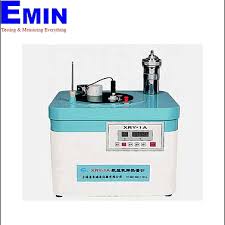
Why calibration matters for oxygen heat meter systems
An oxygen heat meter is typically used in applications where thermal output must be measured consistently under controlled conditions. Even when an instrument appears to function normally, small shifts in response, environmental influence, or wear in related components can affect repeatability and confidence in the data. Regular calibration helps identify these deviations before they become a larger quality issue.
For many laboratories, calibration is not only about instrument performance but also about documentation. A structured calibration process supports internal quality systems, maintenance planning, and more reliable comparison of results across operators, test batches, or reporting periods. In practical terms, it helps reduce uncertainty when the instrument is used for critical testing work.
What this service supports in day-to-day laboratory use
Calibration service for oxygen heat meter equipment is especially relevant where test data influences decisions in research, product development, incoming material checks, or compliance activities. When measurement drift goes unnoticed, the impact may extend beyond one instrument and affect trend analysis, method verification, or batch release decisions.
By scheduling calibration at appropriate intervals, laboratories can build a more predictable service routine around key thermal measurement equipment. This is particularly useful in facilities where multiple laboratory devices must be maintained under a coordinated quality program, alongside services such as water bath calibration service or pharmacy refrigerators calibration.
Suitable equipment and examples within this category
This category covers calibration support for oxygen heat meter instruments and related laboratory use cases represented on the page. Example services include the IKA OXYGEN Heat Meter Calibration Service and the Falex OXYGEN Heat Meter Calibration Service. These examples help illustrate that the category is focused on service support for recognized laboratory equipment brands rather than general repair-only work.
When evaluating a service option, users typically look for compatibility with the installed instrument, clarity of service scope, and whether the calibration fits the laboratory’s operating rhythm. For multi-brand environments, having access to brand-specific service references can make planning easier and help procurement teams match the service request to the correct installed asset.
How to choose the right calibration service
Selecting an appropriate service starts with understanding how the instrument is used. Laboratories running frequent tests, working with high-value samples, or maintaining strict internal quality targets often require a more disciplined service interval than facilities using the equipment occasionally. The right approach usually depends on usage intensity, risk level, documentation needs, and the role of the instrument in the overall testing process.
It is also helpful to review the equipment history before booking service. Previous calibration records, maintenance notes, operational irregularities, and environmental conditions can all provide context. A well-matched laboratory calibration plan should support both technical reliability and administrative efficiency, especially where service records are part of audits or formal laboratory procedures.
Calibration in the broader laboratory equipment ecosystem
Oxygen heat meter calibration is often part of a wider preventive maintenance strategy. Laboratories rarely manage this type of instrument in isolation; they typically maintain several critical devices that contribute to sample preparation, environmental control, or safe handling. Coordinating service activities across these assets can reduce downtime and simplify planning.
For example, some facilities may also require related support such as rotary evaporator calibration service or biosafety cabinet calibration service. Looking at calibration as a system-level activity rather than a one-off task helps laboratories maintain more consistent performance across the full workflow.
When to consider scheduling service
There are several practical situations where calibration should be considered. Common triggers include periodic quality schedules, instrument relocation, unusual measurement behavior, post-maintenance checks, or preparation for internal and external audits. Even in the absence of obvious problems, planned calibration remains a useful preventive measure for instruments involved in important thermal measurements.
Measurement consistency is especially important when test data is compared over time or shared across teams. If the oxygen heat meter supports research reporting, quality investigation, or process benchmarking, calibration can help maintain confidence that observed changes in data reflect the sample or process rather than unnoticed instrument variation.
FAQ
Is this service only relevant for heavily used instruments?
No. High-usage equipment may need closer attention, but lower-use instruments can also drift over time or be affected by storage, environment, or operational changes. Service frequency should be based on actual risk and quality requirements.
Can calibration help with audit readiness?
Yes. Calibration records can support internal documentation, maintenance history, and quality system reviews. They are often useful when laboratories need clearer evidence of instrument control.
Does this category include brand-specific service examples?
Yes. The page includes examples for equipment associated with IKA and Falex, which can help users identify relevant service options for their installed systems.
Supporting more dependable heat measurement results
Choosing the right oxygen heat meter calibration support is ultimately about protecting data quality and keeping laboratory operations predictable. A well-planned service routine can help reduce uncertainty, improve recordkeeping, and support more consistent instrument performance over time.
If your laboratory relies on oxygen heat meter equipment for routine or critical testing, this category provides a focused starting point for identifying the right service path. Reviewing the available options alongside your equipment usage, documentation needs, and broader calibration schedule can make the selection process more straightforward.
-
-
-
-
-
-
-
-
-
-
-
-
-
-
-
-
-
-
-
-
-
-
-
-