

Fume Hood Calibration Service
Reliable containment in a laboratory depends on more than daily operation and routine cleaning. When airflow performance starts to drift, a fume hood may no longer provide the level of protection expected for personnel, samples, and the working environment. That is why Fume Hood Calibration Service is an important part of laboratory safety, compliance, and preventive maintenance.
A properly calibrated fume hood helps confirm that face velocity, sash operation, and overall airflow behavior remain within the required working range for the application. In research labs, pharmaceutical environments, testing facilities, and industrial laboratories, this service supports safer handling of vapors, aerosols, and chemical fumes while reducing uncertainty in everyday use.
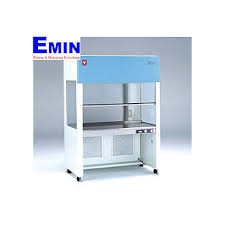
Why fume hood calibration matters
A fume hood is designed to control exposure by drawing contaminated air away from the operator and into the exhaust system. Over time, however, airflow can be affected by filter condition, duct performance, building pressure changes, fan behavior, or mechanical wear in the sash and frame. Calibration helps verify that the hood is still operating as intended under real working conditions.
For many laboratories, this is not only a technical requirement but also part of a broader quality and safety program. Regular checks support internal SOPs, audit readiness, and confidence that the equipment can continue to protect users during routine chemical handling. Where multiple controlled environments are used together, laboratories often review related services such as biosafety cabinet calibration to maintain a consistent validation approach across containment equipment.
What is typically covered in the service
The exact scope can vary depending on the hood design and the site’s procedures, but calibration generally focuses on the core performance parameters that influence containment. This commonly includes review of airflow behavior, confirmation of face velocity, and checks related to the sash opening and operating position.
Service work may also include functional assessment of alarms, indicators, and visible operating conditions that affect safe use. The goal is not simply to record a number, but to establish whether the hood performs consistently enough for laboratory work and whether adjustments are needed to bring it back into an acceptable range.
- Verification of airflow performance at the working opening
- Assessment of sash position and its influence on airflow stability
- Checks of operating indicators or safety alarms where applicable
- Identification of deviations that could affect containment effectiveness
- Documentation to support maintenance, audits, or internal quality systems
When laboratories should schedule calibration
Calibration is commonly performed as part of a periodic maintenance schedule, but there are also practical situations where additional testing is advisable. If a hood has been relocated, repaired, connected to modified ducting, or shows signs of unstable airflow, a fresh calibration check is often necessary before returning it to normal use.
Many facilities also schedule service after HVAC changes, room pressure adjustments, or renovations that may influence exhaust behavior. In controlled laboratory environments, it is useful to view fume hoods as part of a larger equipment ecosystem. For example, temperature-controlled devices may require separate verification such as pharmacy refrigerator calibration to ensure that safety and process control are addressed together rather than in isolation.
Key factors that influence fume hood performance
Stable hood operation depends on more than the hood cabinet itself. Room airflow patterns, cross drafts from doors or walkways, nearby supply diffusers, and the user’s sash position can all change the capture behavior at the front opening. Calibration helps identify these influences so that the measured result is understood in context, not treated as an isolated figure.
Another important factor is how the hood is actually used. Excessive storage inside the chamber, blocked baffles, or equipment placement too close to the face opening can disrupt smooth air movement. A good calibration process therefore supports both safety verification and better operating practice by highlighting conditions that may reduce containment efficiency during normal laboratory work.
How to choose the right service approach
When selecting a calibration service, laboratories usually look for clear reporting, traceable methods, and a practical understanding of how laboratory containment equipment behaves in real use. The most useful service outcome is not just a pass/fail statement, but information that helps maintenance teams and laboratory managers decide whether adjustment, repair, or retesting is needed.
It is also helpful to coordinate fume hood calibration with other laboratory equipment checks where timing and shutdown windows matter. Facilities managing multiple thermal and process devices may align schedules with services such as water bath calibration service or rotary evaporator calibration service to reduce disruption and improve maintenance planning.
Benefits for compliance, safety, and daily operation
A well-documented calibration record supports more than regulatory or audit needs. It gives laboratory teams a reference point for trend monitoring, helps identify gradual performance drift, and provides evidence for maintenance decisions before problems become more serious. This is especially valuable in environments where operator protection and controlled chemical handling are essential.
From an operational standpoint, calibrated fume hoods help reduce uncertainty. Users can work with greater confidence when airflow conditions have been checked, and facility teams gain a clearer basis for prioritizing service actions. Over time, regular calibration contributes to a more stable, safer, and better-managed laboratory infrastructure.
Supporting a safer laboratory environment
Fume hood performance should never be assumed based only on appearance or routine use. Periodic calibration helps confirm that the equipment continues to support containment expectations and gives laboratories a practical way to manage risk, document performance, and respond early to changes in airflow behavior.
For laboratories that depend on controlled ventilation and safe chemical handling, scheduling fume hood calibration as part of an ongoing service plan is a sensible step toward more reliable operation. A structured calibration program helps turn safety requirements into measurable, maintainable practice across the laboratory.
-
-
-
-
-
-
-
-
-
-
-
-
-
-
-
-
-
-
-
-
-
-
-
-