

Dry Cabinet Calibration Service
Stable humidity control matters wherever sensitive materials must be protected from moisture, oxidation, or contamination. In laboratories, electronics storage areas, and controlled production environments, dry cabinets are often used to maintain low-humidity conditions for components, samples, and precision materials. Over time, however, display values and actual chamber conditions may drift, which is why Dry Cabinet Calibration Service plays an important role in maintaining confidence in stored assets and documented processes.
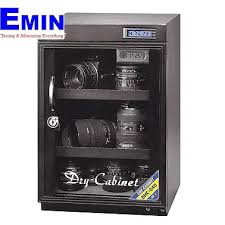
Calibration helps verify whether a dry cabinet is operating within expected humidity and temperature ranges, based on its intended use and internal monitoring system. For facilities that rely on controlled storage as part of quality assurance, research workflows, or traceable handling procedures, periodic verification supports more reliable results and better day-to-day equipment oversight.
Why dry cabinet calibration matters
A dry cabinet is typically selected to store moisture-sensitive materials under controlled environmental conditions. This can include electronic parts, optical components, chemicals, reference materials, or laboratory items that may degrade when exposed to excess humidity. If the cabinet’s internal sensor or controller no longer reflects actual conditions accurately, stored materials may be exposed to risk without obvious warning.
Calibration service helps compare the cabinet’s indicated values against a suitable reference standard, so users can understand whether the unit is reading correctly across its working range. This is especially relevant when storage conditions are linked to internal SOPs, inspection routines, or documented quality systems where measurement reliability is expected rather than assumed.
What is typically evaluated during calibration
Dry cabinet calibration generally focuses on the environmental parameters that define storage performance, most notably relative humidity and, where applicable, temperature indication. The goal is not only to confirm the displayed value but also to assess whether the cabinet maintains conditions in a stable and meaningful way for its application.
Depending on the service scope, calibration may involve checking the chamber reading against reference instruments, reviewing sensor response, and identifying any deviation between indicated and actual internal conditions. In practice, this gives users a clearer basis for acceptance, adjustment, maintenance planning, or continued use of the equipment in routine operations.
Applications that benefit from regular verification
Calibration is particularly valuable in environments where dry cabinets are part of a controlled workflow rather than simple storage furniture. Laboratories may use them to protect samples and materials from ambient moisture. Electronics and component handling areas may depend on low-humidity storage to reduce the chance of degradation before assembly or testing. Any process that relies on repeatable environmental storage can benefit from periodic verification.
Facilities often include dry cabinet checks within broader equipment control programs alongside services for other laboratory systems. For example, organizations managing multiple environmental devices may also schedule related support such as water bath calibration service or pharmacy refrigerators calibration to keep critical storage and conditioning equipment aligned with operational requirements.
When to consider calibration for a dry cabinet
Many users arrange calibration at regular intervals as part of preventive quality control. Even if a cabinet appears to be functioning normally, sensor aging, environmental exposure, usage patterns, and long operating hours can affect measurement accuracy over time. Routine verification helps identify drift before it becomes a larger issue.
Calibration should also be considered after relocation, repair, unusual readings, prolonged downtime, or when stored materials show signs that environmental conditions may not be as expected. If a cabinet is used in a regulated or audit-sensitive setting, documented calibration can also support traceability and equipment status review.
How to evaluate a suitable calibration service
When selecting a service, it is useful to look beyond the basic idea of “checking the display.” A good calibration approach should be relevant to the way the cabinet is actually used, with attention to measurement points, reference method, and the practical meaning of any deviation found. For many technical teams, the most useful outcome is not only a pass/fail impression but a clear understanding of the cabinet’s current measurement condition.
Documented results are also important. Service records can help maintenance teams plan follow-up actions, support audit preparation, and create consistency across multiple storage devices. In broader lab environments, this same principle often applies to other controlled equipment such as biosafety cabinet calibration service and rotary evaporator calibration service, where verified performance supports safer and more repeatable operation.
Calibration as part of equipment reliability and quality control
Dry cabinet performance is easy to overlook because storage equipment often runs continuously in the background. Yet in many technical environments, storage conditions directly affect material integrity, process consistency, and downstream results. A cabinet that displays a target humidity value but does not actually maintain it can create hidden variability in the workflow.
By incorporating periodic calibration into a wider maintenance and inspection strategy, organizations can reduce uncertainty and improve confidence in how sensitive items are stored. This is particularly useful where teams need traceable equipment status, clearer maintenance decisions, and better alignment between displayed readings and real chamber conditions.
Choosing the right support for your dry cabinet fleet
Not every facility uses dry cabinets in the same way. Some need verification for a single laboratory unit, while others manage several cabinets across research, storage, and production support areas. The right service approach depends on how critical the cabinet is to your process, the sensitivity of the materials inside, and how your organization documents equipment control.
If dry cabinets are part of a controlled environment program, regular calibration is a practical step toward protecting stored materials and improving confidence in measured storage conditions. A well-planned service schedule can make it easier to detect drift early, maintain reliable records, and support the consistent performance expected in professional laboratory and technical settings.
-
-
-
-
-
-
-
-
-
-
-
-
-
-
-
-
-
-
-
-
-
-
-
-