

Audio Monitor (Video)
Clear audio is essential whenever video content is created, routed, reviewed, or broadcast. In professional environments, monitoring sound is not just about listening for volume; it is about checking intelligibility, balance, noise, synchronization, and overall signal quality throughout the workflow. That is where Audio Monitor (Video) equipment becomes an important part of a dependable video and AV system.
On this category page, buyers can explore audio monitoring solutions used in video production rooms, control rooms, edit suites, and technical evaluation setups. The goal is to make it easier to compare equipment that helps operators verify audio performance before content reaches viewers, clients, or downstream systems.
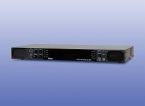
Why audio monitoring matters in video workflows
In a video environment, sound quality problems can be difficult to detect if the monitoring chain is weak or inconsistent. Issues such as distortion, channel imbalance, hum, clipping, low dialogue clarity, or delayed audio can affect the final result even when the picture looks correct. A dedicated monitoring stage helps technical teams identify these problems earlier.
This is especially relevant in facilities that handle recording, live switching, playback verification, post-production, or signal distribution. An audio monitor gives engineers and operators a practical way to assess the real listening condition of a source instead of relying only on meters or software indicators.
What an audio monitor is used for
An audio monitor in a video-related setup is typically used to listen to program audio, confidence audio, or selected channels from a broader AV chain. Depending on the installation, it may support routine quality checks, source comparison, troubleshooting, or final review before transmission or playback.
These systems are often used wherever teams need a quick and reliable listening reference. In some workflows, the monitor is paired with processing or routing equipment so users can evaluate decoded sources, compare outputs, or confirm that an amplified signal remains clean. If your application also involves signal conversion, it may be useful to review related equipment such as a video decoder as part of the wider monitoring chain.
Typical installation environments
Audio monitoring products in this category can support a range of professional and industrial use cases. Common examples include broadcast control rooms, editing stations, media labs, event production systems, training rooms, and technical inspection benches for AV equipment. In each case, the objective is similar: provide a consistent point of reference for listening.
Some setups prioritize operator convenience and compact integration, while others focus on room coverage or localized listening at a workstation. In audience-facing or assisted-listening style environments, related devices such as a chair style speaker may serve a different role from a dedicated monitor, but they can still be part of the same broader AV ecosystem.
How to choose the right audio monitor
Selecting the right unit starts with the actual monitoring task. Buyers should consider whether the device will be used for confidence monitoring, detailed quality assessment, operator cueing, or integration into a larger video review system. The expected listening distance, installation space, and surrounding noise level also affect the best fit.
It is also helpful to think about signal path compatibility and system architecture. For example, some applications require simple local audio verification, while others need coordination with distribution or powered output stages. When the monitoring point sits after gain control or speaker-driving equipment, an audio amplifier for video systems may be a relevant companion category to review.
From a procurement perspective, teams often compare products based on mounting style, ease of operation, interface suitability, and how well the unit fits into existing control-room procedures. A good choice is usually one that supports repeatable monitoring conditions rather than one that simply delivers more output.
Integration within a professional AV system
Audio monitoring should be viewed as one part of a broader signal assurance process. In practical deployments, it may sit alongside switching, decoding, amplification, routing, and display equipment. That makes it easier to confirm that both picture and sound are being handled correctly at each important point in the chain.
For system designers and maintenance teams, this category is particularly relevant when building dependable review positions or troubleshooting stations. A properly integrated monitoring point can speed up fault isolation, reduce the chance of missed audio errors, and support more confident operational decisions during live or recorded production.
Buying considerations for B2B users
B2B buyers often need more than a standalone device. They may be sourcing for a new installation, replacing aging equipment, standardizing multiple rooms, or building a complete technical rack. In these cases, it helps to evaluate audio monitors not only by function, but also by deployment practicality, service access, and compatibility with adjacent equipment categories.
Consistency is another important factor. When multiple operators work across different stations, using appropriate audio monitoring equipment can improve review accuracy and reduce subjective differences between listening positions. This is particularly valuable in controlled environments where repeatability matters.
Finding the right category for your application
This category is intended for users who need equipment specifically related to listening and verifying audio in video-oriented systems. If your requirement is broader than monitoring alone, it may be worth comparing nearby categories to define the right solution path. For example, users focused on this function can continue browsing audio monitor products for video applications and narrow their options based on the intended workflow.
When audio quality needs to be checked reliably inside a professional video chain, the right monitoring setup can make a measurable difference. A well-chosen solution supports clearer evaluation, faster troubleshooting, and more dependable system performance across production, post-production, and technical review environments.
-
-
-
-
-
-
-
-
-
-
-
-
-
-
-
-
-
-
-
-
-
-
-
-