
Water Flow Meters
Accurate flow data is essential anywhere water is transferred, dosed, circulated, or monitored. In industrial utilities, water treatment, laboratory systems, irrigation, and process skids, the right meter helps operators verify consumption, balance process performance, and detect abnormal conditions before they become larger operating problems.
Water Flow Meters in this category support a wide range of measurement tasks, from simple visual indication to more application-specific monitoring solutions. Depending on the installation point and the level of control required, buyers may be looking for a compact inline device, a local indicator, a velocity-based instrument, or supporting tools for setup and data handling.
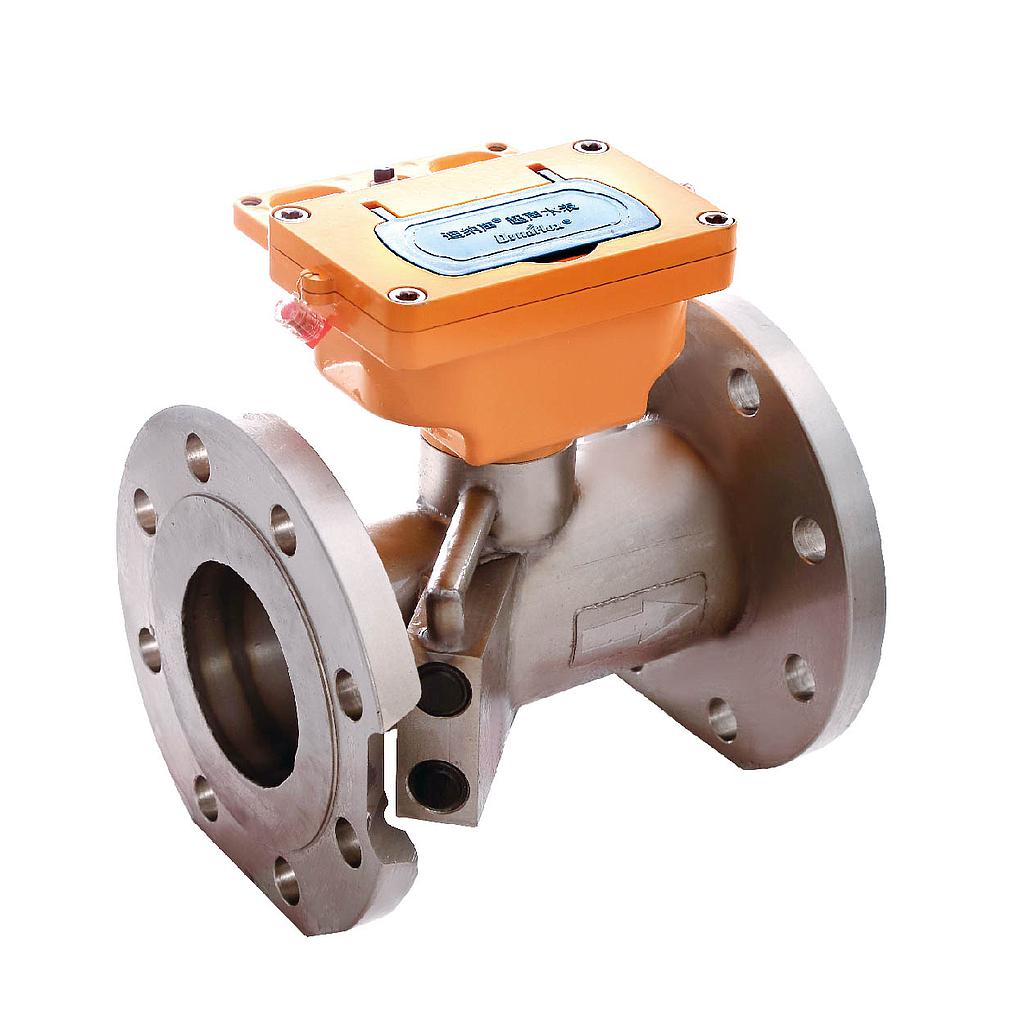
Where water flow meters are used
Water flow measurement appears in many B2B environments because water is rarely just a utility line. It may be part of a cooling loop, a wash system, a dosing process, a laboratory experiment, a tank transfer line, or an agricultural spraying setup. In each case, the measurement goal can be slightly different: tracking total use, checking whether flow is present, confirming a target rate, or feeding data into a wider control system.
This is why the category includes more than one device style. Some applications need a straightforward local reading, while others benefit from meters that integrate with controllers, communication interfaces, or software. If your application depends on conductive liquid measurement in fixed pipework, it may also be worth reviewing electromagnetic flow meters as part of the selection process.
Common device types within this category
Water flow meters can be selected by measurement principle, mounting arrangement, and required output. Mechanical and indicating designs are often chosen for simple observation and routine monitoring. Velocity-based instruments are useful where flow speed must be measured directly, while application-specific inline meters can support dosing or controlled liquid distribution.
For example, the Armfield H33 propeller velocity flowmeter is suited to scenarios where flow velocity is an important parameter in experimental or teaching environments. By contrast, Burkle flow indicators are more aligned with visual confirmation of movement in a liquid line, especially where chemical resistance and simple observation matter. If your project is focused specifically on visual readout devices, you can explore related indicating flow meters for additional options.
How to choose the right water flow meter
A good selection starts with the basics: expected flow range, line size, pressure, liquid compatibility, installation method, and whether the meter must provide only local indication or a usable signal for automation. In practice, flow range matching is one of the most important steps. A meter that is too large for the actual operating range may not deliver the resolution or responsiveness needed for stable process control.
Models from Arag illustrate this point well. The ORION WR Wide Range flowmeter series covers different operating windows such as 0.3 ÷ 100 l/min and 0.5 ÷ 200 l/min, while the ORION MULTIFLOW line addresses lower or medium flow bands such as 0.3 ÷ 6 l/min, 1 ÷ 20 l/min, and 2.5 ÷ 50 l/min. For buyers working on dosing, spraying, or controlled distribution of water-based liquids, this kind of range differentiation is often more useful than choosing by brand alone.
It is also important to consider pipe material, mounting constraints, and whether the installation is permanent or temporary. In some systems, a compact inline solution is preferred; in others, a non-intrusive or sensor-based approach may make more sense. Where turbine-style or rotational sensing is relevant, related paddlewheel flow meters can provide useful comparison points.
Manufacturers and solution styles represented
This category brings together recognized suppliers serving different segments of industrial water measurement. Arag is relevant for flow measurement in controlled liquid handling and application equipment, while Armfield is well known in educational and technical training environments where demonstration and repeatable measurement are important. Gems Sensors & Controls appears in more general industrial instrumentation contexts where flow sensing and control functions need to fit into broader machine or process designs.
PCE adds value on the data side with tools such as the PCE SOFT-PCE-TDS Software, which is intended for programming, reading, and archiving measurement data. That kind of accessory matters when users need traceability, configuration support, or a more structured workflow around portable or specialized measuring instruments. Burkle products, meanwhile, fit use cases where simple flow indication and material compatibility are key practical concerns.
Beyond the meter: accessories, interfaces, and supporting components
Flow measurement performance depends not only on the meter itself but also on how the complete installation is put together. Cabling, software, signal interfaces, mounting parts, and compatible fittings all influence commissioning time and day-to-day usability. In many projects, these supporting items are what turn a basic instrument into a workable measurement point.
The PCE software package is a good example of an ecosystem component rather than a standalone meter. It supports programming, data reading, and archiving, which can be useful in maintenance, inspection, and reporting workflows. For buyers building a complete setup, it can be helpful to review flow measurement accessories alongside the main instrument selection.
Selection factors for industrial buyers
In B2B purchasing, the best option is usually the one that fits the application with the least integration risk. Check whether the meter will be used for continuous operation, periodic verification, pilot-scale testing, or operator-only observation. Then compare the required pressure rating, wetted materials, available connection style, and the way results need to be read or transmitted.
System compatibility is especially important when the meter is part of a larger skid or automation package. A water line may also include valves, dosing hardware, alarms, and level monitoring, so the chosen instrument should align with the rest of the control concept. For systems that need coordinated regulation as well as measurement, related flow control components such as flow valves may also be part of the overall design path.
Finding a practical fit for your application
The most effective way to narrow down water flow meters is to start with the operating condition rather than the catalog structure. Define the real flow window, installation environment, and whether you need indication, monitoring, or data integration. That approach makes it easier to compare options such as Arag flowmeters for controlled liquid delivery, Armfield velocity measurement solutions, Burkle indicators for visual checking, or industrial instruments from Gems Sensors & Controls.
With the right match, a water flow meter becomes more than a reading device—it supports process stability, maintenance visibility, and more confident system operation. Explore the available products in this category to identify the model and measurement approach that best fit your water application.
-
-
-
-
-
-
-
-
-
-
-
-
-
-
-
-
-
-
-
-
-
-
-
-