

Specialized Illumination equipment
In many inspection, laboratory, and optical workflows, the quality of the light source directly affects what can be detected, measured, or verified. Choosing the right illumination setup is not only about brightness; it also involves wavelength, power architecture, lamp compatibility, and how the device fits into a broader testing system. This is where Specialized Illumination equipment becomes important for technical users who need controlled and application-specific light output.
Within industrial and scientific environments, these products are used to support tasks such as UV-based observation, optical analysis, instrument servicing, and integration into dedicated lamp-driven systems. Rather than serving as general-purpose lighting, they are designed for environments where stable optical performance and correct electrical matching matter.
Where specialized illumination equipment fits in
This category typically supports applications where light is part of the measurement or inspection process itself. That can include ultraviolet illumination for observation, replacement light modules for optical instruments, or power supplies intended to drive specific lamp types under controlled conditions.
Compared with standard lighting products, application-specific illumination is selected according to operating wavelength, electrical requirements, and the instrument or process being supported. In practical terms, that means engineers and buyers often evaluate both the lamp and the supporting electronics together rather than sourcing them separately without reference to system compatibility.
Typical product types in this category
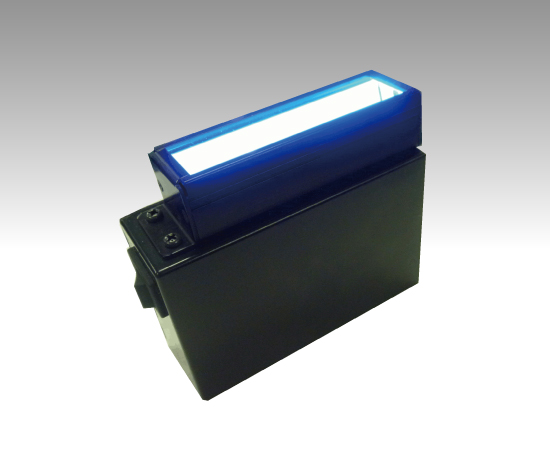
The product range represented here includes both light-emitting components and the power hardware required to operate them. For example, the ATAGO RE-1172 Light Source Lamp (LED) illustrates the role of a replacement or service light source in an established instrument ecosystem, where maintaining correct illumination is essential for consistent operation.
Another example is the Analytik Jena 3UV-38 UVP 3UV Multi-Wavelength Lamp, which provides multiple UV wavelengths in one unit. Equipment of this kind is relevant when users need flexibility across several ultraviolet ranges instead of relying on a single fixed wavelength source.
The category also includes dedicated lamp power solutions from BHK, including AC and DC power supplies for Hg, Zn/Cd, and Grid lamp configurations. These products play a supporting but critical role in specialized illumination systems because the performance and safe operation of many lamps depend on correctly matched electrical drive conditions.
Why wavelength and lamp type matter
One of the most important selection criteria is wavelength suitability. In UV and optical work, the light source must match the target application, whether the goal is highlighting surface response, supporting fluorescence-related viewing, or enabling a specific inspection step. A multi-wavelength option such as the 3UV-38 UVP lamp can be useful when a process benefits from access to 254, 302, and 365 nm ranges in a single device.
Lamp chemistry or lamp type is equally important when choosing compatible power hardware. The BHK range in this category includes versions designed for Hg, Zn/Cd, and Grid lamps, which indicates that the power supply should be selected according to the lamp technology being used rather than by voltage alone. This is especially relevant in OEM or maintenance environments where replacing one component with a superficially similar unit may not deliver the same operating behavior.
AC and DC power options for integrated systems
For many technical buyers, the real decision is not just which lamp to use, but whether the application requires a stand-alone AC power source or a DC input solution for system integration. BHK AC power supplies in this category are intended for stand-alone use cases, while the DC models are more aligned with chassis-mount integration in OEM equipment.
Examples such as BHK 68-0026-01, 68-0026-02, and 68-0026-03 show how the same lamp family may be supported with 12 VDC, 24 VDC, or 48 VDC input options. This kind of variation matters when the illumination assembly must fit an existing electrical architecture inside analytical instruments, industrial enclosures, or custom-built optical systems.
On the AC side, models such as BHK 90-0005-01, 90-0005-02, and 90-0003-02 demonstrate that input range, output characteristics, and lamp type all influence the correct choice. For procurement teams, this reinforces the need to confirm compatibility with the installed lamp and the target operating environment before replacement or new integration.
How to choose the right specialized illumination equipment
A practical selection process usually starts with the application: inspection, optical alignment, UV observation, or instrument maintenance. From there, buyers can narrow the options by checking the required wavelength or lamp type, the available power input, and whether the item is a light source, a replacement lamp component, or a dedicated power supply.
It is also useful to distinguish between stand-alone and embedded use. If the unit will be integrated into an OEM platform, form factor and DC input can be more important than in a bench setup. If the goal is service replacement, maintaining compatibility with the existing instrument design is often the top priority.
- Confirm the required light spectrum or wavelength range.
- Match the power supply to the lamp type, not just the input voltage.
- Check whether the application needs stand-alone operation or chassis mounting.
- Consider maintenance and replacement needs within the broader instrument system.
Related optical and measurement equipment
Specialized illumination is often only one part of a complete inspection or testing workflow. Depending on the task, users may also work with a light meter to verify intensity, or a UV meter when ultraviolet output needs to be monitored more directly.
In other optical setups, categories such as color sensors can complement illumination hardware by helping detect response under controlled lighting conditions. These related tools are often evaluated together when consistency, repeatability, and traceable optical performance are important to the process.
Representative manufacturers in this category
This category includes products from manufacturers such as Analytik Jena, ATAGO, and BHK. Each serves a somewhat different role within the illumination ecosystem, from instrument-related light source components to UV lamps and lamp power supplies for specialized applications.
For buyers comparing options, the most useful approach is to focus less on brand name alone and more on functional fit: optical output, electrical compatibility, mounting style, and intended operating context. That is particularly important in B2B purchasing, where illumination components are often part of a larger analytical, inspection, or OEM system.
Finding the right fit for technical procurement
When sourcing specialized illumination equipment, the best results usually come from treating the light source and its drive requirements as part of one system. A UV lamp, a replacement LED light source, and a dedicated AC or DC power unit solve different problems, even when they all fall under the same category.
By comparing wavelength needs, lamp technology, and installation constraints, buyers can narrow the selection to products that make sense for real operating conditions. Whether the need is a service replacement like the ATAGO RE-1172, a multi-wavelength UV solution from Analytik Jena, or a BHK power supply matched to a specific lamp type, this category supports applications where controlled illumination is a functional requirement rather than a simple accessory.
-
-
-
-
-
-
-
-
-
-
-
-
-
-
-
-
-
-
-
-
-
-
-
-