

Heating/water Bath Repair Service
Stable temperature control is essential for many laboratory workflows, from sample preparation and viscosity testing to incubation and gentle heating. When a bath starts drifting from setpoint, heating unevenly, failing to circulate properly, or showing controller faults, repair support becomes more practical than continued downtime. This page covers Heating/water Bath Repair Service for laboratory users who need a clear path to restore equipment performance and extend service life.
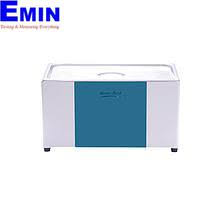
Why timely repair matters for heating and water baths
Water baths and thermal baths are often used in processes where temperature consistency directly affects repeatability. Even small deviations can influence test conditions, sample stability, or process timing, especially in quality control, R&D, and routine laboratory work.
A professional repair service helps address faults before they develop into larger failures. Common issues may include unstable heating, damaged sensors, control panel errors, power problems, worn components, or performance changes caused by long operating hours. Early intervention can reduce unplanned interruptions and help maintain confidence in daily lab operation.
Typical service scope for laboratory bath equipment
Heating and water bath repair usually focuses on restoring the unit’s ability to reach, hold, and regulate temperature safely. Depending on the condition of the equipment, service work may involve fault diagnosis, inspection of heating and sensing elements, controller assessment, electrical checks, and replacement of damaged parts where appropriate.
For laboratories running multiple thermal devices, service planning also benefits from considering related equipment support. In some facilities, repair demand may overlap with systems such as rotary evaporator repair service when temperature-controlled workflows are part of the same process chain.
Equipment types and supported manufacturer examples
This category is relevant for standard laboratory water baths as well as oil thermal bath equipment used in controlled heating applications. Different designs may vary in chamber construction, temperature control architecture, safety functions, and intended operating range, so repair needs should be assessed according to the actual unit condition rather than a one-size-fits-all checklist.
Examples in this category include the MEMMERT product line, along with service references such as MEMMERT Water Bath Repair Service and MEMMERT Oil Thermal Bath Repair Service. Other representative manufacturer-specific service examples include BROOKFIELD Water Heating Bath Repair Service, IKA Water Bath Repair Service, WITEG Water Bath Repair Service, Cometech Water Bath Repair Service, DaiHan Water Bath Repair Service, Yamato Water Bath Repair Service, Benchmark Water Bath Repair Service, KMT Water Bath Repair Service, and SH Scientific Water Bath Repair Service.
Common signs that a bath unit may need repair
Some failures are obvious, such as a unit that does not power on or no longer heats. In many cases, however, the warning signs appear gradually: slower warm-up, inconsistent temperature recovery, unusual noise, intermittent display behavior, or recurring alarms. These symptoms can indicate problems in the heating circuit, sensor feedback, control electronics, or internal wiring.
Visible wear should also not be ignored. Corrosion, fluid-related contamination, degraded seals, and signs of overheating may all affect reliability over time. If the bath is used alongside controlled storage devices, labs may also want to review broader maintenance needs such as pharmacy refrigerators repair service to keep temperature-critical equipment in working condition across the facility.
How to choose the right repair approach
The most effective repair path starts with a clear understanding of the problem: whether the issue is related to heating performance, temperature stability, safety shutdowns, display and controls, or general electrical reliability. Sharing the model, symptoms, operating history, and any observed fault behavior can help streamline diagnosis and reduce back-and-forth during service intake.
It is also useful to consider the equipment’s role in your workflow. A bath used for routine daily preparation may require fast restoration to minimize disruption, while an application involving validated or tightly controlled procedures may require closer review after repair before returning the unit to operation. In both cases, the goal is not simply to power the equipment back on, but to restore safe and consistent operation.
Repair support across common laboratory brands
Many laboratories operate mixed fleets, so brand familiarity matters. This category includes repair references tied to established manufacturers such as BROOKFIELD, IKA, MEMMERT, Yamato, Benchmark, Cometech, DaiHan, KMT, SH Scientific, and WITEG. Brand-specific service pathways can help when equipment uses distinct controller layouts, heating assemblies, or manufacturer-specific construction.
For example, a BROOKFIELD water heating bath may be part of a viscosity or materials testing workflow, while units from IKA, Yamato, or MEMMERT may be used in broader laboratory preparation and thermal processing tasks. Mentioning the exact equipment family during service inquiry helps align the repair process with the actual application and equipment design.
When repair should be coordinated with other lab equipment service
Heating and water baths rarely operate in isolation. In many labs, they support sample handling, preparation, sterilization, extraction, or environmental conditioning steps that involve other instruments and enclosures. Coordinating service windows can reduce disruption, especially where multiple devices are due for maintenance at the same time.
For laboratories with regulated workflows or contamination-control requirements, it may also make sense to align bath service with related support such as biosafety cabinet repair service. This broader view helps keep the lab functional, rather than restoring one device while another bottleneck remains unresolved.
Practical information to prepare before requesting service
Before arranging repair, it helps to gather the unit model, manufacturer name, observed symptoms, and a short description of when the problem occurs. If the issue appears only during heat-up, at steady state, or after extended runtime, that detail can be useful during troubleshooting. Photos of the unit condition or screen messages may also support a faster initial assessment.
If your equipment belongs to a known service example in this category, such as MEMMERT Oil Thermal Bath Repair Service, BROOKFIELD Water Heating Bath Repair Service, or Yamato Water Bath Repair Service, that reference can make communication more precise. The same applies to standard water bath units from WITEG, Cometech, IKA, SH Scientific, DaiHan, Benchmark, and KMT.
Final considerations
A reliable heating or water bath supports repeatable laboratory work, but performance issues can easily go unnoticed until they begin affecting results or throughput. Choosing a suitable laboratory bath repair pathway helps restore temperature control, improve operational safety, and reduce unnecessary equipment replacement.
If you are reviewing options for a faulty or unstable unit, this Heating/water Bath Repair Service category is intended to help you identify relevant support for common laboratory brands and bath configurations. A clear description of the fault, paired with the correct equipment reference, is usually the best starting point for efficient service handling.
-
-
-
-
-
-
-
-
-
-
-
-
-
-
-
-
-
-
-
-
-
-
-
-