

Flouscent lamp tester repair service
When a fluorescent lamp tester starts giving unstable readings, fails to trigger properly, or no longer reflects actual lamp condition, maintenance decisions become less reliable and troubleshooting takes longer. In production, inspection, and electrical maintenance environments, timely repair helps restore confidence in the test process and reduces the risk of misjudging lamps, ballasts, sockets, or related circuits.
Flouscent lamp tester repair service is intended for users who need their equipment returned to dependable working condition rather than replaced unnecessarily. A structured repair process can help identify faults in measurement sections, switching circuits, display behavior, connectors, or power-related components, while also checking whether the tester still performs consistently for practical field or bench use.
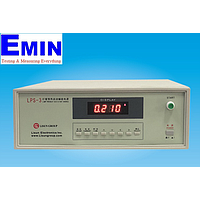
Why repair a fluorescent lamp tester instead of replacing it immediately?
Many electrical testing instruments remain valuable for years if the core platform is still suitable for the job. Repair is often a practical option when the tester has developed functional problems such as power-up failure, intermittent operation, inaccurate indication, damaged terminals, or unstable test response, but the device is still relevant to the maintenance workflow.
For B2B users, repairing an existing unit can also support continuity. Technicians already know the instrument, procedures do not need to change, and internal documentation or work instructions can stay aligned with the same tester format. This is especially useful where fluorescent lamp testing is part of routine inspection, fault finding, or incoming equipment checks.
Common issues seen in fluorescent lamp tester repair
Testers in this category can be affected by wear from repeated handling, transport, storage conditions, and electrical stress during daily use. Typical service cases include units that do not switch on, controls that no longer respond correctly, connectors with poor contact, abnormal display behavior, or readings that fluctuate without clear reason.
Another common concern is measurement stability. If the tester responds inconsistently to the same lamp or circuit condition, users may struggle to separate actual lamp faults from instrument faults. Repair work usually focuses on isolating the root cause, restoring normal operation, and checking whether the unit behaves consistently after corrective action.
What a repair service typically covers
A professional repair workflow usually begins with fault evaluation. This involves confirming the reported symptom, inspecting visible damage, and checking the instrument’s main functional sections. Depending on the condition of the unit, service may include component-level troubleshooting, replacement of failed internal parts, connector repair, switch or interface restoration, cleaning of affected assemblies, and verification of overall operation.
In many cases, the goal is not just to make the unit power on again, but to recover reliable test performance. That means the repaired tester should be checked for normal response, stable operation, and practical usability in the context it was designed for. Where related electrical test equipment is also part of the same maintenance program, users may want to review support options such as withstand voltage test repair service for high-voltage verification tools used alongside insulation and safety checks.
Who typically needs this service?
This type of repair service is relevant to maintenance teams, laboratories, inspection providers, educational facilities, utilities, and industrial organizations that still work with fluorescent lighting systems or supporting electrical test routines. It is also useful for service departments that depend on consistent tester availability to avoid delays in troubleshooting and verification tasks.
Organizations managing several kinds of electrical test instruments often prefer a centralized repair approach. If your maintenance scope includes additional testers beyond lamp-related devices, it may be practical to review adjacent services such as low resistance meter repair or breaker testing equipment repair as part of a broader equipment support plan.
How to prepare a tester for service
Before sending a unit for repair, it helps to document the exact fault symptoms as clearly as possible. Useful details include whether the issue is constant or intermittent, how the failure appears during operation, whether the problem started after transport or storage, and whether any accessories, probes, or cables may also be involved. Clear fault descriptions often shorten diagnosis time.
It is also good practice to send the unit in a condition that reflects the actual problem without unnecessary modifications. If certain lamps, fixtures, or use conditions trigger the fault more clearly, noting that information can improve the efficiency of the inspection process. For service departments handling a wider range of specialty electrical testers, related support may also be relevant, such as cable fault tester repair service where cable diagnostics are part of the same maintenance environment.
Key points to consider when selecting a repair provider
For industrial and technical buyers, the main question is whether the service can restore the tester to a condition suitable for real work, not simply whether a fault can be temporarily cleared. A capable provider should be able to assess the reported symptom, identify the likely failure area, and communicate the repair scope in a practical way.
It is also worth considering turnaround expectations, handling of aging instruments, and whether the service fits into a broader maintenance strategy for electrical test equipment. Where traceability, downtime control, and repeat service needs matter, a repair partner with experience across multiple tester categories can be easier to work with over time.
Repair service as part of equipment lifecycle management
Repair should be viewed as one part of equipment lifecycle management. For many organizations, keeping an instrument in service is not only a cost decision but also an operational one. A repaired tester can continue supporting inspection routines, maintenance tasks, and troubleshooting workflows while reducing disruption caused by equipment shortages.
At the same time, repeated faults or severe damage may indicate that further evaluation is needed to decide between repair, refurbishment, or replacement. A sensible service approach helps users make that decision based on the unit’s actual condition and application needs rather than assumptions alone.
Final considerations
If a fluorescent lamp tester has become unreliable, arranging the right repair service can help restore dependable operation and extend the useful life of the instrument. The most effective approach is to focus on clear fault reporting, practical diagnosis, and verification of performance after repair.
For businesses that rely on electrical testing equipment across maintenance, inspection, or service operations, a well-managed repair process supports uptime and more consistent results. Flouscent lamp tester repair service is therefore best approached as a technical support solution that helps keep essential test tools working in real-world conditions.
-
-
-
-
-
-
-
-
-
-
-
-
-
-
-
-
-
-
-
-
-
-
-
-