

Titration Equipment Calibration Service
Accurate titration results depend on more than good reagents and a stable method. In routine laboratory work, even small deviations in dosing, endpoint detection, or instrument response can affect concentration calculations, batch release decisions, and quality records. That is why Titration Equipment Calibration Service is an important part of maintaining reliable analytical performance in pharmaceutical, chemical, environmental, food, and research laboratories.
This category is intended for labs that need calibration support for titration systems and related liquid dispensing equipment. Whether the goal is to maintain traceable measurement performance, improve repeatability, or support internal quality procedures, calibration helps confirm that the instrument is working within expected conditions and ready for day-to-day use.
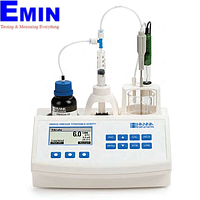
Why calibration matters for titration systems
Titration is widely used for acid-base analysis, redox testing, moisture determination, chloride measurement, and many other laboratory workflows. Because the final result depends on a sequence of mechanical and analytical steps, instrument condition has a direct impact on accuracy. A properly calibrated system helps reduce uncertainty linked to dosing volume, signal response, and repeatability.
For laboratories operating under internal SOPs or regulated quality systems, calibration also supports documentation and audit readiness. It gives users a clearer basis for maintenance planning, troubleshooting, and performance verification over time, especially when the equipment is used frequently or across different operators.
What is typically covered in this service category
This category focuses on calibration services for titration-related laboratory equipment rather than general instrument sales. In practice, this can include calibration support for dedicated titrators as well as connected or related dispensing components used in controlled analytical workflows. The exact calibration scope may vary depending on the instrument design and application.
Representative options in this category include HANNA services such as HANNA Titration Equipment Calibration Service, SI ANALYTICS Titration Equipmen Calibration Service, and YSI Titration Equipment Calibration Service. For labs that also rely on precise reagent delivery or auxiliary dispensing hardware, Malcom Syringe Dispensing System Calibration Service can be relevant within the broader dosing and measurement ecosystem.
Common equipment and brands referenced in this category
Different laboratories standardize on different platforms, so the service offering is organized around widely used manufacturers in the calibration workflow. Examples available here include solutions associated with YSI, HANNA, SI ANALYTICS, and Malcom. Mentioning these brands helps buyers quickly identify calibration paths that are aligned with the equipment already installed in their lab.
For instance, a lab using a HANNA titration platform may look specifically for the HANNA Titration Equipment Calibration Service, while facilities with SI ANALYTICS or YSI systems may prefer a service matched to their installed base. Malcom appears here in the context of syringe dispensing calibration, which can be important where volumetric delivery consistency supports the overall analytical process.
How to choose the right calibration service
When selecting a calibration service, it helps to start with the role of the instrument in your analytical workflow. A production QC lab performing routine assays may prioritize repeatability, documented service records, and minimal downtime. A research or development lab may focus more on confidence in measurement behavior across varying methods and sample types.
You should also consider how the equipment is used: frequency of operation, criticality of the test result, maintenance history, and whether the instrument includes dosing, sensing, or auxiliary dispensing functions. If your lab manages several types of analytical equipment, it may also be helpful to review related service categories such as water bath calibration service or rotary evaporator calibration service to support a more complete maintenance plan.
Benefits for quality control and laboratory operations
A well-managed calibration program does more than confirm instrument status on a given day. It supports measurement consistency across operators, batches, and reporting periods. This is especially valuable in environments where titration data influences release decisions, incoming material checks, or process validation activities.
Calibration can also help identify early signs of drift or mechanical issues before they become larger analytical problems. In practical terms, that can reduce retesting, improve confidence in reported values, and make service planning more predictable. For laboratories coordinating multiple controlled environments, related categories like pharmacy refrigerators calibration service may also be relevant when building a broader quality support framework.
Who typically needs titration equipment calibration
This service category is relevant to laboratories where volumetric analysis plays a routine or critical role. Typical users include pharmaceutical QC labs, chemical processing laboratories, environmental testing facilities, food and beverage labs, academic institutions, and contract testing organizations. In each of these settings, confidence in analytical instruments contributes directly to process control and reporting quality.
It can also be useful for teams managing preventive maintenance schedules across a wider laboratory infrastructure. If your site handles several regulated or performance-sensitive systems, calibration planning may extend beyond titration equipment to other specialized laboratory assets, including areas such as biosafety cabinet calibration service where controlled operating conditions are equally important.
Supporting reliable instrument performance over time
Titration systems are often expected to deliver repeatable results over long operating periods, but performance can change gradually with use, maintenance cycles, and environmental conditions. Scheduling calibration at appropriate intervals helps laboratories keep instruments aligned with internal quality expectations and maintain a documented history of equipment condition.
Within this category, buyers can explore services linked to established manufacturers and practical use cases, including HANNA Titration Equipment Calibration Service, SI ANALYTICS Titration Equipmen Calibration Service, YSI Titration Equipment Calibration Service, and Malcom Syringe Dispensing System Calibration Service. Choosing a service that matches the instrument type and laboratory workflow is the most effective way to support dependable analytical results without overcomplicating the maintenance process.
Conclusion
When analytical results depend on controlled dosing and dependable endpoint measurement, calibration becomes a practical requirement rather than a formality. This category brings together service options for titration-related equipment used in professional laboratory environments, helping teams maintain analytical reliability, support compliance needs, and plan service activities more effectively. If your lab depends on titration for routine testing or critical quality decisions, reviewing the available calibration services here is a sensible next step.
-
-
-
-
-
-
-
-
-
-
-
-
-
-
-
-
-
-
-
-
-
-
-
-