

Polarimeter Calibration Service
Accurate optical rotation measurement is essential wherever product quality, concentration, purity, or identity must be verified in laboratory workflows. When a polarimeter drifts out of tolerance, even small deviations can affect analytical confidence, batch release decisions, and traceability requirements. A professional Polarimeter Calibration Service helps maintain measurement reliability and supports more consistent results in research, pharmaceutical, food, chemical, and educational laboratory environments.
This service category is intended for organizations that need dependable verification of polarimeter performance as part of routine quality control, preventive maintenance, or audit-ready instrument management. Whether the instrument is used daily or only for periodic testing, calibration plays an important role in confirming that readings remain aligned with expected optical rotation values.
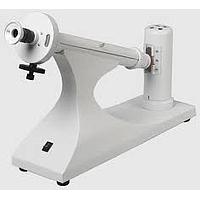
Why polarimeter calibration matters in laboratory practice
A polarimeter is used to measure the rotation of polarized light as it passes through an optically active sample. Because this type of measurement is often tied to product verification and analytical decision-making, calibration accuracy is not just a maintenance concern; it is part of overall laboratory reliability. Regular calibration helps identify drift, reading offsets, or performance inconsistencies before they become larger operational problems.
In regulated or quality-driven environments, documented calibration also helps support internal procedures, equipment control programs, and periodic review of critical analytical instruments. This is especially relevant when polarimeters are used in methods where reproducibility and result confidence are closely monitored over time.
What is typically assessed during a calibration service
Although service scope may vary depending on the instrument and laboratory requirements, polarimeter calibration generally focuses on confirming that the device measures optical rotation correctly across its intended operating range. This may include checks related to reading stability, indication accuracy, and overall instrument response under controlled conditions.
For users managing broader instrument fleets, calibration is often part of a structured program that also covers temperature-controlled and specialty laboratory equipment. In that context, related services such as water bath calibration service may also be relevant when sample preparation conditions can influence analytical consistency.
Suitable applications and industries
Polarimeters are commonly found in laboratories that work with sugar analysis, pharmaceutical substances, chemical formulations, and other optically active materials. In these settings, a well-calibrated instrument supports routine testing, incoming material checks, formulation control, and academic or industrial research tasks where dependable optical rotation data is required.
This service is also relevant for facilities that maintain multiple lab devices under a planned calibration schedule. For example, organizations with contamination-controlled work areas may combine optical instrument calibration with services such as biosafety cabinet calibration as part of a broader laboratory compliance and equipment assurance program.
Service support for ATAGO instruments and similar laboratory needs
Where applicable, users working with ATAGO laboratory equipment may look for calibration support aligned with the practical use of that brand’s optical measurement instruments. One example listed in this category is the ATAGO Polarimeter Calibration Service, which can serve as a reference point for laboratories seeking brand-specific support within a controlled service workflow.
Brand mention should not replace proper service evaluation, however. The more important consideration is whether the calibration process matches the instrument type, usage frequency, recordkeeping requirements, and the quality expectations of the laboratory using it.
How to decide when calibration is needed
The right calibration interval depends on how the polarimeter is used, how critical the measurement is, and how the laboratory manages equipment risk. Instruments used in routine production testing or frequent QC checks may require closer attention than units used only occasionally for teaching or exploratory work. A history of unstable readings, transport, relocation, repair, or long periods of use can also justify recalibration.
Many laboratories build calibration timing around internal SOPs, audit cycles, or preventive maintenance plans rather than waiting for visible measurement issues. This approach is typically more effective because drift in analytical instruments is not always obvious during day-to-day operation.
Points to consider before ordering the service
Before arranging service, it is useful to confirm the instrument model, current condition, operating environment, and any internal documentation requirements. Laboratories may also want to prepare information about how the polarimeter is used, whether there are recurring measurement concerns, and whether post-service records are needed for internal quality files.
If the instrument is part of a larger analytical setup, it may be practical to align service timing with other laboratory devices to reduce disruption. Facilities managing multiple specialized systems sometimes review parallel needs such as rotary evaporator calibration service to simplify scheduling across the lab.
Supporting more reliable measurement over time
Calibration is most effective when it is treated as part of an ongoing equipment management strategy rather than a one-time corrective action. Consistent service intervals, proper instrument handling, suitable operating conditions, and clear documentation all contribute to more dependable long-term performance. For polarimeters, this means better confidence in optical rotation results and fewer uncertainties in analytical workflows.
If your laboratory depends on accurate optical measurement, choosing the right polarimeter calibration support can help protect both data quality and day-to-day efficiency. A well-planned service approach makes it easier to keep instruments ready for use, maintain internal quality standards, and support traceable laboratory operations.
-
-
-
-
-
-
-
-
-
-
-
-
-
-
-
-
-
-
-
-
-
-
-
-