

Biosafety Cabinet Calibration Service
Maintaining a controlled laboratory environment depends on more than daily cleaning and routine checks. When a cabinet is used to protect samples, operators, and the surrounding workspace, periodic verification becomes essential to confirm that airflow performance and containment conditions remain within the intended operating range. That is why Biosafety Cabinet Calibration Service is an important part of laboratory quality control in research, pharmaceutical, healthcare, and testing environments.
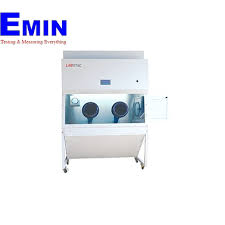
On this page, buyers and laboratory managers can explore service options relevant to biosafety cabinet verification and calibration. The goal is not only to support compliance and operational confidence, but also to reduce the risk of undetected performance drift in equipment that plays a direct role in contamination control and personnel safety.
Why biosafety cabinet calibration matters in laboratory operations
A biosafety cabinet is expected to maintain stable airflow and effective containment during normal use. Over time, however, filters, fans, mechanical components, and operating conditions can affect overall performance. Calibration and verification help confirm that the cabinet is still operating as intended after installation, relocation, maintenance, or routine service intervals.
For many laboratories, this work supports internal quality systems, standard operating procedures, and readiness for audits. It also helps teams identify issues early, before they affect workflows, sample integrity, or safe handling practices. If you are reviewing broader service options for enclosed clean-air equipment, you may also want to see fire safety storage cabinet calibration service for other critical laboratory cabinet types.
What a calibration service typically helps verify
In practical terms, a biosafety cabinet calibration service is intended to check whether key operating conditions remain consistent with the equipment’s functional requirements. Depending on the service scope and laboratory procedure, this may include confirmation of airflow-related performance, operating stability, and overall suitability for continued use in controlled laboratory tasks.
Calibration is especially relevant after events that may influence cabinet behavior, such as filter replacement, relocation, preventive maintenance, or extended use. It gives laboratory teams documented evidence that the unit has been assessed rather than assumed to be performing correctly.
- Verification of cabinet operating condition after installation or servicing
- Support for preventive maintenance and periodic performance review
- Improved confidence in containment performance during laboratory use
- Better alignment with internal QA procedures and inspection requirements
When to schedule calibration for a biosafety cabinet
Laboratories often schedule calibration on a routine basis, but timing also depends on how the cabinet is used and whether changes have occurred in the equipment setup. A cabinet that has been moved, repaired, or returned to service after downtime should be checked before regular operation resumes. The same applies when the unit shows signs of inconsistent airflow behavior or when the lab is preparing for compliance review.
Facilities managing multiple controlled-temperature and process-critical devices often coordinate service intervals across the lab. In those cases, it can be useful to plan biosafety cabinet checks alongside related services such as pharmacy refrigerators calibration or water bath calibration service to simplify maintenance planning.
Representative service options available in this category
This category includes selected service offerings from recognized providers used as examples for buyers comparing available options. Two representative entries are the Labstac Biological Safety Cabinets Calibration Services and the JSR Biological Safety Cabinets Calibration Service. These listings can help procurement teams identify suitable service references for their biosafety cabinet maintenance process.
Where relevant, buyers may also review supplier pages such as Labstac for additional context on available laboratory support services. When comparing providers, it is useful to look beyond the service name and consider service scope, documentation practices, scheduling responsiveness, and fit with the laboratory environment.
How to evaluate the right service for your facility
Choosing a calibration service should start with the actual operating requirements of the laboratory. Consider the type of work performed in the cabinet, the frequency of use, the age and service history of the equipment, and the level of documentation required by your internal system. A service that fits a low-utilization testing room may not be sufficient for a high-throughput pharmaceutical or microbiology environment.
It is also important to confirm whether the service is intended for routine scheduled verification, post-maintenance checks, or support before qualification and audit activities. In procurement terms, the best fit is usually the one that aligns clearly with your workflow, maintenance schedule, and quality documentation needs rather than simply the broadest-sounding service title.
Biosafety cabinets within a wider laboratory calibration program
Biosafety cabinets are only one part of a larger controlled laboratory ecosystem. Reliable performance across storage, heating, evaporation, and containment equipment helps laboratories maintain consistency across processes and reduce operational interruptions. For facilities building a broader calibration plan, related categories such as rotary evaporator calibration service may also be relevant depending on the application.
Taking a structured view of calibration planning can improve service coordination, equipment uptime, and traceability across departments. This is particularly useful for laboratories that manage mixed equipment fleets and need a more organized approach to inspection, maintenance, and verification.
Supporting safer and more consistent laboratory performance
A well-planned calibration service helps laboratories maintain confidence in biosafety cabinet operation over time. Whether the need is driven by routine maintenance, post-service verification, or internal quality requirements, selecting the right service category is a practical step toward safer and more stable laboratory workflows.
Use this category to review relevant service options, compare representative providers, and identify support that matches your facility’s operating conditions. For laboratories where containment equipment is part of daily critical work, regular attention to biosafety cabinet performance remains an essential part of responsible equipment management.
-
-
-
-
-
-
-
-
-
-
-
-
-
-
-
-
-
-
-
-
-
-
-
-