

Precision Scale Repair Service
When a laboratory, production line, or quality control area depends on accurate weighing, even a small drift can affect batching, documentation, and final product consistency. Precision Scale Repair Service is intended for cases where a precision balance or scale no longer performs as expected, whether the issue appears as unstable readings, response delays, display errors, or repeatability problems.
In many environments, repair is not only about fixing a fault. It is also about restoring reliable measurement performance so the equipment can return to daily use with less risk of weighing error, process interruption, or unnecessary replacement cost.
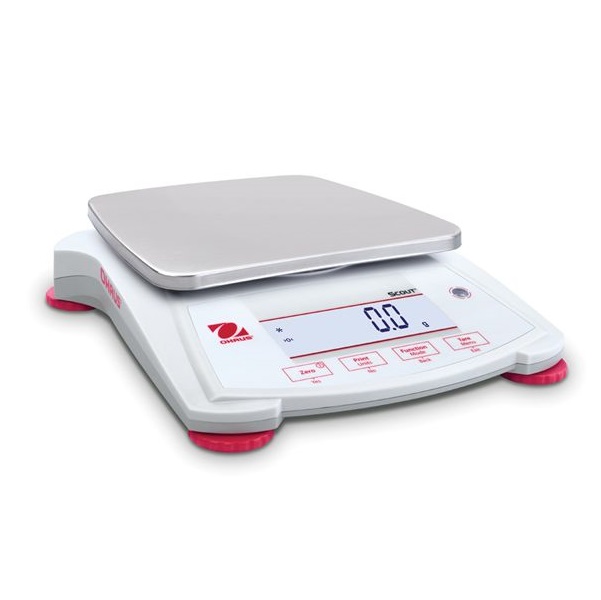
Why precision scale repair matters
Precision scales are used in applications where measurement resolution and consistency directly influence work quality. In laboratories, they support sample preparation and formulation tasks. In industrial settings, they help control dosing, component verification, and incoming or outgoing material checks.
Because these instruments are designed for high-resolution weighing, they can be affected by mechanical wear, sensor issues, environmental stress, accidental overload, or electronic faults. A proper repair process helps identify the actual cause of performance loss instead of treating every issue as a simple recalibration problem.
Common issues seen in precision scales
Repair requests often begin with symptoms that seem minor at first but become more disruptive over time. Examples include drifting values after warm-up, unstable display behavior, zero return problems, keypad or screen faults, and inconsistent measurement results between repeated weighing cycles.
In some cases, the source of the problem may involve the weighing mechanism, internal electronics, power supply behavior, or communication between components. If your application uses a different weighing format, related services such as floor scale repair or crane scale repair may be more relevant for heavier-duty systems.
Typical scope of service
A precision scale repair service generally starts with inspection and fault diagnosis. This step is important because the same symptom can come from different causes. For example, unstable readings may be linked to sensor response, internal contamination, mechanical interference, damaged connectors, or control board issues.
Once the fault is identified, repair work may involve restoring or replacing affected parts, checking overall operation, and verifying whether the scale returns to normal functional behavior. For users handling highly sensitive moisture-related weighing workflows, a dedicated moisture analyzer repair service may also be worth considering where the equipment category differs from a standard precision scale.
Supported brands and product examples
This category covers repair needs across a range of well-known weighing equipment brands. Typical examples include service support related to Mettler Toledo, AND, OHAUS, KERN, CAS, ELCOMETER, RADWAG, YOKE, AXIS, and Benchmark equipment where applicable to precision scale use cases.
Representative service listings in this category include Mettler Toledo Precision Balance Repair Service, OHAUS Precision Scale Repair Service, AND Precision Scale Repair Service, RADWAG Precision Scale Repair Service, and KERN Digital Scale Repair Service. These examples help show the breadth of supported repair requests without implying that every device shares the same internal design or repair procedure.
How to choose the right repair path
The most suitable service approach depends on the type of instrument, the severity of the fault, and the role of the scale in your process. A compact laboratory balance with reading instability may require different troubleshooting steps than an electronic scale used in a busier production environment. Understanding the symptom history, operating conditions, and frequency of use can shorten diagnosis time.
It also helps to distinguish between routine adjustment, calibration needs, and actual fault repair. If the equipment has suffered impact, overload, liquid exposure, or persistent repeatability errors, a repair-focused service is usually more appropriate than a simple performance check alone.
Applications where fast restoration is important
Precision weighing is often tied to workflows that cannot tolerate long downtime. This includes research labs, pharmaceutical handling, electronics assembly, food formulation, educational laboratories, and industrial quality inspection. In these settings, a scale that remains in service but produces unreliable values can create larger problems than a unit that is clearly out of order.
A structured repair service helps reduce that risk by focusing on measurement reliability, not just visible functionality. Restoring stable and repeatable weighing behavior is especially important when records, traceability, or process consistency depend on every reading.
When to request service
It is usually worth arranging an inspection when the scale shows unstable readings, frequent zero drift, slow settling time, keypad failure, display abnormalities, or measurement differences that cannot be explained by normal operating conditions. Early intervention can prevent further damage, especially if the issue is caused by overload, contamination, or internal component degradation.
If your equipment belongs to a neighboring category rather than this one, it is better to select the matching service page from the start. That makes the repair request more relevant to the instrument design and the expected operating range.
Conclusion
Choosing a professional Precision Scale Repair Service is ultimately about restoring dependable weighing performance for real working conditions. Whether the issue affects a laboratory balance, a digital precision scale, or a brand-specific unit from manufacturers such as Mettler Toledo, OHAUS, AND, KERN, or CAS, the right repair path starts with clear diagnosis and a service scope that matches the instrument.
For buyers comparing repair options, the most practical approach is to look at the equipment type, observed symptoms, and required level of weighing accuracy. That makes it easier to select a service that supports stable operation, minimizes disruption, and keeps critical weighing tasks on track.
-
-
-
-
-
-
-
-
-
-
-
-
-
-
-
-
-
-
-
-
-
-
-
-