

Tachometer Calibrator Repair Service
When a tachometer calibrator starts giving unstable readings, slow response, or questionable output, it can affect much more than a single test point. In maintenance labs, production environments, and field verification work, reliable rotational speed calibration is essential for confirming the performance of tachometers and related instruments. A professional Tachometer Calibrator Repair Service helps restore measurement confidence and keeps calibration workflows accurate and repeatable.
Repair work in this area is not only about fixing a unit that no longer powers on. It also involves addressing drift, display issues, signal instability, connection faults, worn components, and performance problems that can compromise speed verification tasks. For organizations that depend on dependable RPM measurement and simulation, service support is a practical part of instrument lifecycle management.
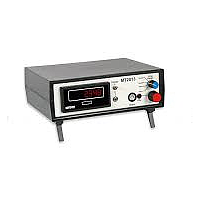
Why tachometer calibrator repair matters
Tachometer calibrators are used to verify, simulate, or support the testing of instruments that measure rotational speed. In applications where machinery condition, motor speed, spindle performance, or process equipment must be checked accurately, even a small error can create unnecessary troubleshooting, failed verification results, or incorrect maintenance decisions.
A proper repair service helps recover measurement reliability by identifying the root cause of the fault instead of only treating visible symptoms. This is especially important when an instrument appears to function normally but produces inconsistent readings under real operating conditions. In many cases, restoring stable performance is just as important as restoring basic operation.
Common issues seen in tachometer calibrators
Faults can appear in different ways depending on how the instrument is used, stored, and transported. Some units show obvious hardware problems such as power failure, damaged connectors, broken controls, or display malfunction. Others remain operational but develop output instability, intermittent response, or reduced accuracy during calibration work.
Service evaluation typically focuses on the instrument’s core functions, signal path, internal electronics, interface condition, and overall operating behavior. If the device is used regularly in demanding industrial or laboratory environments, wear-related issues may build up gradually and only become visible when repeatability starts to decline.
Typical reasons for repair may include:
- Unstable or drifting speed indication
- Intermittent output or poor signal consistency
- Keypad, switch, or control problems
- Display faults or incomplete readout
- Input and output connection damage
- Power-related startup or shutdown issues
What a repair service generally includes
A structured diagnostic assessment is usually the first step. This helps determine whether the issue is electronic, mechanical, interface-related, or linked to calibration performance. After inspection, the repair process may involve troubleshooting defective sections, replacing failed parts where appropriate, correcting connection issues, and confirming that the unit operates as intended.
For many users, the value of repair is not limited to restoring function. The goal is to return the instrument to a condition suitable for dependable service in calibration routines, maintenance programs, or quality systems. That means the work should support stable operation, practical usability, and confidence in the repaired unit’s role within the broader test setup.
When to send a tachometer calibrator for repair
Some failures are immediate and easy to identify, but others develop gradually. If technicians begin seeing unexplained differences between expected and actual results, repeated setup adjustments, or abnormal behavior across multiple test sessions, repair should be considered before the problem affects more instruments or verification records.
It is often sensible to arrange service when a tachometer calibrator has been exposed to heavy use, accidental impact, storage in unsuitable conditions, or long periods without verification. Early intervention can reduce downtime and prevent a minor fault from developing into broader internal damage. In calibration environments where several instrument types are maintained together, related support such as electrical calibrator repair service may also be relevant.
How repair supports calibration and maintenance workflows
In many facilities, tachometer calibrators are part of a larger instrument ecosystem that includes electrical, process, temperature, and pressure calibration equipment. A fault in one device can interrupt scheduled verification work, delay maintenance activity, and create extra burden for technicians who need traceable and repeatable results. Repair service helps maintain continuity across these workflows.
This is particularly useful for teams managing mixed calibration assets. For example, organizations that also use speed-related or signal-based instruments may benefit from coordinated service planning alongside process signal calibrator repair or pressure comparator repair service. Looking at repair needs across the whole instrument base can simplify maintenance scheduling and reduce unplanned interruptions.
What to consider before choosing a repair service
Not every fault presents the same urgency or the same repair path. Before sending equipment in, it is useful to document the symptoms clearly: whether the unit powers on, what readings are seen, whether the issue is constant or intermittent, and what accessories or setups were used when the problem appeared. Good fault information can speed up diagnosis and make service more efficient.
It is also worth considering the role of the instrument in your operation. If the unit is used in routine verification, production support, or maintenance-critical tasks, the repair outcome should be judged not only by whether it works again, but by whether it is suitable for repeatable calibration work. For companies maintaining a broader range of calibration tools, related options such as dry block and bath calibrator repair may also form part of a more complete service strategy.
Practical benefits of professional repair
A repaired tachometer calibrator can help extend equipment life, reduce replacement pressure, and support better use of existing calibration assets. This can be especially valuable when the instrument still fits the application well and only needs corrective service to return to a dependable working condition.
Professional repair also supports better control of instrument downtime. Instead of replacing equipment prematurely or trying to work around uncertain readings, users can restore the device for continued service in testing, inspection, and maintenance environments. For many B2B users, that means less disruption and more confidence in day-to-day calibration activities.
Conclusion
Reliable speed verification depends on more than having the right instrument on the bench; it depends on that instrument performing consistently when it is needed. A tachometer calibrator that shows unstable behavior, output problems, or signs of drift should be evaluated before those issues affect broader measurement work.
This category brings together support for tachometer calibrator repair with the practical goal of restoring function, stability, and usability. If your equipment is no longer delivering dependable performance, timely repair is often the most effective way to recover confidence in your calibration process.
-
-
-
-
-
-
-
-
-
-
-
-
-
-
-
-
-
-
-
-
-
-
-
-