

Air Dryer Inspection Service
Compressed air quality has a direct impact on process stability, instrument reliability, and product quality. When an air dryer is not performing as expected, excess moisture can lead to corrosion, sensor drift, contamination, and avoidable downtime across industrial systems. A professional Air Dryer Inspection Service helps verify dryer condition, identify early signs of performance issues, and support more consistent operation in critical air and gas applications.
This category is intended for users who need inspection support for air dryer systems used in industrial environments, maintenance programs, and quality-controlled processes. Whether the goal is routine condition assessment, troubleshooting, or inspection planning alongside other gas-related instruments, the service plays an important role in maintaining dependable compressed air infrastructure.
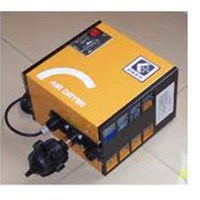
Why air dryer inspection matters in industrial systems
Air dryers are installed to reduce moisture in compressed air lines, helping protect downstream equipment and process integrity. Over time, drying performance can decline because of wear, contamination, leakage, or internal component degradation. If these problems are not detected early, the result may be unstable air quality that affects valves, analyzers, pneumatic devices, and production assets.
A structured inspection helps maintenance and engineering teams assess whether the dryer is still operating within an acceptable condition for its intended use. In many facilities, this is especially relevant where compressed air supports instrumentation, packaging, automation, laboratory utilities, or process lines sensitive to humidity and condensate formation.
What is typically evaluated during an inspection
The exact inspection scope can vary depending on the dryer type and application, but the main objective is to review the equipment’s operational condition and identify issues that could reduce drying efficiency or system reliability. This may include checking visible condition, functional performance, connections, and signs of abnormal operation that deserve further maintenance action.
Inspection services are also valuable because they provide a clearer basis for service planning. Instead of reacting only after a failure occurs, teams can use inspection results to prioritize repairs, schedule preventive work, and reduce the risk of moisture-related problems spreading through the compressed air network.
- Assessment of overall equipment condition
- Review of operating behavior and functional status
- Identification of wear, leakage, or contamination concerns
- Support for maintenance and replacement decisions
Suitable applications for air dryer inspection
This service is relevant in facilities where dry, stable compressed air is required for production continuity or instrument protection. Typical use cases include manufacturing plants, utilities, process industries, workshops with pneumatic equipment, and technical environments where air quality can influence measurement accuracy or equipment lifespan.
It is also a practical option when air treatment performance needs to be reviewed alongside related equipment. For example, users managing broader inspection programs may combine dryer checks with services for gas monitoring or air assessment devices, depending on how compressed air and gas measurement systems interact within the site.
Acore service option in this category
A representative service available here is the Acore Permeation Dryer Inspection Service. This option is suitable for users looking for inspection support focused on permeation dryer applications, where stable dryer performance is important for maintaining air quality and dependable operation.
For organizations that already use equipment or services from Acore, this category can also be a useful starting point for aligning inspection activities with existing maintenance workflows. The goal is not simply to check one device, but to support a more consistent approach to compressed air system care.
How to choose the right inspection service
When selecting an inspection service, it helps to start with the dryer type, the role of the compressed air system, and the consequences of moisture entering downstream equipment. A dryer used in a general utility line may require a different inspection priority than one supporting sensitive instrumentation or quality-critical operations.
It is also worth considering inspection frequency, operating environment, and whether the dryer is part of a larger network of monitored assets. In many cases, the best choice is the service that fits naturally into an existing reliability or compliance program rather than treating the dryer as an isolated component.
If your site also depends on monitoring ambient air conditions, related support such as air quality meter inspection may be relevant. For installations where gas detection is integrated into the same maintenance framework, fixed gas meter inspection can also complement a broader asset care strategy.
Benefits of periodic inspection over reactive maintenance
A periodic inspection approach helps uncover gradual performance loss before it turns into a larger operational issue. This is particularly important in industrial air systems, where moisture problems may remain hidden until corrosion, contamination, or unstable equipment behavior becomes visible elsewhere in the process.
By using scheduled inspection as part of preventive maintenance, companies can improve planning, reduce unexpected interventions, and make better-informed decisions about service timing. In B2B environments, that often means fewer disruptions, better resource allocation, and improved confidence in the condition of critical support equipment.
Supporting a more reliable compressed air environment
Air dryer inspection is not only about the dryer itself. It supports the wider objective of maintaining compressed air reliability across systems that depend on clean, dry air for safe and consistent operation. When inspection findings are used proactively, they can help extend equipment life and reduce downstream maintenance burdens.
For buyers, maintenance teams, and plant engineers comparing service options, this category provides a focused way to evaluate inspection support for industrial air dryer equipment. A well-timed inspection can be a practical step toward better system visibility, fewer moisture-related issues, and more predictable performance over time.
-
-
-
-
-
-
-
-
-
-
-
-
-
-
-
-
-
-
-
-
-
-
-
-