

Surfactant photometer Inspection Service
Reliable measurement is essential when surfactant concentration is used for water analysis, process control, or environmental monitoring. Even when a photometer appears to operate normally, drift in optics, light source stability, sample handling, or reading consistency can affect the result and reduce confidence in day-to-day decisions. This is why a dedicated Surfactant photometer Inspection Service is important for organizations that depend on repeatable analytical data.
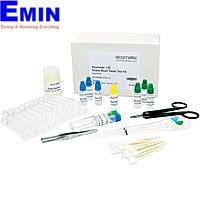
Why periodic inspection matters for surfactant photometers
Photometric instruments used for surfactant analysis are part of a broader measurement workflow, not just standalone devices. Their readings can be influenced by optical performance, reagent condition, measurement cell cleanliness, instrument setup, and handling practices. Regular inspection helps confirm that the instrument remains suitable for its intended use and that measurement results stay within an acceptable level of reliability.
In many industrial and laboratory settings, inspection also supports internal quality control, audit readiness, and traceability. When measurement data is used to evaluate water quality, verify treatment efficiency, or monitor process conditions, a structured review of instrument condition can reduce the risk of unnoticed errors.
Scope of a surfactant photometer inspection service
A practical inspection service typically focuses on the overall condition and measurement performance of the device. This may include checks on basic operation, display and interface status, optical response, reading stability, and whether the instrument behaves consistently under normal use conditions. The goal is not simply to power on the unit, but to assess whether it can continue to support dependable analytical work.
Because photometers are sensitive measurement devices, inspection may also consider factors such as contamination in the optical path, physical wear on sample compartments, and signs of deterioration that could influence repeatability. In B2B environments, this type of review is especially valuable for equipment that is used frequently, shared between departments, or exposed to demanding field conditions.
Typical applications that benefit from inspection
Surfactant measurement can be relevant in environmental testing, wastewater monitoring, chemical processing, cleaning validation, and water treatment activities. In these contexts, a photometer is often expected to provide fast and practical readings for routine control. Over time, however, routine usage can introduce small deviations that are difficult to detect without a proper inspection process.
Periodic service is particularly useful when the instrument supports compliance-related records, customer reporting, or internal acceptance criteria. Organizations that already maintain other environmental measuring devices may also benefit from aligning service intervals across their equipment fleet, including related solutions such as light meter inspection service where optical performance is likewise important.
What to consider when arranging inspection
Before sending a unit for service, it helps to review how the instrument is currently used. Key considerations include the frequency of operation, whether the device is used in the field or in a controlled laboratory, the criticality of the measurement result, and whether the equipment is part of a documented quality system. These points help determine how often inspection should be carried out and how the service should be prioritized.
It is also useful to identify any symptoms observed during use, such as unstable readings, inconsistent blank values, display issues, or unusual response times. Sharing this information in advance can support a more targeted evaluation. For companies managing several analytical devices, a coordinated maintenance plan may also involve related services such as inspection for ion measurement electrodes in water to improve overall measurement control.
How inspection supports data quality and instrument lifecycle
A structured inspection service is not only about identifying faults. It also helps users understand the present condition of the instrument and whether corrective action, maintenance, or closer monitoring may be needed. For technical teams, this can support better planning around downtime, replacement timing, and operational risk.
From a lifecycle perspective, routine inspection can help extend useful service life by identifying wear or performance concerns before they become major failures. For organizations with multiple environmental instruments, combining inspection activities across categories can simplify administration and improve consistency, for example alongside water activity meter inspection service or dew point meter inspection service where dependable readings are also critical.
Suitable users and operating environments
This category is relevant for laboratories, environmental service providers, manufacturing plants, utilities, treatment facilities, and technical departments that rely on photometric analysis as part of routine operations. It is especially suitable where results are recorded for trend monitoring, process adjustment, or reporting to internal and external stakeholders.
Inspection is also a sensible option for equipment that has been in service for an extended period, recently relocated, or returned to use after storage. In these situations, confirming measurement reliability before regular operation can help avoid unnecessary retesting, process disruption, or uncertainty in reported values.
Choosing the right service approach
When selecting a service for a surfactant photometer, the most practical approach is to focus on the intended application rather than on generic service assumptions. A unit used for routine screening may require a different inspection frequency from one supporting regulated testing or critical process decisions. Clear service records, transparent inspection scope, and compatibility with your internal quality procedures are often more important than broad marketing claims.
It is also worth considering how the instrument fits into your wider analytical workflow. If several devices are used together for environmental or water-related checks, planning inspection on a category basis can make service management more efficient and help maintain a more consistent level of instrument confidence across the site.
Final thoughts
Keeping a surfactant photometer in dependable condition is essential when measurement results influence technical decisions, product quality, or environmental monitoring activities. A well-planned inspection service helps verify performance, identify potential issues early, and support more consistent day-to-day use.
If your team depends on stable photometric readings, this category provides a practical starting point for maintaining equipment condition and improving confidence in analytical results over time.
-
-
-
-
-
-
-
-
-
-
-
-
-
-
-
-
-
-
-
-
-
-
-
-