

Manganese Meter Inspection Service
Reliable measurement is essential when manganese concentration is used for water quality control, process monitoring, or environmental compliance. Even a small drift in readings can affect treatment decisions, trend analysis, and the credibility of inspection records. A professional Manganese Meter Inspection Service helps verify that the instrument is operating properly and that measurement results remain consistent with expected performance.
This service is relevant for users working with portable testers, benchtop analyzers, or dedicated water analysis instruments used to monitor manganese in industrial water, wastewater, utilities, laboratories, and environmental applications. Inspection supports day-to-day confidence in the instrument and provides a practical basis for determining whether further calibration, maintenance, or repair may be required.
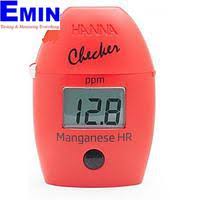
Why manganese meter inspection matters
Manganese is a common parameter in water testing because it can influence water appearance, treatment performance, and downstream equipment condition. When a meter begins to deviate from normal response, the impact may not be obvious at first. Over time, however, inaccurate values can lead to unnecessary process adjustments, missed abnormalities, or unreliable reporting.
An inspection service helps check the overall condition of the instrument, confirm whether the measurement function responds as expected, and identify signs of instability before they become larger operational issues. For organizations that depend on traceable testing workflows, instrument inspection is also an important part of preventive quality control.
Typical situations where inspection is useful
Many users request inspection when readings appear inconsistent between test points, when results no longer align with reference methods, or after long periods of routine use. It is also a sensible step after transport, storage, exposure to demanding field conditions, or whenever the instrument has not been checked for some time.
Inspection is equally useful before internal audits, customer audits, or scheduled maintenance planning. In practice, a verified meter condition reduces uncertainty and helps teams decide whether the instrument can remain in service or should move to calibration, adjustment, or repair. If your site manages multiple environmental measuring devices, related services such as light meter inspection may also be relevant for maintaining a broader measurement program.
What the service generally focuses on
For a manganese meter, inspection typically centers on the operational state of the device rather than promotional feature claims or nonessential specifications. The goal is to evaluate whether the instrument can perform its intended measurement role under normal use conditions. This may include a review of measurement response, display behavior, operating status, physical condition, and other observable points related to functionality.
Depending on the type of instrument, inspection may also help reveal issues linked to sensors, sample handling components, optical sections, or electronic instability. The exact procedure can vary by equipment design, but the broader objective remains the same: assess whether the meter is fit for continued use and whether follow-up action is advisable. This is especially important in workflows where measurement reliability directly affects operational decisions.
Benefits for water quality and process control teams
Inspection provides value beyond a simple pass-or-fail view. For water treatment operators, laboratories, and industrial facilities, it supports more stable monitoring by reducing uncertainty around instrument condition. When a meter is checked at appropriate intervals, teams are better positioned to interpret data trends with confidence and to investigate anomalies more efficiently.
There is also a practical planning benefit. Inspection helps separate equipment that only needs routine attention from equipment that may require deeper service intervention. In a larger environmental monitoring setup, users often manage several specialized devices with different maintenance cycles. For example, facilities that also monitor humidity-related conditions may review services such as dew point meter inspection as part of the same maintenance strategy.
How to prepare a manganese meter for inspection
Before sending an instrument for inspection, it is helpful to record the basic symptom or concern observed during use. Examples include unstable readings, slow response, abnormal display behavior, or differences compared with expected values. This information gives useful context and can make the inspection process more efficient.
Users should also make sure the instrument is clean and safely packed for transport, especially if it has been used in field testing or in wet process areas. If the meter depends on accessories, probes, or sample-related components to operate correctly, providing the relevant parts can help ensure the inspection reflects actual use conditions. Clear identification of the equipment and its current operating issue supports a smoother service workflow.
Inspection within a broader environmental instrument maintenance plan
Manganese measurement is often only one part of a wider environmental or water analysis system. Many sites also monitor ions, water activity, sound, light, or other environmental parameters depending on their application. Managing these instruments separately can create uneven service intervals, while a coordinated inspection approach helps standardize quality control across the site.
For organizations maintaining multiple device types, it can be useful to review nearby service categories such as ion measurement electrode inspection or water activity meter inspection. This makes it easier to align inspection schedules and maintain a more consistent standard of control across environmental measurements.
Choosing the right service for your instrument condition
Inspection is the right starting point when the main need is to verify condition, confirm basic measurement performance, or investigate suspected issues. It is particularly useful when the problem is not yet clearly defined, because the findings can guide the next step more effectively than replacing parts or making assumptions too early.
If the instrument shows signs of physical damage, repeated instability, or obvious failure to operate, the inspection outcome may indicate the need for additional technical service. In that sense, condition assessment is not separate from maintenance planning; it is a practical part of it. A structured inspection process helps reduce unnecessary downtime and supports better decisions about continued operation.
Support more dependable manganese measurement
When manganese data is used to support treatment control, water quality checks, or environmental monitoring, confidence in the instrument matters as much as the measurement itself. A well-timed inspection helps confirm whether the meter remains suitable for service and provides a clearer picture of its current condition.
For teams that want more dependable results, fewer unexpected issues, and better visibility into instrument health, a professional Manganese Meter Inspection Service is a practical step. It supports stable operation, improves maintenance planning, and helps keep water analysis workflows aligned with real operating needs.
-
-
-
-
-
-
-
-
-
-
-
-
-
-
-
-
-
-
-
-
-
-
-
-