

Chromium Meter Inspection Service
Reliable measurement is essential when chromium concentration is used for environmental monitoring, wastewater control, process verification, or regulatory reporting. Even a small deviation can affect treatment decisions, product quality, and compliance records, which is why periodic Chromium Meter Inspection Service is an important part of instrument management in industrial and laboratory settings.
This service is intended for users who need to confirm that their chromium measuring instruments remain suitable for ongoing use. It helps identify drift, response issues, display errors, sensor-related problems, and other conditions that may reduce confidence in measurement results over time.
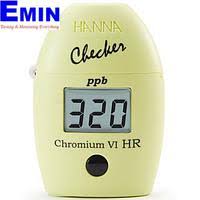
Why inspection matters for chromium measurement instruments
Chromium testing is often tied to water quality assessment, environmental monitoring programs, and industrial discharge control. In these applications, measurement reliability is not just a technical preference; it directly supports traceability, process stability, and sound decision-making.
A professional inspection helps verify the overall condition of the instrument and whether its performance remains consistent with expected use. This is especially valuable for equipment that is used regularly in demanding environments, transported between sites, or exposed to moisture, chemicals, and temperature variation.
What is typically checked during the service
The scope of inspection can vary depending on the meter design and its measuring method, but the goal is the same: to assess whether the instrument is operating correctly and whether its indications can still be trusted for practical work. In many cases, attention is given to measurement stability, display behavior, control functions, and the physical condition of the device.
Inspection may also help reveal issues such as slow response, inconsistent readings, connector wear, housing damage, or signs of aging that could influence normal operation. For users managing quality systems, regular instrument checks also support better maintenance planning and clearer equipment status control.
Where this service is commonly used
Chromium meters are relevant in facilities where water and liquid samples must be monitored for process or environmental reasons. Typical use cases include wastewater treatment, factory utilities, environmental laboratories, plant maintenance teams, and organizations that need to document measurement reliability as part of internal quality procedures.
Because chromium analysis is often one part of a broader environmental measurement workflow, many users also manage inspection schedules for related instruments. Depending on the testing environment, it may be useful to review services for a light meter inspection service or a sound level meter inspection service as part of wider equipment control.
When to consider inspection
Inspection is typically considered at regular intervals, but there are also practical signs that a chromium meter should be checked sooner. These include unstable readings, unusual response time, visible damage, inconsistent results between repeated tests, or concern after the instrument has been stored for a long period.
It is also sensible to schedule inspection after transport, after use in harsh operating conditions, or before the instrument is used for important reporting work. For teams working under internal audits or customer quality requirements, maintaining a consistent inspection cycle helps reduce uncertainty and supports smoother documentation.
How inspection supports maintenance and instrument lifecycle management
A structured inspection service does more than confirm whether a meter powers on and displays values. It contributes to better lifecycle management by helping users decide whether the instrument can remain in operation, whether maintenance is needed, or whether replacement planning should begin.
This is particularly useful in B2B environments where multiple measuring devices are managed across departments or sites. By identifying problems early, inspection can reduce unplanned downtime and improve confidence in routine testing activities. In broader environmental monitoring programs, related services such as water activity meter inspection or dew point meter inspection may also be relevant depending on the application.
Points to prepare before sending a chromium meter for inspection
To make the process more efficient, it is helpful to prepare basic information about the instrument’s current condition, usage frequency, and any symptoms already observed in the field. If the device has shown intermittent faults, unstable values, or specific operating issues, sharing those details can help focus the inspection more effectively.
Users should also confirm whether probes, accessories, cables, or sample-handling components are part of the measuring setup and need to be checked together. Clear identification of the instrument and its usage context can improve service accuracy and reduce delays during evaluation.
Choosing a suitable service for environmental measuring equipment
Not all environmental instruments are used in the same way, so inspection needs should be matched to the actual measuring task and operating conditions. For chromium measurement equipment, the most important consideration is whether the service can support dependable performance for the user’s day-to-day monitoring work, not just a basic functional check.
When selecting a service, it is worth considering the condition of the equipment, the importance of the data it produces, and how the results are used internally or externally. For organizations handling multiple instrument types, a more systematic inspection plan can improve consistency across the full measurement workflow.
Support more confident measurement results
When chromium readings are used to guide treatment processes, verify environmental conditions, or support documentation, confidence in the instrument matters. Regular instrument verification and inspection helps reduce uncertainty, improves equipment control, and supports more dependable operation over time.
This category is suitable for users looking for a practical way to evaluate the condition of chromium measurement equipment within a broader environmental instrument management program. A timely inspection can help maintain usable performance, detect issues earlier, and support more reliable day-to-day measurement work.
-
-
-
-
-
-
-
-
-
-
-
-
-
-
-
-
-
-
-
-
-
-
-
-