

Video borescope, cameras Calibration Service
When image-based inspection tools are used to check hidden cavities, internal surfaces, moving parts, or fast transient events, measurement confidence depends on more than just the device itself. Regular calibration helps verify that a borescope or camera-based inspection system is still performing as expected, which is especially important in maintenance, quality control, troubleshooting, and documentation workflows. This page covers Video borescope, cameras Calibration Service for industrial and technical imaging equipment used in professional environments.
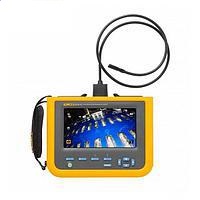
Why calibration matters for inspection cameras and borescopes
Video borescopes and specialized cameras are often selected because they can access locations that are difficult or impossible to inspect directly. In practical use, these tools support visual examination, defect detection, maintenance assessment, and recorded evidence for service or production reports. Over time, normal use, transport, environmental exposure, and repeated handling can affect performance and consistency.
A structured calibration service helps users maintain traceability and improve confidence in inspection results. For organizations that rely on camera-based diagnostics, calibration can also support internal quality systems and maintenance programs by ensuring equipment remains suitable for its intended task.
Typical equipment covered in this category
This category is focused on calibration services for video borescopes and related camera systems used in technical inspection. It is relevant for portable and industrial visual inspection devices, including equipment used for maintenance access, cavity inspection, internal visual checks, and motion capture in controlled testing environments.
Representative services in this range include the FLIR Video Borescope Calibration Service, FLUKE Video Borescope Calibration Service, EXTECH Video Borescope Calibration Service, and PCE Video Borescope Calibration Service. For high-frame-rate imaging applications, examples also include the PHANTOM High Speed Camera Calibration Service and Ametek High Speed Camera Calibration Service. These examples illustrate the scope of supported brands without limiting the category to only one manufacturer or one inspection method.
Applications across maintenance, production, and test environments
Video borescopes are commonly used where direct line-of-sight inspection is limited. Typical environments include machinery maintenance, HVAC access checks, internal equipment inspection, service workshops, and production lines where technicians need to document internal conditions without disassembly. In these cases, stable image performance supports more consistent interpretation and reporting.
Camera-based systems are also important in test and analysis workflows. High-speed cameras, for example, are used to observe short-duration events, fast mechanical motion, or process behavior that cannot be evaluated in real time by the naked eye. If your wider operation also includes related visual inspection equipment, the broader camera and borescope calibration service range can help align maintenance planning across different device types.
How to evaluate the right service for your equipment
The most practical starting point is the device type and how it is used in the field. A handheld borescope used for routine maintenance may have different service priorities than a high-speed imaging system used in test laboratories or process analysis. Calibration planning should consider the inspection task, usage frequency, documentation requirements, and the level of consistency your organization expects from captured images or recorded observations.
Brand compatibility is another useful filter when selecting service support. This category includes service examples associated with manufacturers such as Ametek, FLIR, FLUKE, PHANTOM, EXTECH, YATO, HT, PCE, and Wöhler. Choosing a service that matches the equipment family in use can simplify asset management and make service records easier to organize across multiple instruments.
Examples of services available in this category
For users managing borescope fleets or mixed inspection tools, the available range includes services such as YATO Video Borescope Calibration Service, EXTECH Video Borescope Calibration Service, FLIR Video Borescope Calibration Service, PCE Video Borescope Calibration Service, HT Instruments Video Borescope Calibration Service, Wöhler Video Borescope Calibration Service, and FLUKE Video Borescope Calibration Service. These are relevant for organizations that rely on internal visual inspection as part of routine service, troubleshooting, or acceptance checks.
For advanced imaging applications, PHANTOM High Speed Camera Calibration Service and Ametek High Speed Camera Calibration Service are also part of the category scope. This makes the category useful not only for inspection access tools, but also for users who need calibration support for high-speed camera systems involved in motion analysis or event capture.
Related calibration categories that may also be relevant
In many facilities, borescopes and camera systems are only one part of a larger calibration program. If your team also manages electrical test tools, power equipment, or laboratory-style electronic instruments, it may be useful to review related services such as electrical and electronic meter calibration or oscilloscope and logic analyzer calibration. This can help standardize service intervals and documentation across multiple asset groups.
For organizations with both imaging and dimensional inspection tools, combining service planning across categories can reduce administrative effort and improve readiness for audits or maintenance reviews. The right calibration structure is usually the one that reflects how equipment is actually used on site, rather than treating each device in isolation.
Supporting reliable inspection results over time
Camera-based inspection devices are often used in situations where visual evidence directly affects technical decisions. Whether the goal is to inspect an inaccessible area, document a condition before maintenance, or analyze a rapid event, dependable equipment performance is essential. Calibration supports that reliability by helping users confirm their devices remain appropriate for ongoing operational use.
If you are selecting a service for borescopes, industrial inspection cameras, or high-speed imaging equipment, this category provides a focused starting point. Reviewing service options by device type, manufacturer, and application can make it easier to maintain a consistent calibration program that fits real inspection workflows.
Types of Video borescope, cameras Calibration Service (12.000)
-
-
-
-
-
-
-
-
-
-
-
-
-
-
-
-
-
-
-
-
-
-
-
-