

Toxic Vapor Filter Calibration Service
Reliable airflow and fume control are critical in laboratories that handle corrosive or hazardous vapors. When a toxic vapor filtration system is used to protect personnel, support compliant operation, and maintain stable lab conditions, routine verification becomes just as important as the equipment itself. Toxic Vapor Filter Calibration Service helps confirm that the system is operating within its intended performance range and that key control points are checked in a structured way.
For laboratories, research facilities, and industrial testing environments, calibration service is not only about documenting equipment status. It also supports safer daily use, reduces uncertainty in filtration performance, and helps maintenance teams identify drift, wear, or operating issues before they become larger problems.
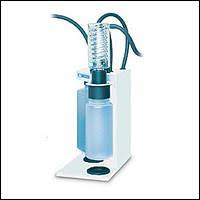
Why calibration matters for toxic vapor filtration equipment
Toxic vapor filter systems are typically used where chemical vapors must be captured, filtered, or managed in a controlled environment. Over time, changes in airflow, pressure behavior, sealing condition, sensor response, or filter loading can affect overall performance. A proper calibration service helps verify whether the equipment continues to perform as expected under real operating conditions.
In practice, this is especially important for laboratories that rely on consistent environmental control to protect operators, samples, and surrounding equipment. Regular service can also support internal quality systems and maintenance planning by creating a clearer record of the equipment’s operating condition.
What this service generally helps verify
Although the exact service scope depends on the device design and site requirements, calibration for toxic vapor filter equipment generally focuses on the parameters that influence safe and repeatable operation. This may include checks related to airflow behavior, control accuracy, response consistency, and the condition of the system as part of its intended use.
The purpose is not simply to confirm that the unit turns on, but to evaluate whether critical functions remain stable enough for laboratory work. For facilities managing multiple instruments, this type of service fits naturally into a wider equipment control program alongside services such as biosafety cabinet calibration and water bath calibration service.
Suitable environments and common use cases
This category is relevant for laboratories that work with aggressive solvents, acidic fumes, chemical preparation workflows, and applications where airborne contaminants need to be controlled locally. Research institutions, academic labs, pharmaceutical environments, and industrial quality control laboratories may all require periodic verification of filtration-related equipment as part of their routine maintenance process.
Calibration service is also valuable when equipment is relocated, returned to service after maintenance, or reviewed as part of periodic audits. In these situations, a documented check helps users confirm that the unit is still aligned with operational expectations rather than relying only on visual inspection.
VELP service context and equipment support
Where relevant, laboratories may look for service options connected to established manufacturers already used in their workflow. In this category, VELP is a key reference brand, with related support represented by the VELP Scrubber Calibration Service. This is useful for facilities that standardize around a specific laboratory equipment ecosystem and prefer service continuity across different devices.
Using manufacturer-related service references can help procurement and technical teams align calibration activities with the installed base of equipment already in operation. It also makes category navigation easier for buyers comparing service needs across different laboratory systems.
How to evaluate the right calibration service for your lab
When selecting a calibration service for toxic vapor filtration equipment, it helps to start with the actual operating context. Consider the type of vapors involved, how often the system is used, whether the unit is part of a regulated workflow, and how critical it is to operator safety and process reliability. These factors influence service intervals, documentation needs, and the depth of verification required.
It is also practical to review the broader maintenance landscape of the lab. Facilities that schedule calibration across multiple devices often benefit from coordinating service categories together, especially where environmental control and safety equipment are interdependent. For example, some labs may also need related support such as pharmacy refrigerators calibration for storage control or other laboratory equipment verification activities.
Calibration as part of a broader laboratory quality program
A well-managed lab does not treat calibration as an isolated event. Instead, it is part of a larger system that includes preventive maintenance, equipment records, operational checks, and periodic review of device performance. In that context, toxic vapor filter calibration supports both day-to-day safety and longer-term asset management.
For procurement teams and laboratory managers, this category is useful when building a service plan that covers high-priority instruments and safety-related systems together. Grouping calibration needs across filtration, containment, thermal equipment, and process instruments can reduce oversight gaps and improve planning efficiency.
Choosing with confidence
Finding the right service starts with understanding how the filtration equipment supports your laboratory operation. If the system plays a role in personnel protection, vapor handling, or controlled chemical work, periodic calibration is a practical step toward maintaining dependable performance and traceable maintenance records.
This category is designed to support that need with a clear focus on laboratory safety equipment verification, filtration performance checks, and service continuity for relevant lab environments. If your facility is reviewing calibration requirements across multiple instruments, this page can also serve as a useful starting point for building a more complete laboratory equipment service plan.
-
-
-
-
-
-
-
-
-
-
-
-
-
-
-
-
-
-
-
-
-
-
-
-