

Flame Photometer Calibration Service
Reliable elemental analysis depends on more than instrument availability. In laboratories that use flame photometers for routine sodium, potassium, lithium, or related measurements, calibration quality directly affects day-to-day confidence in results, repeatability, and audit readiness. A well-structured Flame Photometer Calibration Service helps confirm that the instrument is performing within expected conditions and supports more consistent analytical work.
This service category is intended for laboratories that need traceable, practical support for maintaining flame photometer performance over time. Whether the equipment is used in research, education, quality control, or general laboratory testing, regular calibration is an important part of reducing measurement uncertainty and identifying performance drift before it disrupts workflow.
Why calibration matters for flame photometers
A flame photometer is designed to measure the intensity of light emitted by specific elements in a flame. Because the reading depends on stable instrument response, burner conditions, detector behavior, and proper reference settings, performance can shift gradually through normal use. Calibration helps verify that the instrument response remains suitable for analytical tasks and that measured values remain dependable.
In many laboratories, this is not only a technical issue but also a quality management requirement. Periodic calibration supports internal quality procedures, documented maintenance schedules, and readiness for inspections or controlled operating environments. It also helps users distinguish between true sample variation and instrument-related error.
What this service typically supports
Flame photometer calibration service is relevant when an instrument shows unstable readings, has been in use for an extended period, has been relocated, or is due for scheduled quality checks. It is also useful after servicing, part replacement, or when a laboratory needs documented confirmation of measurement performance.
For organizations operating a broader lab equipment program, this service fits naturally alongside other calibration activities such as water bath calibration service or pharmacy refrigerator calibration. Keeping multiple instruments within a controlled calibration schedule can improve overall laboratory reliability rather than treating each device as a separate maintenance issue.
Typical calibration considerations in laboratory use
The exact calibration workflow may vary depending on the instrument condition and laboratory procedure, but the goal is generally the same: verify that the system produces stable and usable measurement output. For flame photometers, this often involves checking response consistency, confirming indication behavior against known references, and reviewing whether the instrument is suitable for its intended analytical range.
Calibration also provides an opportunity to identify practical issues that may affect performance, such as contamination, drift, setup inconsistency, or operational wear. In routine environments, these problems may not be obvious at first because the instrument can still power on and generate readings. A structured calibration process helps reveal whether those readings remain trustworthy for actual laboratory decisions.
Support for JENWAY flame photometer users
For laboratories working with JENWAY equipment, calibration support can be especially valuable when maintaining continuity in established analytical procedures. Many labs rely on familiar operating methods and stable instrument behavior over long periods, so periodic checks help preserve confidence in existing workflows without unnecessary disruption.
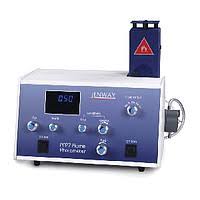
An example available in this category is the JENWAY Flame photometer Calibration Service. This is relevant for users who need service support centered specifically on this instrument type rather than a general maintenance request. When reviewing service options, it is useful to align the calibration scope with your laboratory’s documentation needs, usage frequency, and internal quality controls.
How to decide when calibration is due
There is no single interval that fits every laboratory. Calibration frequency usually depends on usage intensity, criticality of results, internal SOPs, audit requirements, and whether the instrument is used for screening, teaching, or controlled quality applications. Laboratories with frequent testing or tighter compliance expectations often adopt a more formal schedule.
It may also be time to arrange calibration when users observe baseline instability, difficulty reproducing readings, unusual sensitivity changes, or discrepancies against expected reference values. Even when no obvious issue appears, planned calibration remains a practical way to confirm performance before small deviations become larger analytical problems.
Calibration as part of a broader laboratory quality program
Flame photometers are rarely managed in isolation. In many facilities, they sit within a wider group of instruments that each affect test integrity in different ways. A coordinated approach to service planning can make documentation easier, reduce unplanned downtime, and support more consistent equipment oversight across the laboratory.
For example, laboratories may schedule this service together with other controlled equipment checks such as biosafety cabinet calibration. Although the equipment serves very different functions, the underlying principle is similar: verify that critical laboratory systems continue to perform as intended within the operating environment.
Choosing the right service option
When selecting a calibration service, it helps to look beyond the category name and consider the operational context of your laboratory. Think about the instrument brand in use, the type of records your team needs, service timing relative to production or testing schedules, and whether calibration is being performed as a routine check or in response to a performance concern.
A clear service match is especially important for analytical devices where measurement confidence matters in routine decisions. If your team uses a flame photometer regularly, choosing a service focused on this instrument category can support better maintenance planning and more consistent documentation over time.
Final considerations
Maintaining dependable analytical equipment is an ongoing process, not a one-time task. A properly planned Flame Photometer Calibration Service supports stable instrument performance, strengthens laboratory quality practices, and helps teams work with greater confidence in their reported values.
If your laboratory operates flame photometers as part of routine testing or controlled quality workflows, this category provides a focused starting point for selecting the right service. Reviewing instrument condition, calibration history, and documentation needs will help you choose an option that fits your technical and operational requirements.
-
-
-
-
-
-
-
-
-
-
-
-
-
-
-
-
-
-
-
-
-
-
-
-