

Centrifuge Calibration Service
Reliable separation results depend on more than rotor condition and routine maintenance. In laboratory workflows, even small deviations in speed, time control, or operating performance can affect sample preparation, test repeatability, and overall process confidence. That is why Centrifuge Calibration Service plays an important role in quality-focused labs, research facilities, and controlled production environments.
This service category supports organizations that need to verify the performance of benchtop centrifuges, microcentrifuges, spindown units, and multi-purpose centrifuges used in daily operation. Whether the goal is internal quality control, scheduled preventive maintenance, or preparation for regulated audits, calibration helps confirm that equipment is operating within expected parameters and remains suitable for its intended application.
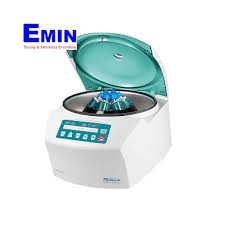
Why centrifuge calibration matters in laboratory environments
A centrifuge is often treated as a routine lab instrument, but its performance directly influences sample handling and process consistency. When actual rotational speed differs from the displayed value, the resulting relative centrifugal force may also shift, which can impact separation quality and reproducibility between runs.
Calibration helps verify key operating conditions so users can make decisions based on more dependable equipment behavior. This is especially relevant in laboratories that manage repeat testing, sample preparation workflows, validation programs, or documented quality systems where traceability and equipment control are expected.
What this service category is designed for
This category focuses on calibration support for a range of centrifuge types commonly used in laboratories. The available service scope may be relevant for compact microcentrifuges, general-purpose benchtop centrifuges, and specialized units used for routine sample spinning or broader lab applications.
Examples in this category include the IKA Centrifuge Calibration Service, HETTICH Centrifuge Calibration Service, DaiHan Centrifuge Calibration Service, and Labtech Spindown Centrifuge Calibration Service. The inclusion of different service entries helps users identify options aligned with the equipment brand or centrifuge format already installed in their facility.
Typical parameters checked during centrifuge calibration
Although the exact procedure depends on equipment design and service scope, centrifuge calibration generally focuses on confirming whether the unit performs as intended under normal operating conditions. This may include verification of displayed speed against actual speed, assessment of timer behavior, and review of general operating stability.
For users working in quality-controlled settings, the main value is not just measurement itself, but documented performance verification. A clear calibration record can support maintenance planning, equipment history management, and internal review processes when laboratories need evidence that critical instruments are being monitored appropriately.
Suitable for multiple centrifuge brands and laboratory setups
Labs rarely standardize on a single manufacturer across every bench. Many sites operate mixed fleets based on department needs, budget cycles, and historical procurement decisions. This category therefore covers service options associated with widely used brands such as IKA, Hettich, Benchmark, CRYSTE, DaiHan, Labtech, WITEG, and Labstac.
Representative listings include WITEG Centrifuge Calibration Service, Benchmark Centrifuge Calibration Service, CRYSTE Multi-purpose Centrifuge Calibration Service, and Labstac Microcentrifuge Calibration Service. These examples are useful when the laboratory needs calibration support matched to a specific equipment type rather than searching broadly across unrelated service pages.
How to choose the right calibration service
When selecting a centrifuge calibration option, it is helpful to begin with the actual equipment in use: manufacturer, model family, centrifuge type, and application criticality. A microcentrifuge used for routine molecular prep may have different service priorities than a multi-purpose centrifuge supporting higher-throughput laboratory work.
It is also worth considering your internal documentation needs. Some organizations primarily need periodic verification for operational confidence, while others require calibration records that fit into broader equipment management systems. In those cases, centrifuge calibration is often planned alongside related services such as water bath calibration service or pharmacy refrigerators calibration service to keep laboratory instruments on a consistent service schedule.
Common use cases across labs, healthcare, and research
Centrifuge calibration is relevant in many environments where controlled sample processing matters. Research laboratories may use it to support repeatable experimental workflows, while clinical or healthcare-related facilities may include it as part of broader equipment control and quality assurance practices. Academic labs, pharmaceutical settings, and industrial laboratories can also benefit from a structured calibration program.
Routine verification becomes especially valuable when equipment is used frequently, shared across teams, or expected to deliver consistent performance over long operating periods. Even when a centrifuge appears to be functioning normally, periodic calibration can help identify drift before it affects results or interrupts workflow.
Examples of services available in this category
This category includes service listings such as WITEG Centrifuge Calibration Service, HETTICH Centrifuge Calibration Service, IKA Centrifuge Calibration Service, DaiHan Centrifuge Calibration Service, Labtech Spindown Centrifuge Calibration Service, CRYSTE Multi-purpose Centrifuge Calibration Service, Benchmark Centrifuge Calibration Service, and Labstac Microcentrifuge Calibration Service.
These examples illustrate the practical scope of the category: support for different brands and centrifuge formats rather than a one-size-fits-all entry. For buyers, this makes it easier to narrow the search by installed equipment and move toward a more relevant service request.
Supporting better equipment control over time
Calibration should be viewed as part of a broader equipment lifecycle strategy rather than a standalone task. When combined with inspection, maintenance planning, and service history tracking, it helps laboratories manage risk more effectively and maintain confidence in day-to-day operations.
If your team is reviewing service options for laboratory centrifuges, this category provides a focused starting point for identifying brand-aligned calibration support. Choosing the right service can help improve consistency, strengthen documentation, and keep essential laboratory equipment performing in line with operational expectations.
-
-
-
-
-
-
-
-
-
-
-
-
-
-
-
-
-
-
-
-
-
-
-
-