

Single Gas Meter Calibration Service
When a gas detector is used to protect people, verify process conditions, or support environmental checks, measurement accuracy cannot be treated as a minor detail. Drift over time, sensor aging, exposure to harsh environments, and normal daily use can all affect readings. That is why Single Gas Meter Calibration Service is an essential part of maintaining dependable gas monitoring equipment in industrial, laboratory, and facility management applications.
This service category is intended for instruments designed to measure one specific gas parameter, where stable performance and traceable adjustment are important for routine operation. Whether the device is used for portable field checks, workplace safety inspections, or maintenance activities, proper calibration helps confirm that the instrument continues to respond within an acceptable range for its intended use.
Why calibration matters for single gas meters
A single gas meter is typically selected because a site needs focused measurement of one target gas rather than broad multi-gas detection. In practice, this often means the instrument plays a very specific role: checking carbon monoxide, monitoring a single hazardous gas, or verifying local air conditions in a defined process area. In these cases, even small deviations can affect maintenance decisions, alarm confidence, or compliance workflows.
Calibration service helps verify that the instrument response remains aligned with reference conditions. It is also a practical way to identify sensor drift, response issues, or performance changes before they become a larger operational problem. For businesses that rely on regular inspections or documented quality procedures, calibrated equipment supports both safety and consistency.
What is included in this category
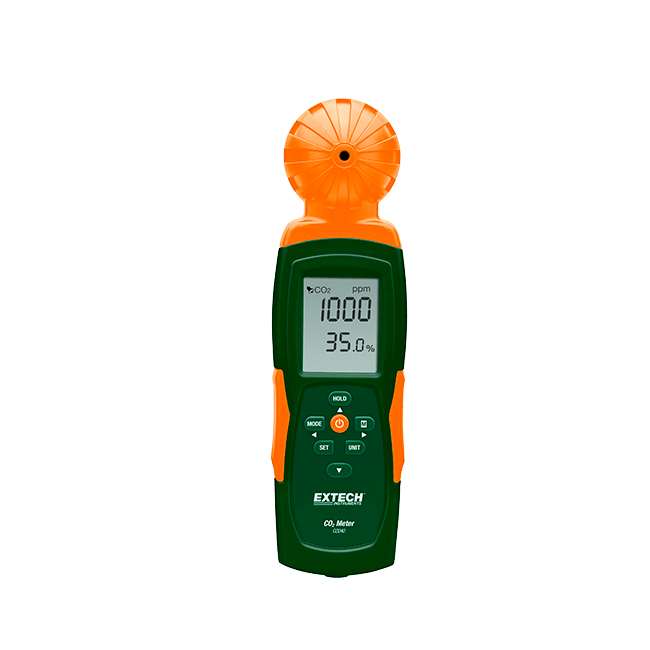
This category covers calibration services for portable or dedicated instruments that measure a single gas or a single gas-related parameter. Typical examples in this page include service entries such as the TESTO Single Gas Detector Calibration Service, Aeroqual Single Gas Detector Calibration Service, EXTECH Single Gas Detector Calibration Service, and BKPRECISION Carbon Monoxide Meter Calibration Service.
Some applications overlap with broader environmental monitoring, especially where air-related parameters are measured as part of indoor or workplace assessment. If your device is used more broadly for IAQ verification rather than one dedicated gas channel, the related air quality meter calibration service category may be more appropriate.
Typical devices and use cases
Single gas instruments are commonly used where operators need a straightforward reading for one known risk or process variable. This may include carbon monoxide checks, localized safety monitoring, or routine validation tasks during servicing and commissioning. Because these devices are often chosen for speed and simplicity, users also expect clear and reliable results every time they are deployed.
Representative services in this category include Chauvin Arnoux Air Quality Meter Calibration Service, RAE VOC Monitor Calibration Service, COSMOS Single Gas Detector Calibration Service, and PCE Single Gas Detector Calibration Service. While the exact calibration workflow can differ by instrument type, the overall objective remains the same: confirm that the device is responding correctly and remains suitable for ongoing use.
How to choose the right calibration service
The first step is to match the service to the actual instrument type and application. A portable single-gas detector used for routine field safety checks may require a different service path from a fixed installed device or a broader combustion analyzer. Selecting the correct category helps avoid delays and ensures the calibration process is relevant to the instrument’s sensing method and operating purpose.
If your device is permanently installed in a system or panel, you may want to review the fixed gas meter calibration service category instead. For instruments used in burner tuning, flue testing, or emissions work, the combustion and emission gas analyzer calibration service category is often the better fit.
Brand coverage and supported equipment context
This category includes services associated with widely used instrument brands in gas detection and measurement. Examples on this page include products connected to Chauvin Arnoux, TESTO, Aeroqual, BKPRECISION, COSMOS, DEFELSKO, EXTECH, KANOMAX, PCE, and RAE. Brand coverage matters because calibration handling often depends on sensor design, instrument interface, and the intended measurement function of the device.
That said, brand name alone should not be the only selection factor. It is equally important to confirm whether the instrument is a single gas detector, a carbon monoxide meter, a VOC monitor, or a broader air quality device. Choosing the closest service category based on real application will usually lead to a smoother service process and more relevant calibration results.
When recalibration should be considered
Recalibration intervals depend on usage patterns, operating conditions, internal quality requirements, and the criticality of the measurement. Instruments used frequently in demanding field environments may need more regular attention than units stored as backup equipment. Exposure to contamination, repeated alarm events, heavy transport, or long service cycles can all justify earlier recalibration.
Users often arrange service when readings appear unstable, after sensor replacement, after impact or repair, or as part of scheduled preventive maintenance. In many organizations, calibration is also tied to documented inspection routines so that instruments remain ready for audit, safety verification, and daily operations.
Supporting reliable safety and maintenance workflows
A calibrated single gas meter contributes to better decision-making across operations, EHS, maintenance, and facility teams. Reliable readings help reduce uncertainty during spot checks, support more confident troubleshooting, and improve the consistency of recorded measurement data. This is especially valuable when gas readings are used to determine whether a space, system, or piece of equipment is safe to inspect or return to service.
For companies managing multiple instrument types, it is often useful to align calibration planning across related categories rather than treating each device separately. This category works naturally alongside broader gas detector and meter service needs, helping build a maintenance approach that is both practical and easier to manage over time.
Final considerations before booking a service
Before selecting a service, it helps to verify the instrument model, the target gas or parameter, and whether the device is portable, fixed, or part of a wider air quality or combustion workflow. This simple check makes it easier to place the instrument in the right service category and reduces the risk of mismatch during processing.
For organizations that depend on dependable field measurements, single gas meter calibration is not just a routine administrative task. It is a practical step toward maintaining measurement confidence, improving safety readiness, and keeping gas monitoring equipment aligned with real operating needs.
-
-
-
-
-
-
-
-
-
-
-
-
-
-
-
-
-
-
-
-
-
-
-
-