

Welding machine cleaning tool
Reliable soldering and rework depend on more than the station itself. Day-to-day maintenance, tip care, surface cleaning, and contact treatment all affect heat transfer, joint quality, and the long-term condition of equipment. This is where Welding machine cleaning tool products become part of a practical bench setup for electronics assembly, repair, and SMT work.
In this category, the focus is on cleaning and maintenance items used around soldering systems, connectors, controls, and surrounding equipment surfaces. These tools help technicians keep workstations cleaner, reduce contamination, and support more consistent operation in production, service, and laboratory environments.
Why cleaning tools matter in soldering and rework workflows
Contamination builds up quickly in electronics work. Flux residues, oxidized metal surfaces, dust, and debris on tips or surrounding equipment can interfere with solder wetting, signal integrity, and routine handling. Using the right cleaning accessories helps maintain a stable process instead of treating maintenance as an afterthought.
For technicians working with soldering stations or more specialized rework systems, regular cleaning also supports operator efficiency. A properly maintained bench is easier to use, reduces avoidable defects, and helps preserve accessories and machine contact surfaces over time.
Typical product types in this category
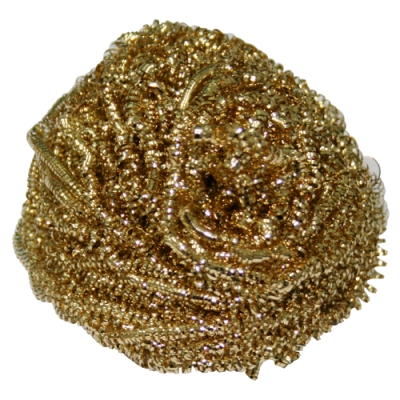
This category can include both simple consumables and more specialized maintenance materials. For soldering iron tip care, items such as the JBC CL6210 Brass Wool and JBC S0354 Sponge represent two common approaches to removing residue from working tips during normal soldering cycles.
For surrounding equipment and maintenance tasks, products from CAIG extend the category beyond tip cleaning alone. Examples include lint-free cloths, connector cleaning brushes, equipment surface cleaner and conditioner, metal cleaner and polish, rubber reconditioning solutions, and maintenance materials for conductive plastics or control surfaces. Together, these products support a broader equipment-care workflow rather than a single cleaning step.
Tip cleaning: brass wool or sponge?
Tip cleanliness has a direct effect on thermal performance and soldering consistency. Brass wool is often preferred when operators want fast residue removal with minimal temperature drop during repeated use. The JBC CL6210 Brass Wool fits this role well in work where the soldering iron is used continuously and tip recovery time matters.
A sponge, such as the JBC S0354 Sponge, remains useful when a softer wiping action is preferred as part of routine bench maintenance. In practice, the best choice depends on operator habits, the soldering profile, and how frequently the tip needs to be refreshed during work. Many users standardize on one method to keep results consistent across shifts or workstations.
Cleaning beyond the soldering tip
Bench maintenance often extends to connectors, housings, front panels, rollers, conductive controls, and metal parts that are exposed to oxidation or residue. Products such as CAIG AB-25 Connector Cleaning Brush and CAIG LFC-C/50 Lint-free Cotton Cloth are practical examples of support accessories that help technicians clean narrow contact points or wipe surfaces without leaving unwanted fibers behind.
For equipment exteriors and sensitive surfaces, CAIG CL-ECP-08 Equipment Cleaner & Conditioner is positioned for gentle cleaning and protection. Where oxidation, corrosion, or tarnish are part of the maintenance problem, products such as CAIG CL-MCP-12 and CAIG CL-MSP-12 are more relevant because they are intended for metal cleaning and restoration rather than simple surface wiping.
Specialized maintenance materials for controls and soldering work
Not every cleaning product serves the same purpose. Some materials are intended for conductive plastics and carbon controls, where preserving feel and electrical performance is important. In that context, CAIG F100S-L2 and CAIG DFG-213-8G Fader Grease are examples of products used after or during maintenance of moving control elements where lubrication and surface protection matter.
This category may also be relevant to users handling soldering consumables and process support materials. CAIG RSF-R39-2 Rosin No Clean Soldering Flux and CAIG RSF-R80-2 Rosin Soldering Flux illustrate how maintenance and soldering support can overlap at the workstation. While these are not tip cleaners, they belong to the broader ecosystem of bench products used to keep soldering work controlled and repeatable.
How to choose the right cleaning tool
A good selection process starts with the actual maintenance target. If the task is routine tip wiping during hand soldering, a brass wool or sponge is usually the most direct choice. If the issue involves connectors, oxidized metal parts, equipment panels, or sensitive controls, the required product type changes significantly.
It is also useful to think in terms of application method: cloth, brush, bottle, syringe, jar, or spray. This affects access, cleanliness, and precision during use. In electronics manufacturing and repair environments, the most effective setup is often a small combination of products matched to specific maintenance tasks rather than one universal cleaner.
Fit with broader soldering and rework equipment
Cleaning tools are most effective when they are chosen as part of the full workstation environment. Users building or upgrading a bench may also want to review related equipment such as desoldering stations or hot air rework systems, since maintenance needs can differ depending on process type.
Brand preference can also matter for compatibility and workflow consistency. For tip-care accessories and soldering bench consumables, many buyers compare options from JBC alongside other established manufacturers used in electronics assembly. The right choice usually depends less on brand alone and more on whether the product matches the cleaning task, handling preference, and equipment already in use.
Practical buying considerations for B2B users
For service centers, EMS providers, schools, and industrial maintenance teams, cleaning products are often purchased as recurring consumables. In these cases, standardization is important. Choosing the same cloth type, tip-cleaning method, or connector-cleaning accessory across multiple benches can simplify replenishment and reduce variation between operators.
It is also worth separating everyday cleaning items from occasional restoration products. A bench may need routine tip cleaning and lint-free wiping every day, while metal restoration or rubber reconditioning materials are used only when specific maintenance issues appear. This distinction helps buyers stock the right mix without overcomplicating the workstation.
Conclusion
A well-maintained soldering environment depends on small tools as much as major equipment. From brass wool and sponges to cloths, brushes, cleaners, and specialized maintenance compounds, this category supports the practical upkeep that helps electronics assembly and repair work stay clean, controlled, and efficient.
If you are selecting products for a new bench or refining an existing process, start with the surfaces and components you actually need to maintain. That approach makes it easier to choose cleaning tools that fit your soldering workflow, protect equipment, and support more consistent day-to-day results.
-
-
-
-
-
-
-
-
-
-
-
-
-
-
-
-
-
-
-
-
-
-
-
-