

Pre-Heaters
Controlled bottom-side heating plays an important role in PCB repair, component replacement, and thermal process stability. In rework operations, a Pre-Heaters setup helps reduce thermal shock, supports more even heat distribution across the board, and makes it easier to reach process temperature without overloading the top-side tool.
This category is intended for engineers, service teams, electronics manufacturers, and repair environments that work with SMT assemblies, multilayer boards, or temperature-sensitive components. Whether the task involves localized repair on small boards or broader support for larger assemblies, selecting the right preheating platform can improve repeatability, operator control, and overall rework quality.
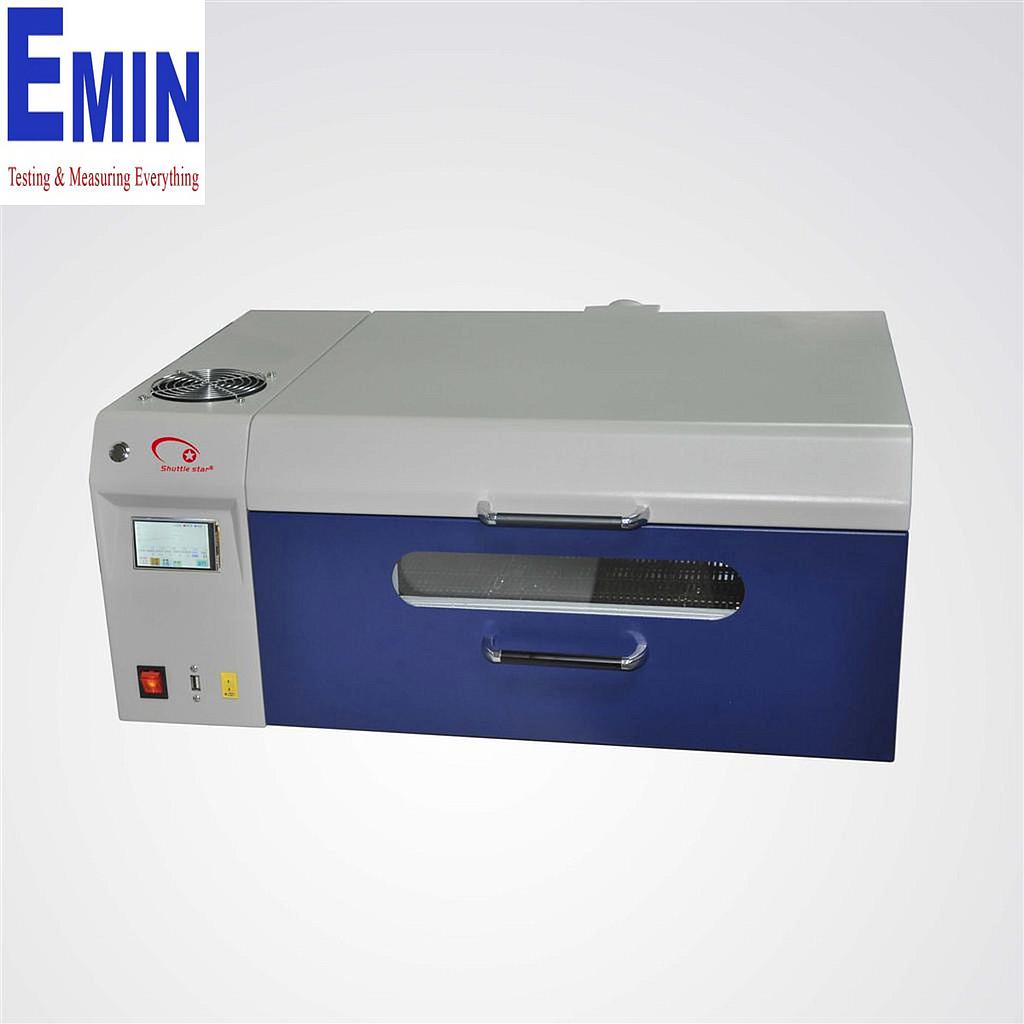
Why preheating matters in electronics rework
During soldering and rework, heat does not stay only at the point of contact. Copper planes, ground layers, shields, and large components can draw heat away from the target area, making the process slower and less predictable. A preheater offsets this effect by raising the board temperature in a controlled way before or during the main rework step.
This approach is especially useful when working with SMT assemblies, dense PCBs, or thermally demanding joints. It can help reduce board warpage, minimize stress on pads and components, and support cleaner solder flow. In many workflows, preheating is used alongside hot air rework systems or more advanced BGA rework equipment when profile control is critical.
Typical applications for PCB preheaters
Preheaters are commonly used in board-level repair, prototype labs, service centers, and electronics production support. Typical jobs include component removal, solder joint repair, connector replacement, and rework on multilayer boards where direct top-side heating alone may not be sufficient.
They are also relevant when handling temperature-sensitive assemblies that require gradual heating rather than aggressive local input. In practical terms, this means better support for fine-pitch work, reduced risk during repeated repair cycles, and a more stable thermal environment for technicians using soldering stations or complementary removal tools.
How to choose the right preheater
The first consideration is board size and heating area. Small repair benches and compact service tasks may only need a localized platform, while larger assemblies require broader heating coverage or multi-zone operation. Matching the heating surface to the PCB footprint helps improve efficiency without unnecessarily heating the entire assembly.
Another important factor is temperature control. In professional rework, adjustable temperature range, profile capability, and thermocouple feedback can make a meaningful difference. Features such as multiple control channels, programmable profiles, and PC connectivity are especially useful where process documentation or repeated jobs are part of daily work.
Buyers should also look at workflow-related details such as ESD-safe design, support fixtures, control interfaces, and integration with the rest of the rework bench. In some environments, a compact standalone preheater is enough; in others, a full bench setup with support structures and profile management provides better consistency.
Representative systems in this category
Several products in this range illustrate how preheaters can be matched to different applications. For compact PCB work, the JBC PHNE-2A Preheater and JBC PHNE-2KA Preheater Set are suited to smaller boards and localized heating tasks where space and precision both matter. These models are relevant for repair benches handling lighter rework loads or targeted support under specific components.
For medium-format PCB work, the JBC PHSE-2KB Preheater Set offers a larger heating area and added process flexibility. When the application expands to larger boards or more demanding thermal balance, systems such as the JBC PHXLE-2KA Preheater Set provide broader coverage and multi-zone capability suitable for more complex assemblies.
There are also alternative approaches within the same category. The Metcal PCT-1000 Digital Preheater uses convection heating, while the PACEWORLDWIDE ST 400 Radiant Pre-Heater represents a radiant heating solution. These differences can matter depending on board geometry, process preference, and how the preheater fits into the broader rework method.
Preheaters and complete rework benches
In many technical environments, a preheater is not used in isolation. It becomes part of a broader rework ecosystem that may include hand tools, hot air systems, thermocouple monitoring, supports, and dedicated bench arrangements. This is where integrated systems can provide a more structured workflow for recurring repair or process-controlled rework.
Examples from JBC include the RBN-2A, RBS-2A, and RBB-2A rework benches for PCBs, which combine preheating with support elements intended for different board sizes and power requirements. These systems are useful when the goal is not only to warm the board, but to create a stable and repeatable setup for ongoing service or production support tasks.
Brand landscape and selection context
This category includes solutions associated with established electronics rework brands such as JBC, Metcal, and PACEWORLDWIDE. Each may fit a different process style, from compact manual repair to more structured thermal profiling. The right selection depends less on brand name alone and more on board dimensions, heating method, control depth, and the level of repeatability your workflow requires.
For buyers standardizing a bench or expanding an existing setup, it can also be useful to consider adjacent equipment categories. For example, preheaters are often paired with desoldering stations when through-hole removal or rework support is part of the same process chain.
What to review before placing an order
Before choosing a model, confirm the PCB dimensions you typically handle, the heating method preferred in your process, and whether profile-based control is necessary. If your work involves repeated repair on similar assemblies, programmable settings and thermocouple-based monitoring can save time and improve consistency.
It is also worth checking whether you need a standalone unit or a complete set with console, supports, and accessories. In B2B environments, these details affect not only technical suitability but also training, bench layout, maintenance, and day-to-day operator efficiency.
Final thoughts
A well-matched preheater helps create a more controlled thermal process for PCB repair and SMT rework. From compact units for localized jobs to larger multi-zone systems for complex assemblies, this category supports a wide range of technical requirements without forcing a one-size-fits-all approach.
If your work involves challenging boards, heat-sensitive components, or repeatable rework procedures, reviewing the heating area, control features, and system format will usually lead to a better long-term choice. The products in this category are best evaluated as part of the full rework workflow, where stable bottom-side heating can make every top-side operation more predictable.
-
-
-
-
-
-
-
-
-
-
-
-
-
-
-
-
-
-
-
-
-
-
-
-