

Pressure Datalogger
When pressure needs to be verified over time rather than at a single moment, a data logger becomes far more useful than a simple spot-reading instrument. In HVAC balancing, compressed gas monitoring, hydraulic testing, and process troubleshooting, recorded pressure history helps teams identify drift, spikes, leakage, and intermittent events that are easy to miss during manual checks.
Pressure datalogger products are designed for that role: they capture pressure values automatically at defined intervals, store the readings internally, and support later analysis for maintenance, validation, or reporting. This category includes compact options for low differential pressure as well as higher-range units for gauge and absolute pressure applications.
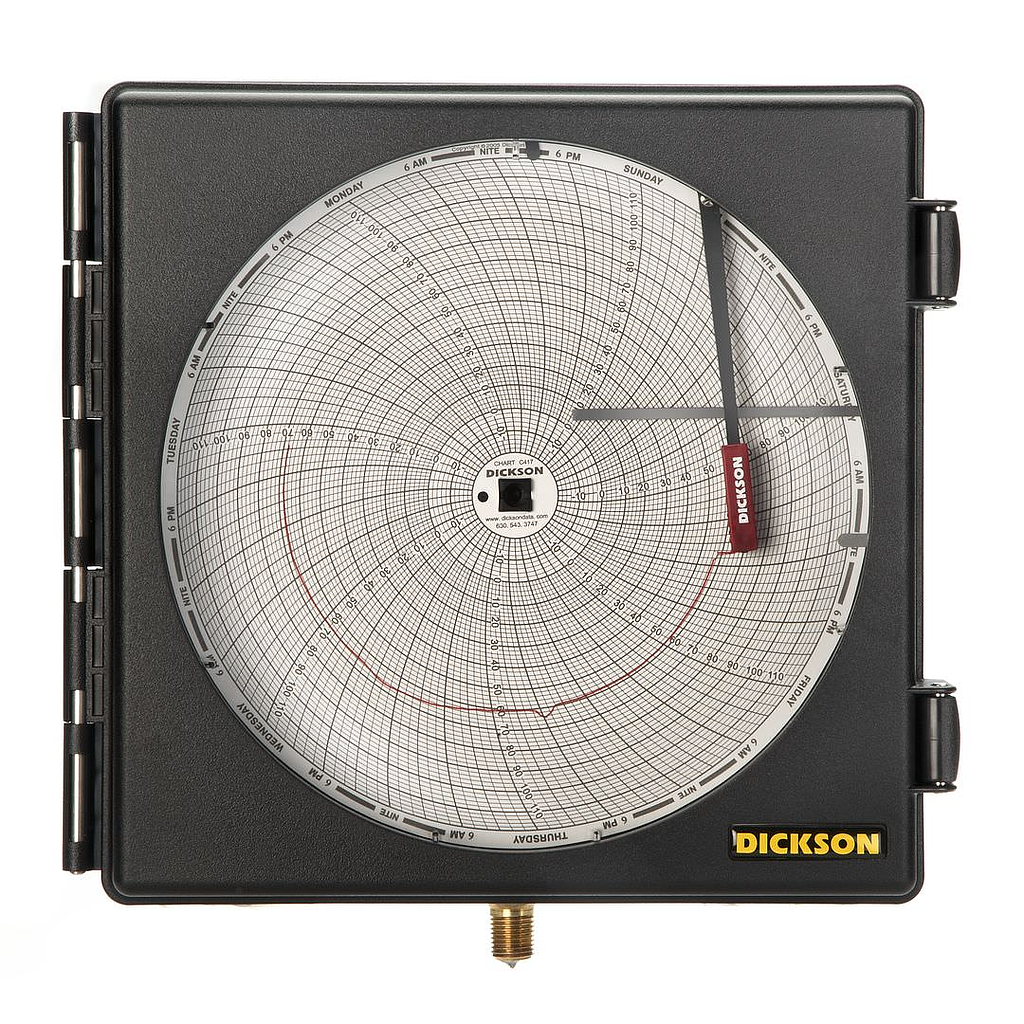
Where pressure data loggers are typically used
A pressure logger is especially valuable when the process changes over hours, days, or production cycles. Instead of relying on periodic manual measurements, the instrument builds a time-based record that helps engineers understand system behavior under real operating conditions.
Common applications include air handling systems, filter monitoring, clean dry gas measurement, leak detection, validation of pressure stability, and troubleshooting in test benches. For users who need related portable instruments for direct field checks, categories such as manometers or broader pressure, temperature & humidity monitors can also be relevant alongside a logger-based setup.
Low-pressure logging for HVAC and air-side systems
One of the main use cases in this category is differential pressure logging at very low ranges. This is important in HVAC systems, room pressure verification, duct pressure checks, filter status monitoring, and other applications where readings are often expressed in inH₂O rather than psi.
Examples from Dwyer include the DL70, DL71, DL72, DL75, and DL710 series. These models are built for low-pressure work, offer internal memory for 21,500 readings, and combine pressure logging with temperature input through an internal thermistor. With pressure ranges from 0.5 inH₂O up to 10 inH₂O, they are suited to applications where resolution and stable trend capture matter more than high-pressure capacity.
Another practical point is sampling flexibility. Models in this group support adjustable sampling intervals from very fast logging to long-duration monitoring, which helps when tracking rapid fluctuations in airflow systems or slower changes across overnight and weekly operating periods.
Gauge and absolute pressure logging for wider industrial ranges
Not every pressure logging task involves low differential pressure. Many industrial users need to record gauge pressure or absolute pressure in much higher ranges, particularly in utility systems, laboratory setups, pressure vessels, and hydraulic or pneumatic circuits.
The Dwyer DLI2 series illustrates this broader end of the category. Units such as the DLI2-G08, DLI2-G10, and DLI2-G13 cover gauge pressure ranges including 30 psi, 100 psi, and 300 psi, while models such as the DLI2-A13, DLI2-A14, DLI2-A15, and DLI2-A19 address absolute pressure applications up to 5000 psi. These loggers offer a much larger storage capacity of 262,143 readings, an LCD display for on-device viewing, and an IP65 enclosure rating that supports use in tougher environments.
For users working specifically with fluid power systems, a dedicated hydraulic meter category may also help when pressure logging is only one part of a broader maintenance or diagnostics workflow.
How to choose the right pressure datalogger
The first selection factor is the pressure type: differential, gauge, or absolute. Low-pressure HVAC measurements usually require differential pressure capability and finer resolution, while sealed systems, tanks, or process lines may call for gauge or absolute pressure logging depending on the reference needed.
The second factor is range. Choosing a logger with a range that is too high can reduce useful resolution for small changes, while a range that is too low may risk overload or limited application fit. In this category, the available examples span from 0.5 inH₂O low-pressure logging to high-range absolute pressure measurement at 5000 psi, so matching the instrument to normal operating pressure is essential.
Memory capacity, sampling interval, and environmental suitability also matter. Compact low-pressure units with 21,500 readings may be suitable for shorter HVAC studies, while larger-capacity devices with over 260k readings are often better for extended logging campaigns. If the logger will be used in harsher field conditions, enclosure protection and wetted material compatibility should also be reviewed carefully.
Important features to compare before ordering
Beyond pressure range alone, buyers should compare how the logger will be used in practice. Some applications need a compact instrument that can be installed temporarily in a duct or panel, while others benefit from a larger logger with a visible local display and longer battery life.
- Sampling and storage: useful for short transient capture or long-term trend recording.
- Pressure input type: differential for low-pressure air systems, gauge for line pressure, absolute for vacuum-related or sealed-reference measurements.
- Display and interface: on-screen LCD visibility can simplify field review before downloading data.
- Battery operation: important for temporary installations or remote measurement points.
- Process connection and media compatibility: especially relevant for clean dry gases and industrial pressure connections.
In many cases, engineers compare a logger with a handheld test instrument. A logger is usually the better choice when the objective is to document pressure changes over time, confirm recurring events, or create traceable records for maintenance and validation.
Representative products in this category
For low-pressure applications, the Dwyer DL70 and DL71 are suitable examples when measuring very small pressure differences, while the DL72, DL75, and DL710 extend the range for broader HVAC and clean dry gas applications. These models are particularly relevant when users need compact battery-powered logging with temperature and differential pressure in one device.
For higher-pressure work, the Dwyer DLI2 family covers both gauge and absolute measurement. The DLI2-G08 is a useful reference point for lower gauge ranges, while the DLI2-G10 and DLI2-G13 move into higher pressure duties. On the absolute side, the DLI2-A13 through DLI2-A19 show how the category can support applications ranging from moderate pressure monitoring to very high-pressure recording.
While this page highlights a pressure logger selection, buyers who also need manufacturer-based browsing can explore additional instrumentation lines from OMEGA depending on their preferred sourcing or system standardization requirements.
Why logged pressure data improves troubleshooting
Intermittent pressure issues are often the hardest to diagnose. A system may appear normal during inspection, yet still experience overnight decay, startup surges, periodic pulsation, or gradual drift that affects quality and performance. A logger creates a usable record that turns those hidden events into measurable evidence.
This is particularly helpful for maintenance teams, commissioning engineers, and validation personnel who need more than a single reading. With the right logger, they can compare operating periods, correlate pressure trends with temperature or process timing, and make better decisions about filters, pumps, regulators, sealed systems, or airflow control components.
Find the right logger for your pressure range and application
This category brings together pressure data loggers for both fine low-pressure monitoring and higher-range industrial measurement. Whether the requirement is differential pressure logging in HVAC or long-term recording of gauge or absolute pressure, selecting the right range, pressure reference, memory capacity, and physical format will make the data far more useful in real operation.
If you are comparing options, start with the pressure type and normal operating range, then narrow by logging duration, display needs, and installation conditions. That approach usually leads to a more practical choice than selecting by model name alone.
-
-
-
-
-
-
-
-
-
-
-
-
-
-
-
-
-
-
-
-
-
-
-
-