

Pneumatic Polishing Machine
Surface finishing often becomes the last step that determines how a metal part, painted panel, composite surface, or maintenance job will be judged in real use. In workshops that rely on compressed air, a pneumatic polishing machine offers a practical way to achieve controlled polishing, buffing, and finishing performance while fitting into an existing air tool setup.
This category brings together air-powered polishing tools for different pad sizes, working styles, and finishing requirements. Whether the job involves compact detail polishing, general workshop surface preparation, or larger-area buffing, the available range helps buyers compare tool formats, operating characteristics, and manufacturer ecosystems more efficiently.
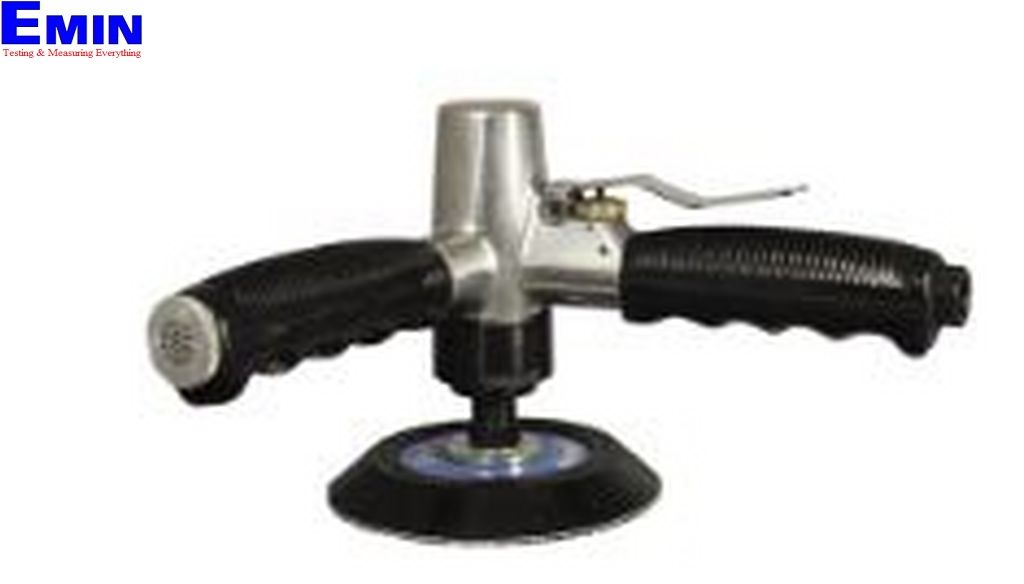
Where pneumatic polishers fit in industrial and workshop use
Air polishers are commonly selected when users need a lightweight tool body, steady operation in repetitive work, and compatibility with compressed-air infrastructure already used for other assembly or maintenance tools. They are relevant in automotive refinishing, metal fabrication, equipment maintenance, and general-purpose surface finishing where polishing pads and compounds are part of the process.
Compared with other air tools, polishing machines are designed around surface finishing control rather than material removal or fastening. If the application is closer to deburring or stock removal, a dedicated air grinder may be the better fit, while polishing tools are better suited to refining the final surface appearance.
Common tool formats in this category
The category includes both compact and larger-format machines. Smaller pneumatic units are useful for spot polishing, edge work, localized repair, and tighter access areas. Larger polishers support broader pad diameters for covering more surface in less time, which can be helpful for body panels, machine covers, or production finishing tasks.
There is also a difference between standard rotary tools and roto-orbital polishing designs. Rotary polishers focus motion in a single rotational path, while roto-orbital tools add an oscillating action that can support finer finishing and improved control depending on the pad, compound, and surface condition.
Representative products and what they suggest about selection
Several products in this range show how pneumatic polishing machines are positioned for different use cases. For compact detail work, the SATA 02523 Mini Pneumatic Polishing Machine Set with a 3-inch format and the KAWASAKI KPT-7731 Polisher are examples of smaller tools that suit more precise polishing tasks. These compact models are often considered when maneuverability matters as much as output.
For larger-area polishing, models such as the SATA 02531 7-inch Pneumatic Polishing Machine and Kawasaki KPT-37P 7inch POLISHER point toward broader surface coverage with a more traditional large-pad layout. If the user prefers an angle-style body, AIRTEC 421 Angle polisher and YATO YT-09755 Air angle polisher illustrate another common form factor used in workshop finishing.
This category also includes specialized variants such as the AIRTEC 539 Roto orbital polisher, which indicates that the range is not limited to a single polishing motion. For buyers comparing pneumatic and electric workflows, products like the YATO YT-82200 Polishing Machine and Yato YT-82195 Polisher can also provide useful reference points for pad diameter and general polishing format, even when the preferred power source depends on the working environment.
How to choose the right pneumatic polishing machine
The first decision is usually based on pad size and application scale. Smaller pads are easier to control on curved or narrow surfaces, while larger pads are more efficient on flat, open areas. A buyer should also consider whether the job is focused on finishing, paint correction, buffing, or compound application, because these tasks do not always favor the same tool geometry.
Air supply is equally important. Pneumatic polishers depend on available pressure, hose size, and real air consumption in the workshop. A tool may look suitable on paper, but performance can drop if the compressor and air line cannot support the required flow during continuous use. In operations already using other air tools such as an air impact wrench or air drills, it is worth checking whether the existing air system can handle simultaneous demand.
Weight, vibration behavior, and overall length also matter in practice. For repetitive polishing or overhead work, a lighter tool can reduce operator fatigue. In close-quarter applications, a compact body may be easier to control than a long, full-size polisher, especially around fixtures, corners, and contoured surfaces.
Manufacturer options available in this range
This category features recognized names used across industrial tools and workshop maintenance environments. Buyers looking for broad pneumatic tool familiarity may want to review the range from SATA, while users comparing compact and full-size air polishing options may also consider KAWASAKI, YATO, and AIRTEC based on the models available here.
YATO appears in both compact and electric polishing references, which can be useful for teams comparing tool style across different power setups. AIRTEC contributes angle and roto-orbital options, suggesting a focus on specialized pneumatic finishing formats. Klenco, represented by the CYCLONE U420 High Speed Burnisher, adds context for floor or larger-scale burnishing applications where a different polishing approach is needed.
Typical buying considerations for B2B users
For maintenance teams, body shops, and industrial buyers, the best choice is rarely based on speed alone. It is more useful to evaluate the tool as part of a complete finishing process: pad compatibility, spindle format, compressed-air requirements, service environment, and expected daily usage all affect long-term suitability.
Procurement teams may also prefer to standardize by manufacturer when possible, especially if they already source related air tools from the same brand family. That can simplify operator familiarity and parts handling across the workshop. If the goal is to build out a broader pneumatic toolkit rather than buy a single polisher in isolation, categories such as air screwdrivers can also help round out assembly and maintenance capability.
Why the category matters for finishing workflow planning
A polishing machine is often selected late in the purchasing process, but it has a direct effect on rework time, operator control, and final surface quality. Choosing the right air-powered model helps align pad size, tool motion, and available compressed-air capacity with the actual finishing task instead of forcing one tool format into every job.
From compact mini polishers to larger 7-inch pneumatic units and roto-orbital options, this category gives buyers a practical starting point for matching tool design to workshop needs. Reviewing the available models by application type, pad format, and manufacturer can make it easier to narrow down the right solution for day-to-day polishing work.
-
-
-
-
-
-
-
-
-
-
-
-
-
-
-
-
-
-
-
-
-
-
-
-