

Other products for oil testing
Not every oil analysis task fits neatly into a single test method or one standard instrument type. In many maintenance, laboratory, and industrial fluid-handling environments, teams also need supporting equipment for treatment, transfer, storage, evacuation, or process-specific preparation before reliable evaluation and safe operation can take place. That is where Other products for oil testing become relevant: they help complete the broader workflow around oil condition control, handling, and application support.
This category brings together equipment commonly associated with oil-related processes in power, industrial, and specialty production settings. Instead of focusing only on one bench-top tester, it covers practical systems used to dry, degas, transfer, heat, store, or process oils and related media. For buyers comparing options for maintenance programs, utility service, or process support, the value of this category lies in understanding how these products fit into the wider oil and fluid management ecosystem.
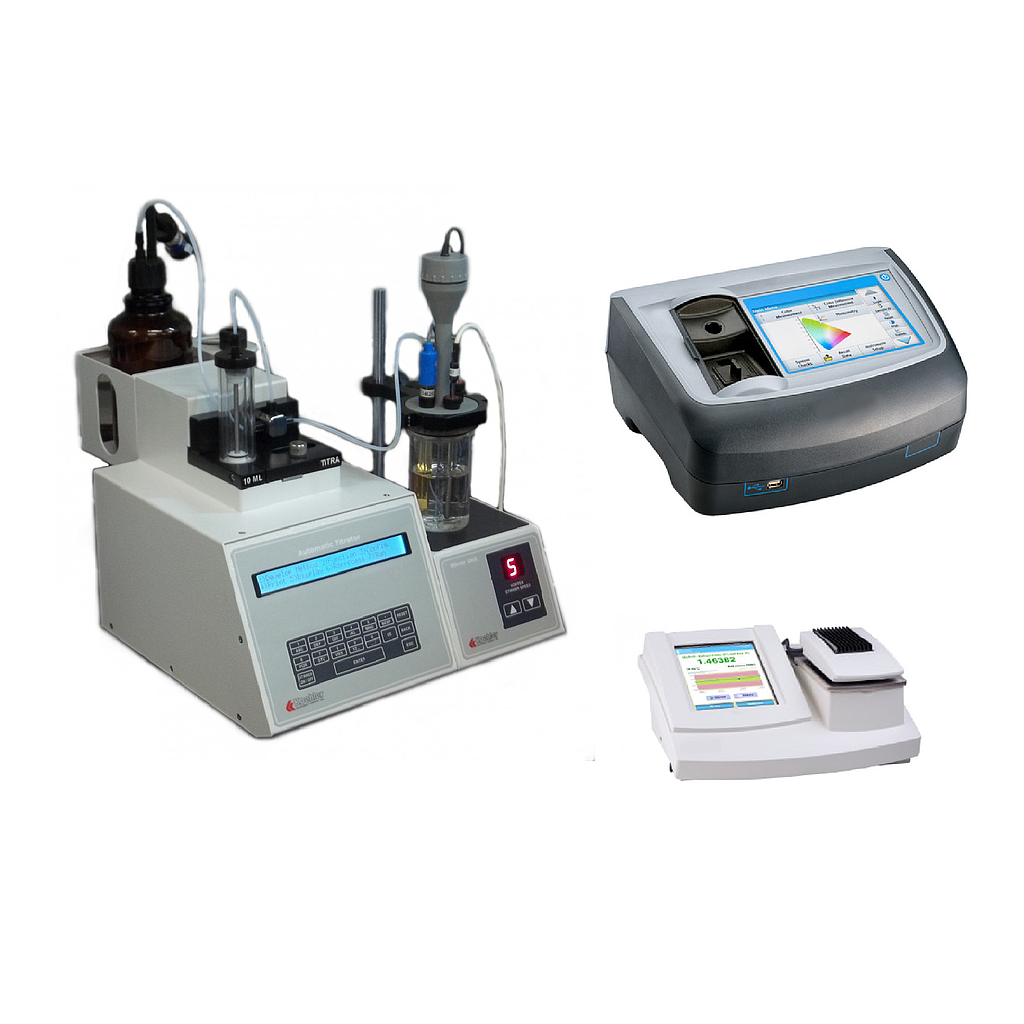
Equipment that supports oil condition management
Oil quality is influenced not only by the lubricant or insulating fluid itself, but also by how it is stored, moved, dehydrated, filtered, or exposed to air and contaminants. In practice, facilities often need more than laboratory instruments alone. They may require mobile service units, evacuation systems, filling stations, or specialized treatment equipment to keep oils within acceptable operating condition.
Examples in this category include mobile oil plants such as the GlobeCore CMM-1 and GlobeCore CMM-2.2, which are used in workflows involving heating, filtration, moisture reduction, and gas removal. These types of systems are especially relevant where oil cleanliness and low water content matter for equipment reliability, maintenance intervals, and service readiness.
Where these products are used
The application range extends across electrical utilities, transformer service, industrial maintenance, fluid preparation, and production environments that work with petroleum-based or process oils. In these settings, the goal is often twofold: maintain fluid quality and support the safe, efficient operation of the equipment that depends on it.
Some systems are clearly tied to power equipment maintenance. For example, the GlobeCore BV-3000 Transformer Evacuation Unit and the GlobeCore UVD-1000 Oil Filling and Transportation System fit naturally into transformer servicing workflows, where vacuum preparation, oil filling, and controlled transfer are part of commissioning or maintenance. If your focus is specifically on moisture removal, you may also want to review related oil dryer equipment for complementary solutions.
Representative product groups in this category
Although the category name is broad, the listed products show several distinct functional groups. One group centers on mobile oil treatment and service equipment. Units like the CMM series are designed for field or plant use where oil must be conditioned before reuse or before being returned to service equipment.
Another group supports oil logistics and servicing. The GlobeCore CMM-GL Wind turbine gearbox oil changer, for instance, reflects the need for controlled oil replacement in specialized assets. Meanwhile, the UVD-1000 is aligned with filling and transportation tasks, which are important when oil must be moved without introducing unnecessary contamination.
A third group includes storage and process tanks such as the GlobeCore SBE-15 and SBE-30 bitumen emulsion collection tanks, along with GlobeCore USB-4 modified bitumen collection tanks. These are not classic lab testers, but they show how this category also covers adjacent process equipment for oil- and bitumen-related industrial applications. For broader context around petroleum product analysis, see fuels testing categories that address evaluation methods more directly.
How to choose the right solution
Selection should start with the actual task, not just the product label. Ask whether you need to treat oil, evacuate a vessel, transfer fluid, support a maintenance routine, or store process media. A mobile oil plant is suited to one type of problem, while a collection tank or evacuation unit addresses a very different stage in the workflow.
It is also important to look at operating capacity, power supply compatibility, installation constraints, and whether the equipment is intended for continuous or service-based operation. In this category, some products are compact mobile units, while others are large-volume industrial systems. Matching throughput, physical footprint, and site conditions to the process requirement will usually lead to a better long-term fit than selecting by nominal category alone.
GlobeCore solutions in this range
GlobeCore is the main manufacturer represented here, and the product mix highlights a strong focus on oil treatment, fluid handling, transformer service, and bitumen-related processing equipment. That makes this category particularly useful for buyers who need integrated support equipment rather than only conventional laboratory instruments.
Representative models include the CMM-1 and CMM-2.2 mobile oil plants, the BV-3000 transformer evacuation unit, the UVD-1000 oil filling and transportation system, and the CMM-GL oil changer for wind turbine gearbox applications. The presence of SBE and USB series tanks and bitumen modification units further indicates that the scope extends into process-side infrastructure where oil-derived or related materials must be handled in a controlled way.
How this category fits with testing and preparation workflows
In many facilities, fluid reliability depends on a chain of actions: sampling, conditioning, transfer, storage, and verification. A test result is only meaningful if the fluid has been handled correctly and if contamination introduced during servicing is minimized. That is why support equipment in this category often works alongside laboratory and preparation tools rather than replacing them.
For example, users dealing with volatile or safety-sensitive petroleum products may also need dedicated flash tester solutions for specific analytical checks. Where moisture control or environmental preparation matters, air drying equipment can also support more stable operating or testing conditions.
Practical buying considerations for B2B users
For industrial procurement, the most useful comparison points are usually process role, service environment, and expected duty cycle. Consider whether the equipment will be used in a plant, at a utility substation, in a maintenance vehicle, or as part of a production line. This affects mobility, available power, tank volume, and whether customizable electrical parameters are important.
You should also review how the equipment integrates with your existing maintenance procedures. A facility performing transformer service will prioritize different features than a plant handling bitumen emulsions or modified bitumen. Looking at the wider workflow helps separate true operational needs from optional features, making it easier to shortlist the most relevant systems.
Finding the right fit for your oil-related process
This category is best understood as a practical collection of supporting equipment for oil-related operations, especially where conditioning, evacuation, transfer, or process handling are part of the job. It is not limited to one testing principle, and that broader scope is useful for buyers who need complete workflow support rather than a single instrument type.
Whether you are maintaining insulating oil systems, managing industrial fluid service, or supporting bitumen and petroleum-related processes, the right choice depends on the operational task, throughput, and installation context. Reviewing these products alongside adjacent testing and preparation categories can help you build a more complete, reliable oil management setup.
-
-
-
-
-
-
-
-
-
-
-
-
-
-
-
-
-
-
-
-
-
-
-
-