

Lubrication Systems
Reliable machine performance often depends on something very simple: getting the right amount of lubricant to the right point at the right time. In industrial environments, manual greasing can be inconsistent, time-consuming, and difficult to manage across multiple assets. That is why Lubrication Systems are widely used to support stable operation, reduce avoidable wear, and simplify routine maintenance.
On this category page, buyers can explore lubrication solutions used in factories, processing lines, mobile equipment, and other demanding applications where regular grease or oil delivery is essential. These systems are especially useful when lubrication points are hard to access, exposed to contamination, or require a more controlled maintenance interval.
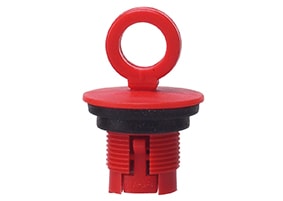
Why lubrication systems matter in industrial maintenance
Bearings, chains, guides, shafts, and other moving parts rely on a stable lubricating film to reduce friction and surface damage. When lubrication is applied too rarely, too much, or at uneven intervals, component life can be affected and machine efficiency may decline over time. A dedicated lubrication solution helps standardize this process and makes maintenance more predictable.
In many plants, lubrication is not just about preventing breakdowns. It also supports cleaner maintenance planning, better use of technician time, and more consistent servicing across equipment fleets. For machines operating in harsh or remote conditions, an automatic lubrication approach can be especially valuable.
Where these systems are commonly used
Lubrication systems are used across a wide range of industrial sectors where repetitive movement, rotating assemblies, or loaded contact surfaces are present. Typical applications include conveyors, motors, pumps, gear-driven units, fans, production machinery, and lifting equipment. They are also relevant wherever manual lubrication is difficult to perform safely or regularly.
Within a broader fluid power and maintenance environment, lubrication often works alongside equipment such as hydraulic pumps and hydraulic cylinders. While these product groups serve different functions, they are often part of the same maintenance planning process in industrial facilities, workshops, and heavy-duty operations.
Key benefits of controlled lubricant delivery
A well-selected system helps deliver lubricant in measured quantities over a defined period rather than relying on irregular manual intervention. This improves consistency and can help reduce both under-lubrication and excessive grease application. In practical terms, that can mean less waste, cleaner machine areas, and better protection of critical friction points.
Another important benefit is easier maintenance management. Technicians can set intervals based on operating conditions and service strategy, making lubrication part of a planned routine instead of a reactive task. This is particularly useful for assets with many lubrication points or machines that operate continuously.
- Consistent lubrication intervals for repetitive or continuous-duty equipment
- Reduced need for frequent manual greasing in difficult access areas
- Better support for preventive maintenance programs
- Cleaner and more controlled use of grease or oil
Example solution in this category
A representative product in this category is the Perma FLEX Lubrication Systems, designed for controlled lubricant dispensing over selectable discharge periods. Based on the provided product context, this solution uses a gas-generating drive unit and is available with different lubricant volumes, making it suitable for maintenance tasks that require flexibility in service intervals.
The available operating range, pressure build-up capability, and sealed construction indicated in the product data suggest suitability for demanding industrial conditions. It can also support grease applications up to NLGI 2, with oil as an option, which makes it relevant for a variety of standard lubrication points found in machinery and mechanical assemblies.
How to choose the right lubrication system
Selection should begin with the application itself rather than with brand or model alone. Start by identifying the lubrication point, the required lubricant type, the needed discharge period, and the environmental conditions around the machine. Temperature range, contamination exposure, mounting position, and accessibility all affect whether a given system will be practical in service.
It is also important to consider how the lubrication solution fits into the wider machine setup. For example, on lifting or force-generating equipment, the lubrication needs of pins, bearings, and moving interfaces may differ from those of hydraulic power components. In some installations, related handling equipment such as a hand pallet truck may share the same maintenance environment, even though the lubrication points and service intervals are different.
When comparing options, buyers typically review:
- Lubricant compatibility, including grease or oil requirements
- Required discharge period and refill or replacement planning
- Operating temperature range
- Protection level for dust, moisture, or washdown exposure
- Pressure capability for the intended lubrication point
Manufacturer focus: PERMA
For users looking for established lubrication technology, PERMA is one of the key manufacturers represented in this category. The brand is widely associated with lubrication solutions for industrial maintenance where consistent delivery and practical installation are important selection criteria.
Choosing a recognized manufacturer can be helpful when standardizing maintenance across multiple machine types. It may also simplify procurement, replacement planning, and alignment with existing lubrication practices already used within a plant or service organization.
Supporting a more reliable maintenance strategy
Lubrication systems are not isolated components; they are part of a broader effort to improve equipment reliability and reduce unnecessary manual intervention. In facilities where uptime matters, even a small improvement in lubrication consistency can contribute to smoother operation and lower maintenance variability over time.
For buyers evaluating this category, the main priority is usually not just finding a lubricant dispenser, but selecting a solution that matches the operating environment, lubricant type, and maintenance interval of the actual machine. With that approach, lubrication becomes a controlled maintenance function rather than a routine task that depends on timing alone.
If you are reviewing options for industrial maintenance and lifting-related equipment, this category provides a practical starting point for selecting lubrication solutions that fit real operating conditions and long-term service planning.
-
-
-
-
-
-
-
-
-
-
-
-
-
-
-
-
-
-
-
-
-
-
-
-