

Veterinary Equipment Repair Service
When veterinary diagnostic devices are used every day in farms, clinics, and field visits, uptime becomes just as important as measurement accuracy. A reliable repair service helps extend equipment life, reduce interruptions in animal care, and restore confidence in instruments that support reproductive checks, mastitis screening, and routine veterinary examinations.
This page focuses on Veterinary Equipment Repair Service for DRAMINSKI instruments commonly used in animal health workflows. Whether the issue involves unstable readings, display problems, charging faults, probe-related concerns, or general wear from regular use, a structured repair process can help return the device to proper working condition and maintain consistency in daily operation.
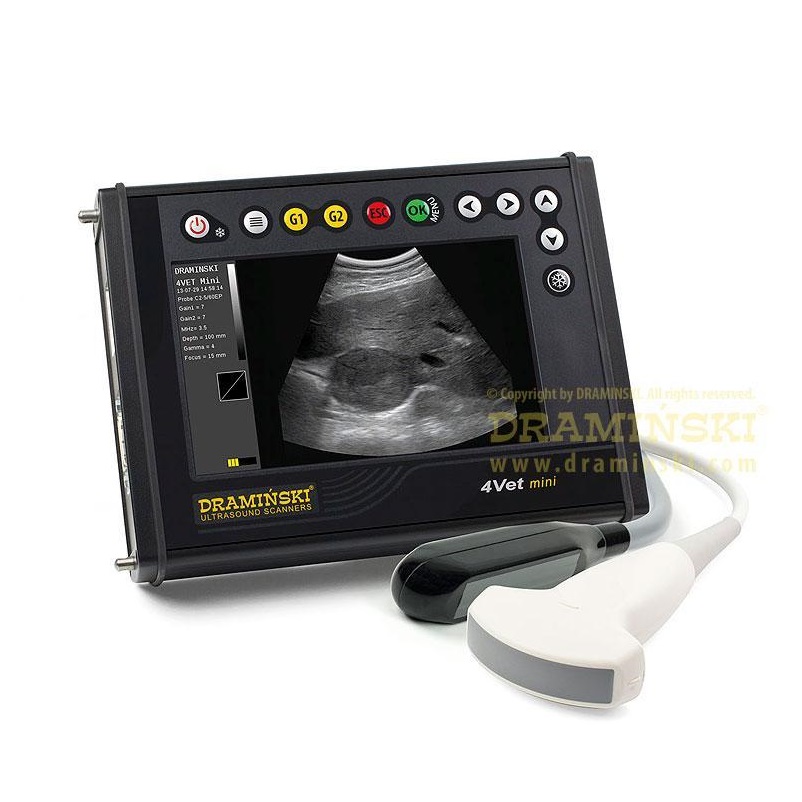
Repair support for practical veterinary applications
Veterinary equipment often operates in demanding environments, from livestock farms to mobile diagnostic settings. Devices may be exposed to dust, humidity, transport vibration, frequent handling, and repeated charging cycles, all of which can affect long-term performance. In this context, repair is not only about fixing a fault but also about preserving the usability of equipment that supports real clinical and herd-management decisions.
Service coverage in this category is especially relevant for DRAMINSKI instruments used in reproductive monitoring, udder health checks, and ultrasound-based examination. For buyers already managing multiple technical assets, this service category sits naturally alongside broader support areas such as electrical and electronic meter repair services when mixed equipment fleets require coordinated maintenance.
Typical equipment covered in this category
This category includes repair support for selected DRAMINSKI devices and related veterinary diagnostic tools. Examples include the DRAMINSKI Pregnancy Detector Repair Service, which is relevant when a pregnancy detector no longer responds as expected or shows inconsistent behavior during routine checks.
It also covers the DRAMINSKI Estrous Detector Repair Service and the DRAMINSKI Mastitis Detector Repair Service, both of which play a role in herd management where reliable readings are essential. For imaging-related equipment, the DRAMINSKI Veterinary ultrasound scanners Repair Service is relevant when ultrasound systems require technical assessment and restoration.
Common signs that a veterinary device may need repair
Some faults appear suddenly, while others develop gradually over time. Users often first notice changes such as unstable measurements, reduced sensitivity, charging issues, damaged connectors, intermittent startup, abnormal screen behavior, or signs that the device no longer performs consistently under normal field conditions.
In veterinary settings, even small performance deviations can create delays or uncertainty during animal assessment. Early service intervention is usually more practical than waiting for a complete failure, especially for equipment used in time-sensitive workflows such as reproduction checks or herd screening. A timely repair approach can also help prevent avoidable downtime during busy production cycles.
Why specialized repair matters for veterinary diagnostic instruments
Veterinary diagnostic equipment is different from general-purpose industrial devices because it is closely tied to application-specific use cases and handling conditions. Instruments such as estrous detectors, pregnancy detectors, mastitis detectors, and veterinary ultrasound scanners are selected for particular tasks, so repair work must consider not only the hardware fault but also how the device is expected to perform in the field.
Working with a brand-focused service scope is valuable here. Since this category centers on DRAMINSKI equipment, the repair context is easier to align with the actual device family and intended veterinary use. For organizations that also maintain test and measurement assets beyond veterinary tools, related support categories such as mechanical measuring instruments repair service may also be relevant within a broader maintenance plan.
How to choose the right repair service
When evaluating a repair option, it helps to start with the device type, the symptoms observed, and the impact on day-to-day operation. A buyer or maintenance coordinator should identify whether the issue affects power, display, signal stability, sensing performance, imaging quality, or general physical integrity. Even a brief description of usage conditions can support a more efficient service workflow.
It is also useful to match the request to the exact equipment family whenever possible. Submitting the service inquiry under the correct product page can reduce ambiguity and make it easier to process instruments such as pregnancy detectors, estrous detectors, mastitis detectors, or ultrasound scanners. This matters especially in B2B environments where multiple similar devices may be managed across sites or teams.
Repair as part of long-term equipment lifecycle management
For farms, veterinary practices, distributors, and service organizations, repair should be viewed as part of a broader equipment lifecycle strategy rather than a one-time reaction to failure. Keeping diagnostic devices in serviceable condition helps protect previous investment, supports operational continuity, and can reduce the need for premature replacement.
This is particularly important when equipment is used in repetitive field routines where staff depend on familiar tools and established workflows. A structured repair path supports consistency across maintenance records, service planning, and equipment readiness, especially when organizations also manage other technical categories such as power supplies or laboratory-related instruments elsewhere in their operation.
When this service category is the right fit
This category is suitable when the equipment in question is a veterinary diagnostic device and the service need is clearly related to repair rather than initial purchase. It is especially relevant for users of DRAMINSKI equipment who need a practical route for restoring instrument function after wear, damage, or performance issues emerge in real operating conditions.
If your application involves reproductive diagnostics, mastitis screening, or veterinary ultrasound work, choosing a repair service aligned with the actual device type helps create a more efficient support process. That makes this category a useful reference point for maintenance planning, replacement decisions, and day-to-day service coordination in animal health environments.
Choosing the right veterinary equipment repair path starts with understanding how the device is used, what symptoms are appearing, and which instrument family is affected. With service options available for key DRAMINSKI diagnostic tools, this category helps buyers and technical teams approach repairs in a more organized way and keep essential veterinary equipment working where it matters most.
-
-
-
-
-
-
-
-
-
-
-
-
-
-
-
-
-
-
-
-
-
-
-
-