

Metal detector Repair Service
When a metal detector starts giving unstable readings, losing sensitivity, or failing to respond consistently, the problem can quickly affect inspection workflows, field operations, and maintenance schedules. A professional Metal detector Repair Service helps restore detection performance, improve reliability, and extend the usable life of equipment that is often critical to quality control, safety, or search applications.
This category is intended for users who need support for detector repair across recognized brands and common service scenarios. Whether the issue involves intermittent operation, reduced detection accuracy, power-related faults, or general wear after long-term use, a structured repair process can be a practical alternative to early replacement.
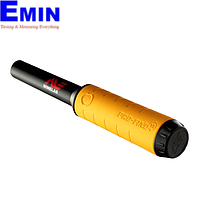
Why metal detector repair matters in daily operation
Metal detectors are used in environments where dependable performance matters. In industrial inspection, maintenance teams rely on stable operation to avoid false triggers and unnecessary downtime. In field use, users need equipment that responds predictably in changing ground and environmental conditions.
Over time, components can drift, connections may weaken, and overall response can become less consistent. A proper repair service focuses on identifying the fault, checking the affected assemblies, and returning the unit to working condition so the detector can be used with greater confidence again.
Typical service needs covered in this category
Repair demand often starts with symptoms rather than a confirmed root cause. Examples include detectors that do not power on, irregular alarms, weak detection range, unstable signals, control issues, or physical damage affecting operation. In some cases, the detector may still run, but performance is no longer acceptable for the intended task.
This category brings together service options for equipment from major brands such as MINELAB, Garrett, SANKO, TAKACHIHO, and ZOAN. The goal is not only to address obvious failures, but also to support equipment that needs diagnostic review after heavy usage, transportation impact, or aging-related issues.
Brand-specific repair options available
Some users already know the brand and service path they need. For that reason, this page includes representative repair entries such as the MINELAB Metal Detector Repair Service, Garrett Metal Detector Repair Service, SANKO Metal Detector Repair Service, TAKACHIHO Metal Detector Repair Service, and ZOAN Metal Detector Repair Service.
These service listings are useful when you want to align repair handling with a specific manufacturer ecosystem. If your installed base includes more than one brand, choosing the correct service route can help streamline troubleshooting and reduce the risk of mismatched handling procedures or unnecessary turnaround delays.
How to decide when repair is the right choice
A repair request is often appropriate when the detector has known value in current operations, the fault appears limited, or replacement would cause unnecessary disruption. This is especially relevant when operators are already familiar with the device, mounting arrangement, workflow, or inspection setup built around it.
In practice, it helps to document the failure symptoms before sending equipment for service. Note whether the issue is constant or intermittent, whether it appears after warm-up, and whether the detector shows changes in sensitivity, audible response, controls, or display behavior. Clear fault descriptions can make the repair process more efficient and improve the chances of faster diagnosis.
What to look for in a repair service process
A useful repair workflow typically begins with inspection and fault evaluation rather than assumptions. This matters because similar symptoms can come from different causes, including internal electronic faults, damaged connectors, worn controls, or environmental exposure. A structured service path helps ensure the actual failure is addressed instead of only the visible symptom.
For technical buyers and maintenance teams, it is also important to consider service compatibility with the detector brand and application context. If your organization handles other specialized instruments, related support categories such as coating thickness meter repair service or laser power meter repair service may also be relevant within the same maintenance planning framework.
Supporting different use environments and equipment conditions
Not all metal detectors operate under the same conditions. Some are used in demanding industrial settings where dust, vibration, and repetitive use can affect long-term stability. Others are used in field conditions where transport, handling, and exposure to varying surfaces may contribute to performance issues over time.
This is why diagnostic accuracy is an important part of repair. A unit that appears to have a major fault may only need targeted correction, while a detector with inconsistent behavior may require deeper inspection to identify a less obvious issue. Repair service is most effective when it reflects the actual operating context of the instrument.
Related repair needs in a broader instrument maintenance program
Many organizations do not manage metal detectors in isolation. They often maintain a wider portfolio of inspection and specialty instruments, each with different service intervals, failure patterns, and operational importance. Organizing repair activity by equipment type can help reduce downtime and improve internal asset visibility.
For teams working across multiple test and inspection devices, other specialist categories such as compressed air and gases tester repair service or Garrett equipment solutions may be useful reference points when planning brand support and instrument servicing more broadly.
Choosing the right service entry on this page
If you already know the brand, selecting the corresponding repair service listing is usually the most direct starting point. If the fault is still unclear, use the available service options to narrow the request based on the equipment manufacturer and the symptoms you are observing. This can help move the case toward evaluation with less back-and-forth.
From routine fault investigation to more specific repair needs, this category is designed to support users who want a practical service path for restoring detector function. Reviewing the relevant brand entry on this page is a good next step when you need dependable support for a metal detector that is no longer performing as expected.
-
-
-
-
-
-
-
-
-
-
-
-
-
-
-
-
-
-
-
-
-
-
-
-