

Pressure sensor Repair Service
When a pressure sensing device starts drifting, responding slowly, or failing intermittently, the impact can spread quickly across production, utilities, testing, and process control systems. In many industrial environments, restoring measurement reliability is more practical than replacing equipment immediately, especially when the sensor is tied to existing control logic, mechanical fittings, or installed instrumentation. That is where Pressure sensor Repair Service becomes relevant.
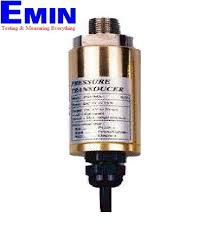
A well-scoped repair service helps identify whether the problem comes from the sensing element, electrical connection, output instability, contamination, mechanical damage, or installation-related stress. For maintenance teams, OEM-independent buyers, and plant engineers, the goal is not only to restore operation but also to understand the likely failure mode so that repeat issues can be reduced.
Why pressure sensor repair matters in industrial systems
Pressure sensors are used in a wide range of applications, from machine hydraulics and compressed air systems to process skids, pumps, tanks, and automated production lines. Even a small deviation in measurement can affect alarms, control loops, safety margins, or quality consistency. In systems that depend on stable feedback, a faulty sensor can create both operational risk and unnecessary troubleshooting time.
A dedicated repair process is useful when the device still has value in service, when replacement lead time is a concern, or when the root cause is not obvious. Instead of treating every issue as a simple failure, repair work can support fault isolation, functional recovery, and a clearer maintenance decision between repair, recalibration, or replacement.
Typical issues addressed by a pressure sensor repair service
Not every failure looks the same. Some sensors fail completely, while others continue operating with unstable output, offset drift, or signal dropouts under vibration, temperature change, or pressure cycling. In practice, symptoms may appear first at the system level, such as inconsistent readings on an HMI, unexplained process alarms, or poor controller response.
Common service cases often include damaged connectors, wiring faults, contamination at the pressure port, mechanical stress from installation, degraded signal behavior, and general wear from long-term operation. In some applications, exposure to harsh media, pressure spikes, or repeated shock loads can also contribute to premature sensor problems. For facilities dealing with broader instrument issues, related support may also be relevant, such as pressure transmitter repair when the installed device is part of a more complex measurement chain.
What to expect from the repair workflow
A structured service process usually starts with an incoming inspection and symptom review. This stage helps confirm the device condition, identify visible damage, and compare the reported fault with actual behavior. In industrial repair environments, this first step is important because many pressure-related issues can be influenced by application conditions as much as by the sensor itself.
Once the issue is identified, the repair path may involve cleaning, connection repair, component-level work where appropriate, and functional verification. The purpose is to restore measurement integrity as far as the device condition allows. Depending on the case, post-repair testing may also be used to check stability, repeatability, and basic output response before the sensor is returned for service.
When repair is a sensible choice
Repair is often worth considering when the pressure sensor is part of an installed machine or process where replacement is not immediately straightforward. This is common in legacy systems, customized assemblies, or applications where the exact mounting, signal format, or mechanical interface must be preserved. In such cases, repair can help reduce downtime and avoid unnecessary redesign work.
It can also be a practical option when the fault appears limited rather than catastrophic. For example, if the issue is related to intermittent connection behavior, minor mechanical damage, or recoverable contamination, a repair-first approach may be more efficient than a full changeout. On the other hand, if a broader measuring setup is involved, users may also compare service scope with options like portable pressure meter repair service or fixed pressure gauge repair service depending on the instrument type in use.
Key points to check before sending a sensor for repair
Providing clear background information helps speed up diagnosis and improves the chance of a meaningful repair outcome. Useful details typically include the observed symptom, operating environment, pressure range in actual use, installation method, signal type, and whether the problem is constant or intermittent. If the issue occurs only under load, vibration, or temperature change, that information can be especially valuable.
It is also helpful to note whether the sensor has been exposed to overpressure, fluid ingress, impact, or wiring modification. In many industrial cases, the root cause is not a single internal defect but a combination of application stress and gradual degradation. A more complete service request supports better troubleshooting accuracy and can reduce repeated maintenance cycles after reinstalling the device.
Repair service within a broader pressure instrumentation strategy
Pressure sensor repair should be viewed as part of a wider maintenance approach rather than an isolated task. In plants with mixed instrumentation, similar symptoms can appear across sensors, gauges, transmitters, and hydraulic measurement devices, even though the technical causes differ. Looking at the full measurement chain helps maintenance teams decide whether the issue belongs to the sensor itself, the wiring path, the display unit, or the process connection.
For organizations handling hydraulic applications in parallel with electronic sensing, it may also be useful to review related support such as hydraulic meter repair service. This kind of category-level comparison can make purchasing and maintenance planning more consistent, especially when several pressure instruments are managed across the same facility.
Choosing the right service focus
Not every service request has the same objective. Some users need a failed sensor restored for immediate return to operation, while others want a technical assessment before deciding whether repair is still economical. A good category-level approach is to match the service expectation to the actual business need: restore function, investigate failure, or support maintenance planning for recurring faults.
For B2B buyers and technical teams, the most useful repair service is one that improves confidence in the next step. Whether that means repair, further inspection, or replacement, the process should help clarify the condition of the device and its role in the larger system. For pressure measurement assets that still fit the application, repair remains a practical option for extending service life and reducing avoidable downtime.
If your operation depends on stable pressure feedback, a focused repair path can help bring suspect sensors back into a usable condition while supporting better maintenance decisions going forward. Reviewing the device symptoms, application context, and service scope early usually leads to a faster and more effective outcome.
-
-
-
-
-
-
-
-
-
-
-
-
-
-
-
-
-
-
-
-
-
-
-
-