

Water Vapor Transmission Rate Test System Repair Service
When a packaging or materials lab depends on reliable barrier testing, even a small fault in the test system can delay qualification work, affect trend data, and interrupt production support. Water Vapor Transmission Rate Test System Repair Service is intended for organizations that need to restore performance, improve measurement stability, and keep moisture permeability testing equipment operating with confidence.
These systems are commonly used in packaging, films, medical materials, and industrial quality control where water vapor barrier performance matters. Because the equipment combines controlled environmental conditions, sensors, test chambers, and instrument electronics, repair work needs to address both the mechanical and measurement side of the system rather than only replacing an obvious failed part.
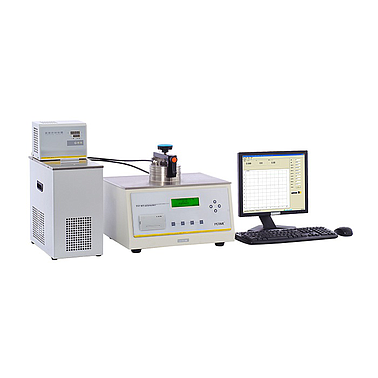
Why repair support matters for WVTR testing equipment
A water vapor transmission rate system is expected to deliver repeatable results under controlled test conditions. If chamber sealing degrades, sensors drift, temperature or humidity control becomes unstable, or the instrument interface behaves inconsistently, the result may be poor repeatability, extended setup time, or unreliable data.
Repair service helps address these issues before they create larger quality problems. For many laboratories, restoring an existing system is a practical option when the instrument is still suitable for the required method but no longer performing as expected in daily use.
Typical issues seen in water vapor transmission rate test systems
Faults can appear gradually or suddenly depending on how heavily the equipment is used and how demanding the environment is. Common concerns often include unstable readings, failure to maintain test conditions, chamber leakage, communication errors, display or control problems, and irregular test cycle behavior.
Instruments used for barrier evaluation also rely on proper alignment and condition of seals, tubing, fixtures, and internal components. When these areas are overlooked, test results may shift without a clear warning. That is why diagnostic repair should focus on the full measurement chain, from environmental control to data output.
Service scope for different brands and lab setups
This category is relevant for organizations using systems from brands such as Labthink, Uby Tech, and HST, where the goal is to recover function and maintain dependable testing capability. The exact service path may vary by platform, but the core need is similar: identify the cause of instability and return the instrument to usable condition with minimal disruption to lab work.
Representative services in this area include the Labthink Water Vapor Transmission Rate Test Repair Service, alongside support examples such as Uby Tech Steam Penetration Tester Repair Service and HST Water Proof Testing Machine Repair Service. These examples show the broader repair context around physical and barrier-related testing equipment, where system uptime and result consistency are essential.
How to evaluate whether your system needs repair
Not every performance issue starts with a complete failure. In many cases, labs first notice longer stabilization time, unusual baseline movement, inconsistent repeat tests, or operator complaints about controls and alarms. Those symptoms often indicate that the system should be inspected before it affects product release or R&D schedules.
A useful way to assess the need for service is to review recent test variability, environmental control behavior, and any recurring faults during setup or operation. If your team is comparing permeability data across multiple methods, it may also be helpful to review adjacent service categories such as oxygen permeation system repair service when similar barrier-testing infrastructure is involved.
What buyers should look for in a repair service
For B2B users, the most important factor is not simply whether the system powers on, but whether it can return to a stable operating condition appropriate for real testing work. A suitable repair approach should consider fault diagnosis, functional verification, replacement of worn or failed components where needed, and confirmation that the system can complete normal operating sequences.
It is also important to match the repair discussion to the actual application. A packaging lab, converter, or material development team may need different follow-up actions depending on how the instrument is used, how frequently it runs, and whether the issue is isolated or part of a broader maintenance pattern. In facilities with multiple physical test instruments, related categories such as abrasion tester repair service can also be relevant for planning wider equipment support.
Repair versus replacement in barrier testing laboratories
Replacing an instrument is not always the most efficient decision, especially when the existing platform still fits the required test workflow. If the root problem is tied to wear, controls, sensing, sealing, or subsystem failure, repair may extend the usable life of the equipment and reduce disruption compared with introducing a new platform into a validated process.
At the same time, a repair decision should be based on the condition of the system, expected workload, and the importance of result continuity. For many labs, restoring test reliability is the primary goal, especially when historical comparisons and established procedures depend on a familiar instrument setup.
Fit within a broader mechanical and physical testing support strategy
Water vapor barrier testing rarely exists in isolation. Laboratories often manage several types of physical test systems, each with its own maintenance and repair requirements. Building a structured support plan across these assets can reduce unexpected downtime and help teams respond more quickly when a problem appears.
Depending on the facility, related needs may extend beyond permeability equipment to other instruments in the same service family, such as furnaces repair service. Looking at repair needs in a connected way can make budgeting, scheduling, and lab resource planning more practical.
Choosing the right service path for your equipment
If your current system shows unstable moisture transmission results, chamber or control issues, or other recurring operational faults, a focused repair assessment is often the best starting point. The right service helps identify the actual failure mechanism instead of treating only visible symptoms, which is especially important for instruments used in quality-sensitive testing environments.
This category supports buyers who need a practical route to recover WVTR test system performance while keeping lab operations aligned with real production, R&D, and compliance needs. Whether you are maintaining a dedicated barrier testing setup or managing a wider portfolio of material testing instruments, a well-targeted repair strategy can help protect uptime, data quality, and day-to-day workflow.
-
-
-
-
-
-
-
-
-
-
-
-
-
-
-
-
-
-
-
-
-
-
-
-