

Universal Tensile Testing Machine Repair Service
When a tensile testing machine starts giving unstable readings, drifting load values, or inconsistent crosshead movement, the problem quickly affects product validation, incoming inspection, and routine quality control. A reliable Universal Tensile Testing Machine Repair Service helps restore testing performance so laboratories, manufacturers, and inspection teams can continue mechanical testing with greater confidence and less downtime.
Because these systems are used for tensile, compression, peel, and other force-related tests, repair work is rarely limited to a single part. Mechanical wear, sensor issues, drive problems, controller faults, and software-related abnormalities can all influence test repeatability. This category focuses on repair support for universal tensile and force testing equipment used across industrial and laboratory environments.
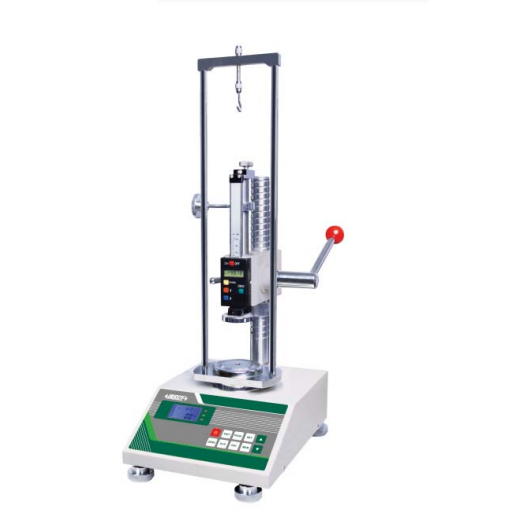
Why repair quality matters for tensile testing equipment
A universal tensile testing machine is expected to apply force in a controlled and repeatable way. If the machine develops alignment issues, irregular travel, unstable force response, or communication errors, the resulting data may no longer reflect the actual behavior of the sample under test. In production and R&D settings, that can lead to incorrect material evaluation and unnecessary retesting.
Professional repair service is therefore not only about getting the machine running again. It is also about recovering measurement stability, dependable motion control, and a usable testing workflow. This is especially important for organizations that rely on routine tensile testing to support internal quality procedures, customer requirements, or verification of material properties.
Typical issues addressed in this service category
Repair needs can appear gradually or suddenly depending on machine age, usage frequency, and operating conditions. Common symptoms include unexpected stopping during a test, poor force indication, inconsistent grip movement, abnormal noise from the drive system, or software that no longer communicates correctly with the instrument.
In many cases, the fault may involve load sensing, motor drive behavior, control electronics, travel feedback, or wear in the machine structure. Some users also request service after impact damage, overload events, or long periods of inactivity. For broader maintenance needs in related test equipment, users may also review services such as abrasion tester repair when their lab handles multiple forms of physical testing.
Supported brands and repair scope
This category includes service references for equipment from several established manufacturers used in force and tensile testing. Examples include KMT, SAUTER, Yasuda, JFM, MStech, and TONYHK. Mentioning these brands helps clarify the type of equipment covered, while the actual repair approach depends on the machine condition, fault symptoms, and available service pathway.
Representative listings in this category include the KMT Tensile Testing Machine Repair Service, Yasuda Tensile Testing Machine Repair Service, JFM Tensile Testing Machine Repair Service, TONYHK Tensile Testing Machine Repair Service, MStech Tensile Testing Machine Repair Service, and MStech Force testing machine Repair Service. There is also support related to the SAUTER Motorised vertical test stand Repair Service, which is relevant where a motorized force measurement setup forms part of the testing workflow.
How universal tensile testing machine repair is typically evaluated
Before any effective repair can be planned, the machine condition usually needs to be assessed from both a mechanical and control perspective. A proper evaluation may consider symptoms such as force instability, display errors, non-uniform travel, grip behavior, or inability to complete test sequences. This initial review helps determine whether the root cause is isolated or linked to several interacting subsystems.
For users, it is helpful to record what happens before the failure, whether the problem is repeatable, and which test mode is affected. Details such as recent overload events, changes in sample type, or communication issues with the operating interface can make troubleshooting faster. In testing environments where multiple instruments require support, related service categories like furnaces repair service may also be relevant for broader laboratory upkeep.
Choosing the right service for your equipment
Not every fault requires the same level of intervention. Some cases are centered on restoring machine movement or control response, while others involve deeper work on the load measurement system or the structural and transmission components that affect test accuracy. For that reason, choosing a suitable repair path starts with matching the service to the machine type and the observed operating problem.
If your equipment is tied to a specific maker, using a brand-aligned service page can make the search process easier. For example, users working with MStech systems may refer to the MStech Tensile Testing Machine Repair Service or the MStech Force testing machine Repair Service, while facilities using KMT, Yasuda, JFM, or TONYHK equipment may prefer the corresponding service entries. This category is useful when the need is centered more broadly on universal tensile testing equipment rather than a single model line.
Repair service within a wider testing and quality ecosystem
Tensile testing machines are often only one part of a larger inspection or materials testing workflow. A quality lab may also operate permeability systems, abrasion testers, furnaces, or optical measurement devices, and downtime in any one area can affect throughput across the entire process. That is why many buyers look for repair categories that fit into a larger maintenance strategy instead of treating each device in isolation.
Depending on the application, complementary support may include oxygen permeation system repair service or other mechanical and physical testing equipment services. This broader perspective is especially valuable for manufacturers and test labs that need continuity across different measurement and validation stages.
Who this category is most relevant for
This service category is suitable for factories, QA laboratories, third-party test facilities, educational labs, and engineering teams that depend on routine force and material testing. It is particularly relevant when a machine still has operational value but can no longer deliver stable results or normal day-to-day usability.
It may also be the right starting point if you are unsure whether the problem is mechanical, electrical, or software-related. In those situations, a category focused on tensile testing machine repair helps narrow the search and connect the equipment issue to a more appropriate support route.
Final considerations before arranging service
Before requesting repair, it is useful to prepare the machine brand, service history, visible fault symptoms, and a short description of the failed test condition. This information can help speed up diagnosis and reduce unnecessary back-and-forth during the service process. If the equipment belongs to a known maker such as KMT, SAUTER, Yasuda, JFM, MStech, or TONYHK, that context can also help identify the most relevant repair entry.
For organizations that rely on dependable mechanical testing, a well-matched repair service is an important step toward restoring repeatable test performance and reducing disruption to quality workflows. This category is designed to support that search by grouping repair options around universal tensile and force testing equipment used in real industrial and laboratory applications.
-
-
-
-
-
-
-
-
-
-
-
-
-
-
-
-
-
-
-
-
-
-
-
-