

Solar Simulation Test Chamber Repair Service
When a solar simulation test chamber starts drifting from its intended performance, test results can quickly become difficult to trust. In reliability labs, materials testing environments, and product qualification workflows, stable light intensity, temperature control, and chamber operation all matter because small deviations may affect repeatability and comparison between batches. A dedicated Solar Simulation Test Chamber Repair Service helps restore equipment function so testing can continue with better confidence and less unplanned downtime.
This category is intended for organizations that need repair support for chamber-related faults, unstable operation, component wear, or performance issues in solar simulation testing equipment. Whether the problem appears in the illumination system, control behavior, thermal regulation, or general chamber mechanics, repair work should focus on returning the system to dependable working condition while preserving its role in the broader test process.
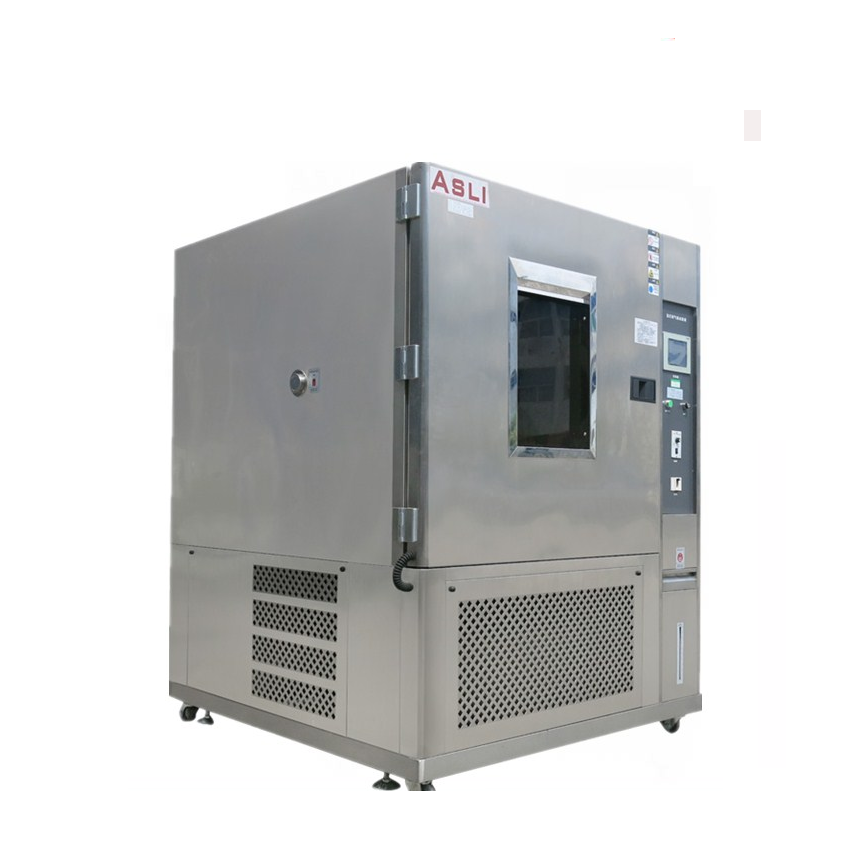
Why repair support matters for solar simulation chambers
Solar simulation chambers are used where controlled exposure conditions are important for evaluating material response, product durability, or environmental behavior under simulated sunlight. Because these systems combine multiple functions in one platform, a fault in one section can influence the overall test environment. In practice, users may notice inconsistent chamber response, irregular cycling, control errors, or reduced stability during long test runs.
Timely repair is not only about fixing a failed part. It is also about recovering test consistency and reducing the risk of wasted samples, interrupted schedules, or questionable data. For businesses that rely on chamber testing as part of quality assurance or development validation, repair service becomes an operational requirement rather than a simple maintenance task.
Typical issues found in this type of equipment
A solar simulation chamber brings together light exposure, environmental control, electrical systems, and safety functions. That means troubleshooting usually requires attention to several interacting areas rather than a single isolated component. Problems may appear as unstable chamber operation, unexpected shutdowns, control panel abnormalities, poor response during programmed sequences, or performance drift over time.
Mechanical wear, aging electronic assemblies, thermal control faults, and sensor-related issues can all affect chamber behavior. In some cases, the chamber still runs but no longer maintains the intended conditions reliably. In others, the unit may fail to start or produce repeated alarms. A structured repair approach helps identify whether the root cause sits in the chamber mechanics, power and control section, or another functional subsystem.
Repair service in the context of laboratory equipment reliability
Repairing a solar simulation test chamber should be considered part of a wider equipment reliability strategy. Laboratories and industrial test facilities often operate several specialized systems in parallel, and a single failed chamber can disrupt throughput across multiple projects. Restoring one instrument quickly can be just as important as maintaining the rest of the testing line.
For facilities that also manage other physical or barrier-property test platforms, related support may be relevant in adjacent workflows. For example, organizations handling packaging or material evaluation may also require repair for water vapor transmission rate systems or service for oxygen permeation equipment. Looking at repair needs across the full lab environment can help reduce repeated downtime and improve service planning.
ASLI chamber repair support within this category
This category includes service relevance for ASLI equipment, including the ASLI Solar simulation test chamber Repair Service listed as a representative option. For users operating ASLI systems, manufacturer-specific familiarity can be important when diagnosing control logic behavior, chamber operating faults, or issues related to integrated subsystems.
In repair scenarios, brand familiarity does not simply mean identifying a model name. It supports more efficient fault isolation, more appropriate handling of chamber architecture, and clearer alignment with the way the original equipment is configured. That is especially useful for complex laboratory systems where performance depends on the interaction between environmental control and exposure conditions.
How to evaluate whether repair is the right next step
Not every chamber problem presents as a complete failure. Many service requests start with symptoms such as unstable performance, slower response, unexpected readings, or a chamber that no longer behaves the same as before. When these signs begin to affect testing schedules or result confidence, repair assessment is usually justified.
It is helpful to document when the issue occurs, whether it is repeatable, and how it affects normal operation. Information such as alarm behavior, warm-up problems, interrupted cycles, or visible irregularities can help narrow down the likely cause. A repair-oriented review should then determine whether the issue is related to electrical control, chamber hardware, environmental regulation, or a broader wear-related condition.
Related repair categories in a broader testing facility
Many organizations that use solar simulation chambers also maintain other thermal or physical testing instruments. If your facility works with elevated-temperature processes or material conditioning equipment, furnaces repair services may also be relevant within the same maintenance planning cycle. Coordinating multiple repair categories can help simplify service management across the lab.
For physical durability and appearance-related evaluation, some facilities also support instruments used for wear or visual change assessment. In that context, additional categories such as discoloration meter repair service can complement chamber-related support. These related categories are useful when planning service coverage for a complete testing environment rather than a single instrument in isolation.
Choosing a suitable service path
The right repair path depends on the operational role of the chamber, the severity of the fault, and how urgently testing capacity needs to be restored. Some users need support for intermittent but manageable issues, while others are dealing with a full equipment stoppage. In both cases, the goal is the same: return the system to a usable state with clear attention to functional reliability.
When reviewing options in this category, it makes sense to consider equipment type, observed symptoms, and the need for service familiarity with the installed platform. For organizations using solar simulation chambers as part of qualification, aging, or materials testing workflows, reliable repair support helps protect both equipment value and testing continuity.
Conclusion
Solar simulation chambers play a critical role wherever controlled light and environmental conditions are part of product or material evaluation. When chamber performance declines, a focused repair service can help recover operational stability, reduce disruptions, and support more dependable testing outcomes.
If your equipment is showing signs of drift, failure, or inconsistent behavior, this category provides a practical starting point for identifying repair support relevant to solar simulation test chamber systems, including ASLI-related service needs within a broader laboratory repair framework.
-
-
-
-
-
-
-
-
-
-
-
-
-
-
-
-
-
-
-
-
-
-
-
-