

Furnaces Repair Service
When a laboratory or industrial thermal process starts showing unstable temperature behavior, slow heat-up time, controller errors, or uneven chamber performance, repair often becomes more practical than immediate replacement. Furnaces Repair Service is intended for organizations that need to restore dependable operation, reduce downtime, and maintain confidence in heat treatment, drying, material testing, or other controlled-heating applications.
In technical environments, furnace issues are rarely limited to a single component. Heating elements, sensors, insulation, control boards, relays, and door sealing parts can all affect temperature stability and process repeatability. A structured repair approach helps identify the actual source of failure and supports more reliable operation after service.
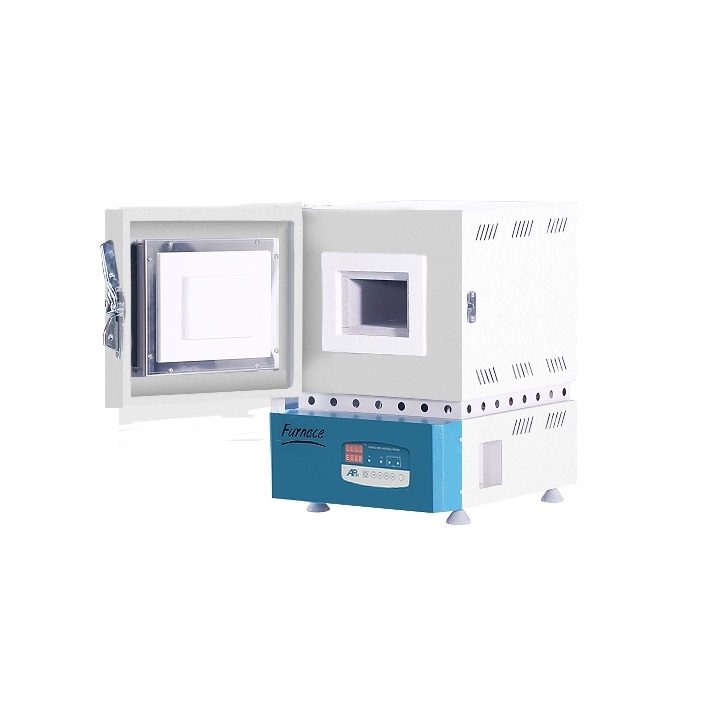
Why furnace repair matters in testing and thermal processing
Furnaces are widely used in laboratories, research facilities, quality control departments, and production settings where controlled heating is part of the workflow. Even small deviations in temperature response can influence sample conditioning, material behavior, drying consistency, or thermal treatment results. That is why repair work should focus not only on getting the unit to power on again, but also on restoring usable and stable performance.
Common service needs may involve temperature overshoot, incomplete heating, failure to hold setpoint, abnormal alarms, damaged chamber components, or electrical faults. In these cases, repair can help extend equipment life and reduce interruption to daily operation, especially when the furnace remains suitable for the required process after restoration.
Typical issues addressed by furnace repair services
A furnace may fail gradually or stop unexpectedly. Some problems develop through wear in high-temperature components, while others are linked to electrical control, sensing accuracy, or mechanical damage from repeated use. Effective repair begins with understanding how the fault appears during actual operation.
Typical service situations include unstable temperature control, heater malfunction, sensor or thermocouple-related errors, switching component failure, controller display issues, door leakage, and degraded insulation. In some cases, users may also request evaluation after the furnace has experienced overheating, long idle periods, or irregular power conditions.
For organizations using multiple types of testing equipment, related support may also be relevant in areas such as abrasion tester repair or discoloration meter service, depending on the broader maintenance plan for the lab.
Support for common furnace brands in the category
This category includes service references for several established manufacturers used in laboratory and industrial environments. Examples include NABERTHERM, Yamato Scale, DaiHan, SH Scientific, and WITEG. Brand-specific familiarity can be important when troubleshooting controller behavior, replacement compatibility, chamber layout, or expected operating characteristics.
Representative service listings in this category include Nabertherm Furnaces Repair Service, Yamato Furnaces Repair Service, Daihan Furnaces Repair Service, SH Scientific Furnaces Repair Service, and WITEG Furnaces Repair Service. These examples help clarify the scope of supported service needs without turning the page into a simple brand list. The main objective is to match the repair process to the actual furnace condition and the operational context in which it is used.
How a furnace repair request is typically evaluated
A useful repair process usually starts with a basic technical review of the fault symptoms. This may include whether the furnace powers on, whether the chamber heats at all, whether the displayed temperature matches expected behavior, and whether the problem is repeatable across multiple cycles. Clear fault descriptions help reduce diagnosis time and make service planning more efficient.
From there, attention normally shifts to the furnace’s heating system, temperature sensing, and control section. In many cases, these areas are closely linked, so replacing one part without checking the surrounding system may not fully solve the issue. A good repair workflow therefore emphasizes fault isolation before corrective action.
When repair is a practical option
Repair is often a sensible path when the furnace structure is still usable, the chamber remains in acceptable condition, and the fault is concentrated in serviceable electrical or thermal components. This approach can be especially relevant for laboratories that want to preserve established workflows or avoid the delay of sourcing a new unit.
It may also be appropriate when the equipment has process value tied to its size, operating range, or integration into an existing setup. For buyers comparing service categories, this page can be considered alongside other technical support areas such as oxygen permeation system repair service if multiple instruments in the same facility require coordinated maintenance planning.
Information that helps speed up service handling
To improve repair assessment, it is helpful to provide the furnace brand, model reference, observed fault condition, alarm messages if available, and a short description of what happened before the issue began. Notes about recent maintenance, unusual smell, noise, heating delay, or breaker trips can also support diagnosis.
For equipment from brands such as SH Scientific, DaiHan, WITEG, Yamato Scale, or NABERTHERM, accurate identification helps align the service request with the correct product family. Even when the exact root cause is not yet known, good input information can make the repair path more direct and reduce unnecessary back-and-forth.
Choosing the right service scope for your furnace
Not every furnace issue requires the same level of intervention. Some cases are limited to a failed component, while others involve broader restoration of thermal performance, electrical safety, and chamber condition. The right scope depends on how the unit is used, how critical temperature consistency is, and whether the furnace supports testing, research, or production tasks.
For B2B buyers, the most useful category page is one that helps frame the repair need clearly: what the furnace is doing, what it should be doing, and what level of reliability is required after service. That makes it easier to move from symptom reporting to practical technical action.
Conclusion
Furnace problems can affect more than heating alone—they can disrupt process quality, scheduling, and confidence in test or production results. A focused repair service helps address faults in the thermal, sensing, and control systems that matter most for day-to-day operation.
If your equipment is showing unstable performance, heating failure, or controller-related issues, this category provides a practical starting point for reviewing service options across supported furnace brands and common repair scenarios. The goal is not simply to restore power, but to return the furnace to a condition that is useful for real technical work.
-
-
-
-
-
-
-
-
-
-
-
-
-
-
-
-
-
-
-
-
-
-
-
-