

OXYGEN heat meter Repair Service
Accurate thermal analysis depends on stable instrument performance, repeatable measurement conditions, and timely maintenance when a system begins to drift. For laboratories that rely on combustion and calorific testing, OXYGEN heat meter Repair Service helps restore dependable operation, reduce unexpected downtime, and support consistent test results across routine and critical work.
In practice, repair needs often appear as unstable readings, ignition problems, communication faults, temperature control issues, or general wear after long operating cycles. A structured service approach is especially important for laboratories that use oxygen-based heat measurement equipment in research, quality control, or material evaluation, where instrument reliability directly affects workflow and confidence in the data.
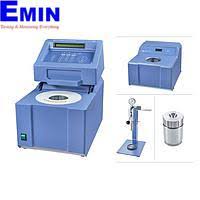
Why repair and maintenance matter for oxygen heat meter systems
These instruments operate within a measurement environment where thermal stability, controlled combustion conditions, and sensor response all influence the final result. Even when a unit continues to run, small deviations in control components or supporting assemblies can lead to inconsistent performance over time.
Repair service is therefore not only about fixing a visible failure. It is also about identifying the source of abnormal behavior, checking the condition of critical parts, and restoring the system so it can return to normal laboratory use with fewer interruptions. For many users, this is the practical path between full replacement and trying to work around unresolved instrument issues.
Common situations that indicate service may be needed
Laboratory teams usually seek service when daily operation becomes less predictable. Signs can include difficulty completing a normal test cycle, unexpected alarms, unstable output, or delayed thermal response. In some cases, the issue may be mechanical; in others, it may relate to electronics, control logic, or component aging.
Another common trigger is preventive maintenance after sustained use. Instead of waiting for a full breakdown, many facilities schedule repair and inspection when they notice gradual changes in repeatability or overall instrument behavior. This approach is particularly valuable in regulated or high-throughput environments where a failed test sequence can affect productivity beyond a single instrument.
Service support for well-known laboratory brands
This category includes service options relevant to established laboratory equipment manufacturers such as IKA and Falex. Brand familiarity matters in repair work because service planning often depends on equipment architecture, common wear patterns, and the way specific systems are used in real laboratory settings.
Rather than treating every unit the same, a suitable repair process should consider the instrument’s operating history, observed fault symptoms, and the practical expectations of the laboratory. That is especially useful when users need support for known platforms and want service aligned with the actual role of the equipment in testing workflows.
Representative repair service options in this category
Two examples in this category are the Falex OXYGEN Heat Meter Repair Service and the IKA OXYGEN Heat Meter Repair Service. These listings are relevant for buyers who want a clearer starting point based on the manufacturer of the instrument they are using.
Product-level service pages can help narrow the request when a laboratory already knows the brand involved. At the same time, the broader category remains useful for users who are still reviewing repair options, comparing service pathways, or identifying the most relevant support route for a non-routine equipment issue.
How to evaluate the right repair path
When selecting a repair service, it is helpful to start with the actual operating symptom rather than only the instrument name. A useful review may include whether the unit powers correctly, whether test sequences complete normally, whether measured values remain repeatable, and whether the problem is intermittent or constant. This context helps define whether the issue is likely related to wear, calibration drift, control elements, or a broader system fault.
It is also worth considering how the instrument fits into the overall laboratory process. If the equipment supports routine sample preparation or thermal characterization as part of a larger testing chain, downtime can ripple into other functions. In those cases, buyers often review related service areas such as water bath repair service or rotary evaporator repair service when maintaining multiple lab systems at the same time.
What B2B buyers typically look for in a repair service category
For procurement teams, lab managers, and technical users, the decision is rarely based on a generic description alone. They usually need a service category that clearly maps to the equipment type, supports recognized manufacturers, and makes it easier to move from fault identification to a practical repair request. A well-structured category page helps reduce ambiguity at that stage.
Buyers also tend to value service pages that fit naturally within a wider maintenance strategy. In laboratories with multiple instruments, repair planning may cover several equipment groups in parallel, from thermal devices to storage and containment systems. This is why category-level navigation matters: it allows users to move between specific services without losing sight of the broader laboratory support context.
Choosing service with a focus on reliability and continuity
The most useful repair outcome is not simply getting an instrument to start again, but restoring operational reliability in a way that supports day-to-day lab work. For oxygen heat meter systems, that means addressing the underlying source of instability and helping the equipment return to consistent, usable performance.
If your laboratory depends on oxygen-based heat measurement equipment from brands such as IKA or Falex, this category provides a focused entry point for finding the right service path. Reviewing the available options here can help you match your instrument, symptom, and maintenance priorities more efficiently, especially when minimizing downtime is a key requirement.
-
-
-
-
-
-
-
-
-
-
-
-
-
-
-
-
-
-
-
-
-
-
-
-