

Boring Machine Repair Service
When a boring machine starts losing positional accuracy, surface quality, or spindle stability, production problems can escalate quickly. Unplanned downtime affects not only machining output, but also part tolerances, tool life, and the reliability of downstream assembly. For facilities that depend on precision metalworking, timely Boring Machine Repair Service helps restore machine performance and reduce the risk of recurring faults.
This service category is intended for businesses that need practical support for diagnosing, repairing, and returning boring equipment to stable operation. Whether the issue is mechanical wear, alignment drift, lubrication problems, or electrical control-related malfunction, a structured repair process is essential to bring the machine back to dependable working condition.
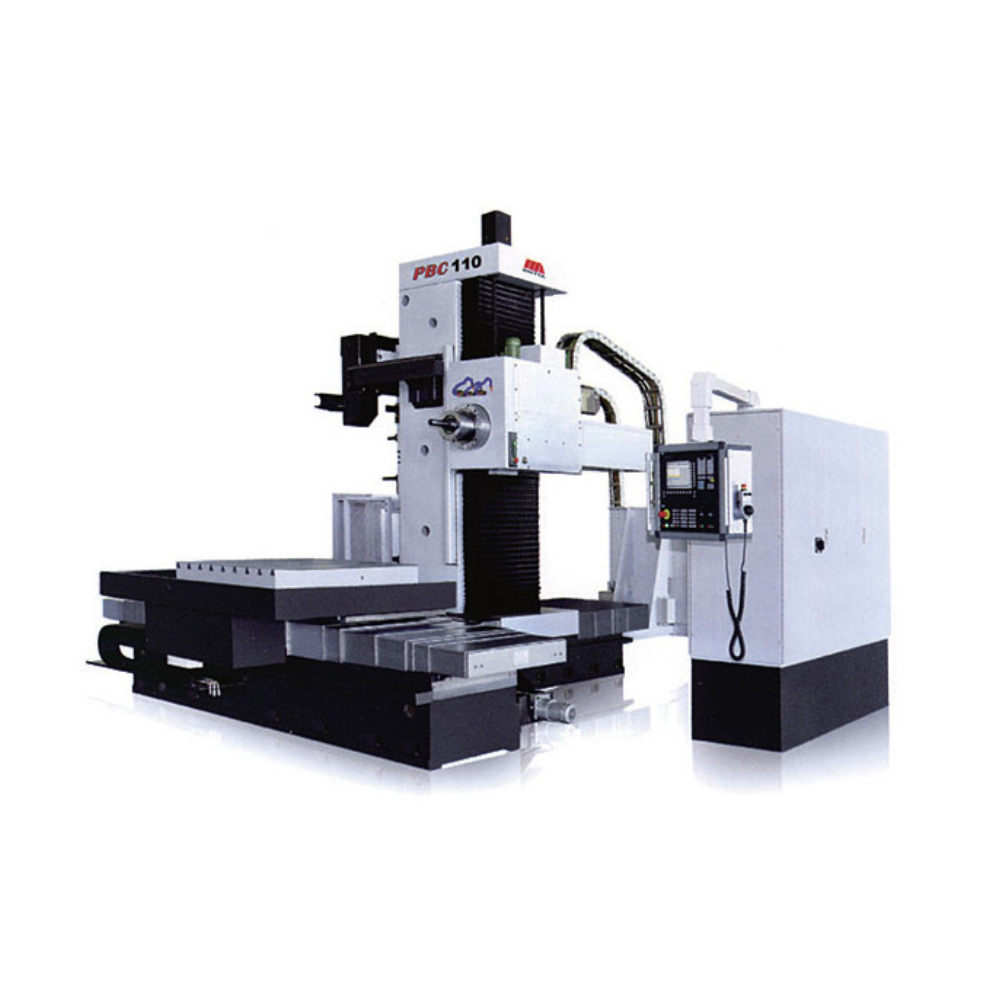
Why boring machine repair matters in production environments
Boring machines are typically used where hole accuracy, concentricity, and machining rigidity are critical. In this type of application, even a small deviation in spindle condition, feed movement, or table positioning can lead to rejected parts, inconsistent finishes, and longer setup times. Repair work is therefore not just about fixing a breakdown; it is about recovering machining accuracy and process stability.
Compared with general-purpose machine tools, boring equipment often operates under demanding load and precision requirements. Wear in guideways, backlash in drive elements, thermal influence, or looseness in structural components can gradually reduce performance. A proper repair approach helps identify the real root cause rather than only addressing the visible symptom.
Common signs that a boring machine needs repair
In many facilities, machine condition declines gradually before a major stoppage occurs. Early indicators may include unusual vibration, spindle noise, irregular feed movement, poor hole geometry, inconsistent repeatability, or excessive heat during operation. Operators may also notice difficulty holding tolerance, unstable cutting results, or increasing dependence on compensation during setup.
These symptoms can point to problems in several areas, including the spindle system, bearings, feed mechanisms, alignment, lubrication circuits, or electrical control components. When such issues are left unresolved, they can accelerate wear on tooling and increase the likelihood of damage to adjacent assemblies. A focused fault diagnosis is therefore a key first step in any repair service.
Typical scope of a boring machine repair service
The exact repair scope depends on machine condition, operating history, and the nature of the failure. In practice, service work may involve inspection of spindle performance, checking mechanical transmission elements, verifying table and axis movement, assessing backlash, reviewing lubrication effectiveness, and examining the electrical system for faults that affect machine response or safety.
Where needed, repair activities can also include replacement of worn components, correction of looseness, adjustment of motion systems, and restoration of basic operating reliability. For production users, the main objective is usually to recover functional performance in a way that supports normal machining work, stable output, and safer long-term operation.
Mechanical, electrical, and alignment-related issues
Boring machine failures are rarely limited to a single subsystem. Mechanical deterioration may appear as bearing wear, guideway damage, feed irregularity, or structural play. Electrical issues can involve motor response, control signals, sensors, wiring degradation, or intermittent faults that make troubleshooting more difficult. In many cases, a machine may also suffer from a combination of wear and control-related instability.
Alignment is another critical factor. If the machine loses geometric integrity, the result may be poor bore straightness, concentricity errors, or inconsistent dimensional results from one setup to the next. This is why repair work often needs to consider both the immediate damaged part and the wider relationship between spindle, table, feed motion, and machine structure.
Choosing the right repair approach
For B2B users, selecting a repair service is usually less about generic maintenance and more about matching service capability to production requirements. A useful evaluation starts with the machine’s role in the process: tolerance expectations, duty cycle, type of workpiece, and the cost of downtime. From there, it becomes easier to determine whether the priority is urgent recovery, repeat-failure investigation, or broader restoration of machine condition.
It is also helpful to look for a service process that includes clear inspection logic, practical fault isolation, and attention to the machine’s operating context. A boring machine used in precision metalworking will not have the same repair priorities as equipment used in heavier or lower-precision work. When related machinery also requires support, businesses may review adjacent services such as cutting machine repair or shear machine repair to keep the wider production line reliable.
Repair service within a broader machinery maintenance strategy
In many factories, boring machines do not operate in isolation. They are part of a broader machining or fabrication workflow where the condition of each machine influences scheduling, quality control, and output planning. Treating repair as part of a wider maintenance strategy can help reduce repeated stoppages and improve overall equipment availability.
For example, facilities that run pressing or forming equipment alongside machining operations may also need support for mechanical power presser repair or hydraulic stamping machine service. Looking at repair needs across multiple machine types can make maintenance planning more consistent and reduce operational disruption over time.
When to request service before failure becomes critical
Waiting for a complete machine stoppage is rarely the most efficient option. If operators are already seeing accuracy drift, unstable machining behavior, recurring alarms, or abnormal sound and vibration, it is often more cost-effective to assess the machine before secondary damage develops. Early intervention can limit the repair scope and support a faster return to service.
This is especially important when the machine is tied to tight delivery schedules or high-value workpieces. A boring machine that is still running but no longer performing consistently may be creating hidden production losses through scrap, rework, and longer cycle times. Repair service at that stage helps address the problem before it expands into a larger quality or scheduling issue.
Support stable performance with timely boring machine repair
A well-planned repair process helps restore the practical capabilities that matter most in production: accuracy, repeatability, motion stability, and reliable operation. For businesses using boring equipment in precision manufacturing, maintenance decisions should be based not only on whether the machine runs, but on whether it continues to perform to the level the process demands.
If your equipment is showing signs of wear, instability, or declining machining quality, this category provides a relevant starting point for evaluating industrial machine repair needs. Timely service can help extend machine usability, reduce avoidable downtime, and support more consistent production results.
-
-
-
-
-
-
-
-
-
-
-
-
-
-
-
-
-
-
-
-
-
-
-
-