

Magnetic Field Meter Repair Service
Accurate magnetic field measurement depends on instrument stability, sensor integrity, and dependable signal processing. When a gaussmeter, magnetometer, or electromagnetic field meter starts drifting, responding slowly, or showing inconsistent readings, repair work becomes important not only for the device itself, but also for the quality of maintenance, testing, and inspection processes built around it.
Magnetic Field Meter Repair Service is intended for organizations that rely on field measurement equipment in laboratories, industrial troubleshooting, electronics environments, and technical service operations. The goal is to restore reliable operation, identify faults that affect measurement behavior, and help extend the useful life of specialized instruments that may be difficult to replace quickly.
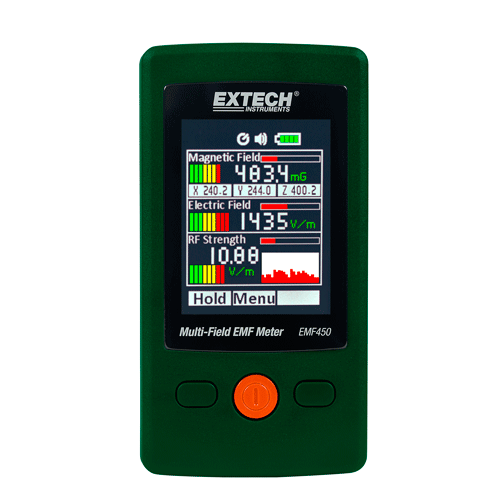
Why magnetic field meter repair matters
Magnetic field meters are used to evaluate electromagnetic environments, verify equipment conditions, and support diagnostics where field strength is a relevant parameter. In practice, even small issues such as unstable sensing, damaged connectors, display faults, power problems, or calibration drift can reduce confidence in the measurement result.
For B2B users, this is more than a convenience issue. A faulty meter can interrupt maintenance workflows, slow verification tasks, and create uncertainty during inspections. Repair service helps bring the instrument back to a usable condition so teams can continue working with more consistent and traceable measurement behavior.
Common issues seen in field measurement instruments
Magnetic and electromagnetic field meters can fail in several ways depending on design, usage conditions, and age. Portable instruments are often exposed to transport stress, accidental drops, battery leakage, cable damage, and environmental factors that affect the sensing path or internal electronics.
Typical service cases may involve display malfunction, keys that no longer respond properly, intermittent readings, abnormal zero behavior, unstable measurement output, charging or power-up failures, or communication issues where supported. In some cases, the root cause is electronic; in others, it can be related to the probe, sensor assembly, or internal wiring that directly influences measurement performance.
Organizations managing a wider fleet of electrical test tools may also need related support for instruments such as multimeter repair or clamp meter repair, especially when preventive maintenance is handled across multiple device types.
Supported brands and representative service cases
This category covers repair needs for instruments from a range of recognized manufacturers used in technical measurement and EMF-related applications. Examples include equipment from HIOKI, AARONIA, EXTECH, METRIX, PCE, LUTRON, NOVOTEST, TENMARS, and EMCTD.
Representative service entries in this category include Hioki HiTester Magnetic Field Repair Services, Metrix Electric Field Meter Repair Services, Aaronia EMF Spectrum Analyzer Repair Services, Tenmars Magnetic Field Meter Repair Services, Extech Magnetic Field Meter Repair Services, PCE Magnetic Field Meter Repair Services, Lutron Electromagnetic Field Meter Repair Services, and Novotest Magnetometer Repair Services. These examples show the breadth of instruments that may require attention, from portable magnetic field meters to more specialized EMF and spectrum analysis equipment.
Because different product families use different sensing and processing architectures, repair requirements can vary significantly by brand and instrument type. That is why service evaluation typically focuses on actual symptoms, instrument condition, and the practical repairability of the unit rather than assuming a one-size-fits-all approach.
What to evaluate before sending a unit for repair
Before arranging service, it helps to document the instrument’s behavior as clearly as possible. Useful information includes whether the meter powers on, whether the reading is obviously unstable, whether the problem started after impact or storage, and whether the issue appears in all ranges or only under certain operating conditions.
It is also helpful to identify whether the issue involves the main unit, the sensor, accessories, or charging components. A concise fault description can shorten inspection time and make the repair process more efficient. For teams handling multiple service requests, recording asset ID, model name, operating history, and application context can also support better maintenance planning.
How repair service fits into maintenance and compliance workflows
In many industrial and technical environments, field meters are not standalone tools; they are part of a broader inspection and verification process. A repaired instrument may need to return to use in equipment maintenance, EMC-related investigation, lab support, or facility checks where dependable readings are necessary for decision-making.
That is why repair is often considered together with routine verification, condition assessment, and instrument lifecycle management. If your operation also depends on other specialized electrical testers, related service categories such as multifunction electrical installations meter repair may be relevant when maintaining a complete test equipment inventory.
For users working with brand-specific equipment portfolios, it can also be useful to review available support around AARONIA instruments when EMF and spectrum analysis devices are part of the same workflow.
Choosing the right repair path for magnetic field meters
The most suitable service path depends on the instrument’s role, its current condition, and the cost of downtime compared with replacement. For specialized or higher-value devices, repair can be a practical option when the instrument remains important to existing procedures, operator familiarity, or application-specific measurement routines.
It is also important to distinguish between basic functional issues and faults that may influence actual measurement reliability. A meter that turns on is not necessarily ready for use in technical work if sensor response or reading consistency is compromised. In these cases, fault diagnosis and restoration of normal operation are more important than cosmetic fixes.
When evaluating repair, buyers typically consider turnaround expectations, serviceability of older models, and whether the device still fits current operational needs after restoration. This makes repair planning part of a wider asset management decision, especially for teams responsible for multiple instrument categories.
When repair is especially worthwhile
Repair tends to be most valuable when the meter is part of an established workflow, replacement lead time is uncertain, or the instrument is used for recurring technical checks where staff already understand its interface and behavior. This is often the case with portable meters used by maintenance technicians, service engineers, and inspection teams.
It is also worthwhile when the device belongs to a specialized product line such as a magnetometer, an EMF spectrum analyzer, or a dedicated magnetic field meter that serves a narrower measurement task than a general-purpose electrical tester. In these situations, restoring an existing unit may be more efficient than sourcing and validating an alternative platform.
Final considerations
A dependable magnetic field meter supports better diagnostics, more confident inspections, and smoother day-to-day technical work. When readings become unreliable or hardware issues interrupt operation, a focused repair service can help restore practical usability and reduce unnecessary equipment replacement.
This category is designed for businesses looking for support with magnetic, electromagnetic, and related field measurement instruments across multiple brands and device types. If you are assessing a faulty unit, a clear description of the symptom, instrument condition, and application context is the best starting point for deciding the most appropriate repair route.
-
-
-
-
-
-
-
-
-
-
-
-
-
-
-
-
-
-
-
-
-
-
-
-