

Coating Thickness Meter Inspection Service
When coating thickness data is used to accept incoming materials, verify corrosion protection, or document process quality, confidence in the meter is just as important as the reading itself. A professional Coating Thickness Meter Inspection Service helps confirm that the instrument is functioning correctly and remains suitable for routine measurement work in industrial, laboratory, and field environments.
This service category is relevant for companies that rely on coating thickness meters to monitor paint, plating, anodizing, powder coating, or other protective layers on metallic substrates. Regular inspection supports measurement consistency, reduces uncertainty in quality checks, and helps identify devices that may require adjustment, maintenance, or further evaluation before they are returned to use.
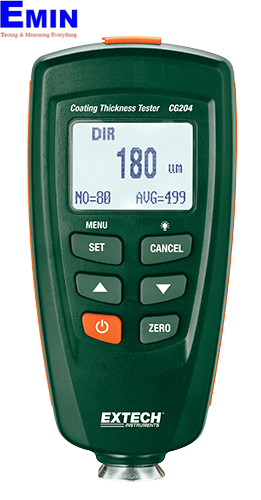
Why coating thickness meter inspection matters
In many production and maintenance workflows, coating thickness is a critical parameter tied to product durability, appearance, and compliance with internal quality standards. If a meter drifts over time, suffers mechanical wear, or is affected by handling conditions, even small reading errors can influence pass/fail decisions and create unnecessary rework.
An inspection service is useful not only when a meter appears faulty, but also as part of a preventive quality program. It gives users a clearer picture of instrument condition, helping maintenance teams, QA departments, and laboratories manage assets more effectively across repeated measurement cycles.
What this service typically supports
A coating thickness meter is commonly used to assess non-destructive coating thickness on metal surfaces in sectors such as metal fabrication, automotive components, industrial painting, marine maintenance, and general manufacturing. Because these instruments are often used in varied conditions, from shop floors to site inspections, periodic verification of their condition is a practical requirement.
This category focuses on inspection services for coating thickness meters from widely used brands such as DEFELSKO, ELCOMETER, EXTECH, and PCE. Typical service references in this category include the DEFELSKO Coating Thickness Meter Inspection Service, ELCOMETER Coating Thickness Meter Inspection Service, EXTECH Coating Thickness Meter Inspection Service, and PCE Coating Thickness Meter Inspection Service.
When to consider an inspection service
Many organizations send instruments for inspection on a scheduled basis, but there are also clear operational situations where service should be considered sooner. This is especially relevant after heavy field use, unexpected drops, unstable readings, or when measurement results no longer align with known standards or process expectations.
- Before major audits or customer quality reviews
- After impact, rough handling, or suspected sensor damage
- When readings appear inconsistent across similar test points
- After long storage periods before returning equipment to service
- As part of periodic quality assurance for production measurement tools
For companies managing multiple specialized instruments, it can also be helpful to review related service categories such as laser power meter inspection service when building a broader inspection workflow.
Common applications behind the service need
Demand for this service usually comes from practical measurement tasks rather than from the instrument alone. Coating thickness meters are often used to check painted steel parts, plated components, coated pipelines, fabricated structures, tanks, machinery surfaces, and finished assemblies where coating performance directly affects corrosion resistance and service life.
In these environments, measurement reliability supports traceable decision-making. A verified meter helps teams compare batches, monitor supplier quality, document maintenance work, and reduce disputes caused by questionable field readings. This is particularly valuable where coating specifications are tightly controlled or where re-inspection costs are high.
How to choose the right service path
The most suitable inspection route often depends on the instrument brand, its usage history, and the role it plays in your process. If your operation standardizes on a specific manufacturer, it is often practical to align service planning with that installed base, whether your meter is from EXTECH or other established brands in this category.
It is also important to distinguish between inspection, calibration, and repair-related needs. An inspection service is generally used to evaluate instrument condition and performance status, while calibration and repair may be separate follow-up actions depending on the findings. For users responsible for a wider portfolio of specialty measuring devices, related categories such as compressed air and gases tester inspection service can provide additional context for cross-equipment service planning.
Brand coverage in this category
This category highlights service options associated with well-known manufacturers including DEFELSKO, ELCOMETER, EXTECH, and PCE. These brands are commonly selected in industrial coating inspection workflows, and referencing the correct service path helps buyers and maintenance coordinators match support activity to the instrument they actually use.
Rather than treating all devices as interchangeable, it is better to choose a service entry that reflects the meter family or brand context already present in your facility. That approach makes service tracking easier and improves clarity for procurement teams handling multiple instrument types across several departments.
Who benefits from regular inspection
Quality control teams, maintenance departments, third-party inspection providers, metal finishing operations, and asset-intensive industrial sites can all benefit from regular meter inspection. Any process that depends on repeatable coating measurements will be more robust when instrument condition is reviewed on a planned basis instead of only after a problem appears.
For B2B buyers, this service category is also useful as a procurement reference point. It helps organize instrument support by application and brand, making it easier to route service requests, standardize maintenance intervals, and reduce downtime caused by uncertain measurement equipment.
Support more consistent coating measurement decisions
Choosing the right inspection service for a coating thickness meter is ultimately about protecting measurement confidence. Whether the device is used for incoming inspection, in-process quality checks, or field verification, routine inspection helps ensure the meter remains a reliable part of your workflow.
If your team depends on coating thickness data to make production, maintenance, or acceptance decisions, this category provides a focused starting point for service selection across recognized instrument brands. A well-managed inspection schedule can improve equipment oversight, support consistent results, and reduce risk in day-to-day quality operations.
-
-
-
-
-
-
-
-
-
-
-
-
-
-
-
-
-
-
-
-
-
-
-
-