

Adhesion Tester Inspection Service
Reliable pull-off adhesion measurements depend not only on the tester itself, but also on the condition of its mechanical and measuring components over time. In coating inspection, surface preparation, paint application, and protective treatment workflows, an adhesion tester that is out of tolerance can lead to inconsistent acceptance decisions, unnecessary rework, or uncertainty in quality records. A dedicated Adhesion Tester Inspection Service helps verify that the instrument remains suitable for routine field or laboratory use.
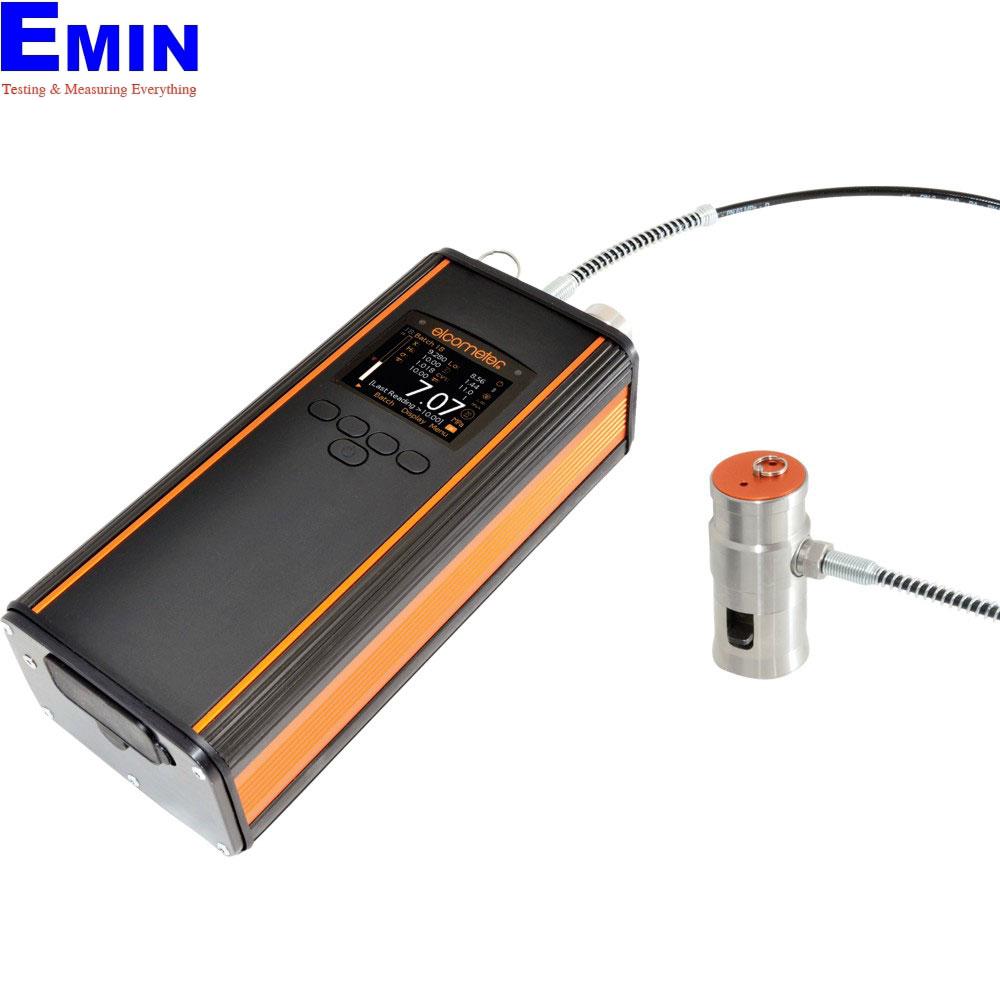
Why adhesion tester inspection matters
Adhesion testers are commonly used to evaluate how strongly a coating or bonded layer adheres to its substrate. Because these instruments are involved in pass/fail decisions, maintenance planning, and coating quality documentation, their condition has a direct effect on confidence in the test result. Inspection is especially relevant when the device is used regularly in industrial environments where transport, repeated loading, and general wear can affect performance.
An inspection service typically supports users who need to confirm that the instrument is operating correctly, identify visible or functional issues, and reduce the risk of unreliable readings. For companies working under controlled quality procedures, periodic inspection also contributes to better traceability across inspection and maintenance activities.
Typical equipment covered in this category
This category is intended for inspection services related to adhesion testers from widely used manufacturers such as DEFELSKO, ELCOMETER, and PCE. Example services in this range include DEFELSKO Adhesion Tester Inspection Service, ELCOMETER Adhesion Tester Inspection Service, and PCE Adhesion Tester Inspection Service. These references help illustrate the scope of supported equipment without limiting the category to only one model family or one style of use.
In practice, adhesion testers may be used by coating inspectors, corrosion control teams, maintenance contractors, fabrication shops, and QA departments. The inspection process is valuable wherever measurement consistency is important, whether the instrument is deployed on-site, in a plant environment, or as part of a broader coating control program.
What users usually expect from an inspection service
A professional inspection service for an adhesion tester is generally focused on evaluating instrument condition, confirming proper operation, and identifying issues that may affect measurement reliability. This can include checks of the instrument body, loading mechanism, display or readout behavior, connectors, accessories involved in testing, and overall functional response. The exact scope can vary by instrument design, but the purpose remains the same: to determine whether the tester is fit for continued use.
For many organizations, inspection is also part of a broader asset care strategy. Instead of waiting until a device fails in the field, routine verification helps detect problems earlier and supports planning for maintenance, service scheduling, or replacement when needed. This is particularly useful when adhesion testing is linked to contractual quality requirements or internal inspection procedures.
When to consider inspection for an adhesion tester
There are several common situations where inspection becomes a practical next step. One is after frequent field use, especially when the instrument has been transported between job sites or used in demanding environments. Another is when operators notice inconsistent readings, unusual mechanical behavior, or signs of wear that could affect the test sequence.
Inspection is also worth considering after long storage, before critical coating acceptance work, or as part of a scheduled quality program. If your organization also manages other coating-related instruments, pairing this service with a coating thickness meter inspection service can help keep the broader inspection workflow aligned.
How this service supports coating quality control
Adhesion testing is rarely performed in isolation. In many applications, it is one step within a larger inspection sequence that may include surface assessment, thickness verification, curing checks, and final documentation. Keeping the adhesion tester in proper operating condition supports more dependable decision-making throughout that process.
For teams that work across multiple specialty instruments, consistent inspection practices can improve efficiency and reduce uncertainty between measurement stages. Depending on the application, related services such as color assessment cabinet inspection service or compressed air and gases tester inspection service may also be relevant in broader quality assurance programs.
Brand coverage and service context
Many buyers search by instrument brand first, especially when they already use established product lines in the field. This category therefore highlights service options associated with manufacturers such as DEFELSKO, ELCOMETER, and PCE. Referring to these brands helps users quickly identify suitable service pathways while keeping the focus on the condition and usability of the instrument rather than on sales-oriented product claims.
Because different manufacturers may use different test mechanisms, interfaces, or accessory layouts, service selection should always reflect the actual instrument in use. The goal is not simply to send equipment in for a routine check, but to make sure the inspection context matches the tester type and the way it is used in real coating inspection work.
Choosing the right service for your equipment
When selecting an adhesion tester inspection option, it is helpful to start with the manufacturer, service reference, and the role the instrument plays in your process. If the tester is used for routine incoming inspection, production QA, or final acceptance of protective coatings, minimizing uncertainty is especially important. A well-matched service helps maintain confidence in the instrument and supports cleaner documentation for internal or customer-facing quality records.
It is also sensible to review service timing alongside your wider equipment management plan. Instruments that see regular use, travel frequently, or contribute to compliance-driven reporting often benefit most from periodic inspection. This category is designed to help buyers locate the relevant service path quickly for commonly used adhesion tester brands and applications.
Conclusion
Maintaining confidence in adhesion test results starts with confidence in the instrument itself. An Adhesion Tester Inspection Service is a practical way to verify equipment condition, support repeatable coating assessment, and reduce the risk of questionable measurements in day-to-day operations. Whether you use DEFELSKO, ELCOMETER, or PCE equipment, choosing an appropriate inspection service can help keep your testing workflow dependable and easier to manage over time.
-
-
-
-
-
-
-
-
-
-
-
-
-
-
-
-
-
-
-
-
-
-
-
-