

Surface Resistivity Tester Inspection Service
Reliable concrete durability assessment depends not only on the instrument itself, but also on whether it is functioning correctly in the field and in the lab. When a resistivity meter starts drifting, gives unstable readings, or no longer responds as expected, inspection becomes an important step in maintaining confidence in testing results. That is where Surface Resistivity Tester Inspection Service supports maintenance, troubleshooting, and routine quality control for concrete testing equipment.
This service is relevant for contractors, inspection teams, laboratories, universities, and civil engineering professionals who use surface resistivity measurements to evaluate concrete condition and related durability indicators. Whether the equipment is used frequently on active sites or periodically for verification work, a structured inspection process helps identify issues before they affect reporting, comparison of test results, or day-to-day usability.
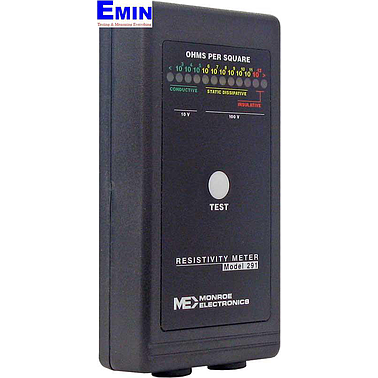
Why inspection matters for surface resistivity testing equipment
Surface resistivity testing is commonly used as part of concrete evaluation workflows, especially where consistency of electrical measurement is important to the overall testing program. If the instrument condition is uncertain, users may face problems such as inconsistent contact behavior, unstable measurements, response anomalies, or concerns about whether the device is still suitable for routine use.
An inspection service helps review the instrument’s general condition and operational status so users can better understand whether maintenance, follow-up service, or further action may be needed. In practice, this is valuable for organizations that must keep test equipment ready for project work, internal QA procedures, or periodic technical review.
Typical situations where this service is useful
This category is designed for users who need an inspection of a resistivity tester used on concrete structures, samples, or related materials. It can be relevant after extended field use, after transport between job sites, when readings appear different from expected behavior, or when equipment has been stored for a long period and needs to be checked before returning to service.
Inspection is also useful when a team manages multiple concrete test instruments and wants a more organized maintenance approach. In many cases, resistivity measurement does not stand alone; it is part of a broader inspection ecosystem that may also include concrete test hammer inspection service or concrete ultrasonic detector inspection service for wider condition assessment workflows.
Equipment covered in this category
This category specifically relates to inspection support for surface resistivity testers, including representative equipment such as the Proceq Resipod Resistivity Meter Inspection Service. The focus is not simply on listing instruments, but on supporting users who rely on this type of device in concrete testing and need a practical service pathway when performance concerns arise.
Where appropriate, users working with instruments from PROCEQ can use this category as a starting point for brand-relevant service needs. This is especially helpful when teams want to align equipment maintenance with the manufacturer ecosystem they already use across inspection or material testing activities.
What an inspection service helps you verify
For this type of instrument, inspection generally helps determine whether the tester appears to be operating normally and whether there are visible or functional signs that need attention. That may include review of overall instrument condition, response behavior during operation, and basic serviceability from the user’s practical point of view.
For B2B buyers and technical teams, the main value lies in reducing uncertainty. Instead of continuing to use a questionable device in active testing programs, an inspection provides a clearer basis for deciding on next steps, such as continued use, maintenance planning, or broader equipment review alongside related services like rebar corrosion detection inspection service.
How this category fits into concrete durability and condition assessment workflows
Surface resistivity measurement is often associated with concrete quality evaluation, durability studies, and comparative testing programs. Because of that, the condition of the instrument can influence how confidently a team interprets repeat measurements over time, across locations, or between different specimens and structures.
In many organizations, this service sits alongside other inspection and verification needs for non-destructive and semi-non-destructive concrete testing tools. For example, users who assess transport-related behavior of concrete or moisture-related performance may also review support options such as permeability tester inspection service when building a more complete maintenance program.
Choosing the right inspection service for your equipment
When selecting a service category, it helps to match the request to the exact instrument function rather than using a generic concrete tester service. A dedicated inspection category for resistivity meters is more suitable when the main concern relates to electrical measurement behavior, instrument condition, or operational reliability of a surface resistivity device.
It is also useful to prepare the instrument details in advance, including the model name, visible symptoms, and a short description of the issue observed during use. Clear information helps streamline the service process and makes it easier to determine whether the request aligns with this category or with another concrete testing instrument inspection path.
A practical service option for maintaining confidence in measurements
When surface resistivity data is part of your testing workflow, equipment condition should not be treated as an afterthought. A structured inspection can help users identify problems early, support better maintenance decisions, and reduce the risk of relying on uncertain readings in project or laboratory work.
If your team uses resistivity meters for concrete assessment, this category provides a focused route for reviewing instrument condition in a professional service context. It is a sensible choice for organizations that want to keep testing equipment dependable, easier to manage, and better aligned with ongoing quality requirements.
-
-
-
-
-
-
-
-
-
-
-
-
-
-
-
-
-
-
-
-
-
-
-
-